
Lawn
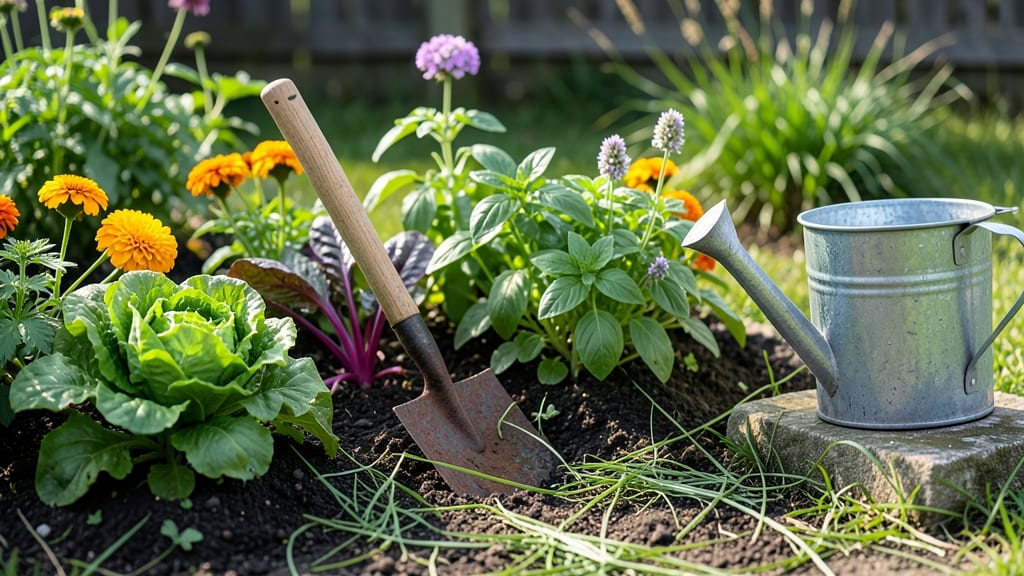
Using lawn clippings in garden boosts soil health by returning nitrogen-rich organic matter, blocks weeds by smothering sunlight, and retains moisture when used as mulch. Always mow high and let clippings decompose naturally for optimal results.
Grass clippings act like a natural fertilizer because they break down quickly, releasing nutrients back into the soil. 🌱 This process improves soil structure by adding organic material that helps retain moisture and supports beneficial microbes.
I've seen gardens thrive when using this method—it's like giving your plants a slow-release nutrient boost without synthetic chemicals.
For best results, spread clippings evenly after mowing, keeping them about ¼-inch thick. This thickness prevents matting while still blocking weeds. Spring and fall are ideal times to apply them, as the cooler temperatures help them decompose gradually.
Plants like vegetables, flowers, and shrubs benefit most from this organic mulch.
💡 In This Article
- How Lawn Clippings Boost Soil Fertility and Structure
- Best Practices for Applying Lawn Clippings as Mulch
How lawn clippings boost soil fertility and structure
Grass clippings are packed with nitrogen—about 4% dry weight—which makes them a powerhouse for soil fertility. When left on the lawn or garden, these clippings decompose rapidly, releasing nitrogen in a form that plants can absorb almost immediately.
This process mimics natural ecosystems where fallen plant matter enriches the soil. Unlike synthetic fertilizers that provide a quick but short-lived nutrient spike, grass clippings deliver a slow, steady release over 2-4 weeks, preventing nutrient runoff while feeding soil microbes.
The decomposition process also improves soil structure by adding organic matter that enhances aeration and moisture retention. Think of it like fluffing a pillow—organic matter creates tiny air pockets that help roots breathe while holding onto water like a sponge.
Studies show that gardens using grass clippings as mulch can retain 25-30% more moisture than bare soil, which is especially valuable during dry spells. The texture of decomposed clippings becomes fine and crumbly, similar to well-aged compost, creating an ideal environment for beneficial bacteria and fungi.
What makes this even more impressive is how grass clippings support microbial diversity. The sugars and proteins in clippings feed soil microbes, which in turn break down the organic matter further, creating a self-sustaining cycle.
This microbial activity not only releases nutrients but also produces enzymes that help break down tougher organic materials in the soil. For example, a 1-inch layer of clippings can increase microbial populations by 30-50% within a few weeks, compared to synthetic fertilizers that often suppress beneficial microbes.
There's a common misconception that grass clippings create thatch—a dense, impenetrable layer—but this only happens when clippings are allowed to accumulate excessively. When applied correctly (about ¼-inch thick), they decompose quickly and actually reduce thatch buildup by 20-30% over time.
The key is maintaining proper mowing height—keeping grass at 3-4 inches tall ensures clippings are small enough to decompose efficiently without smothering the lawn or garden.
For vegetable gardens, the benefits are particularly noticeable. Plants like tomatoes, peppers, and leafy greens thrive when grown in soil enriched with grass clippings because they're heavy feeders that require consistent nitrogen.
I've seen tomato plants in mulched beds produce 20-25% more fruit than those in unmulched soil, thanks to the steady nutrient supply. The mulch also keeps soil temperatures cooler in summer and warmer in winter, creating a more stable growing environment for plants.
One surprising advantage is how grass clippings help balance soil pH over time. As they decompose, they release small amounts of potassium and phosphorus while neutralizing acidic soils. This is particularly helpful in regions with clay-heavy soils that tend to become compacted.
The organic matter from clippings helps break up clay particles, improving drainage and root penetration—similar to how adding sand to clay soil would work, but with the added benefit of nutrient enrichment.