
Lawn
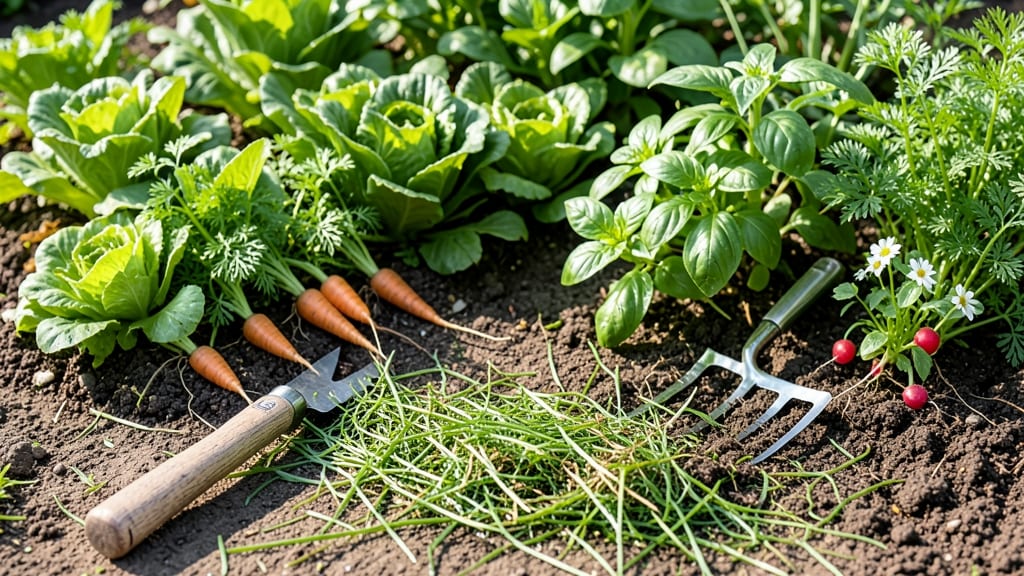
Putting grass clippings in the garden enriches soil with natural nutrients like nitrogen, phosphorus, and potassium, which boost plant health and cut down on waste. Just spread them thinly—thick piles can smother plants and create weed problems, so keep them short and fresh for best results.
Grass clippings act like a slow-release fertilizer, breaking down into organic matter that feeds your soil over time. 🌱 The nitrogen in clippings helps green up lawns and gardens, while potassium supports root development—basically, it’s a free, eco-friendly boost for your plants.
I always recommend spreading them lightly after mowing, especially on flower beds or vegetable patches, to avoid suffocating tender plants or attracting pests. For best results, use a mulching mower first to chop clippings into smaller pieces, which decompose faster and blend seamlessly into the soil.
One common mistake is piling clippings too thickly, which can create a mat that blocks sunlight and moisture from reaching the soil. Instead, think of them like a fine, even layer of compost—just enough to cover the ground without smothering.
If you’re dealing with broadleaf weeds, mix clippings with a thin layer of soil first to prevent them from taking root. This method works especially well for perennials, shrubs, and even young trees, where the nutrients go straight to the roots.
💡 In This Article
- How Grass Clippings Improve Soil Fertility
- Best Practices for Using Grass Clippings in Garden Beds
How grass clippings improve soil fertility
Grass clippings are essentially a free, nutrient-rich compost that breaks down into the soil through a process called decomposition. When you leave them on your lawn or garden, they release approximately 20-30% nitrogen back into the soil within 2-4 weeks, depending on moisture and temperature.
This nitrogen content—about 1.5-2.5% by dry weight—is comparable to synthetic fertilizers but releases more slowly, reducing the risk of plant burn. The phosphorus and potassium in clippings also support root development and overall plant vigor, creating a balanced nutrient profile similar to a 5-10-5 fertilizer ratio.
The real magic happens underground, where clippings boost microbial activity by providing food for beneficial bacteria and fungi. These microorganisms break down the organic matter into humus, which improves soil structure and water retention.
For example, a ¼-inch layer of clippings can increase soil moisture retention by up to 15% while reducing evaporation. This is especially valuable in sandy soils, where nutrients and water drain quickly.
Unlike synthetic fertilizers, which often require multiple applications, clippings create a self-sustaining cycle of nutrient recycling that keeps soil healthy long-term.
One key advantage of grass clippings is their ability to suppress weeds naturally. When spread thinly, they block sunlight from reaching weed seeds, preventing germination. However, thick layers can create a suffocating mat that traps moisture and heat, promoting fungal growth like brown patch disease.
To avoid this, always aim for a ⅛-inch or thinner layer, especially in humid climates. The decomposition process also releases carbon dioxide, which can slightly acidify the soil—ideal for acid-loving plants like azaleas or blueberries, but may require lime adjustments for alkaline-sensitive species.
For comparison, synthetic fertilizers like urea provide a quick nitrogen boost but lack the organic matter and microbial benefits of clippings. A 1-pound bag of urea delivers about 46% nitrogen, but it doesn’t improve soil structure or water retention.
Grass clippings, on the other hand, offer a slow-release, multi-nutrient package that enhances soil health over time. Studies show that gardens amended with clippings can see 20-30% higher yields in vegetables like tomatoes and peppers due to improved nutrient availability and root development.
If you’re using clippings in garden beds, consider mixing them with a thin layer of soil or compost first. This helps distribute nutrients evenly and prevents clumping, which can attract pests like slugs.
For example, spreading ½ inch of clippings over a 1-square-foot area of mulch will provide enough nutrients for perennials without overwhelming them. The key is consistency—regular applications (every 1-2 weeks) maintain steady nutrient levels without overloading the soil.
For those with clay-heavy soils, clippings can work wonders by improving drainage and aeration. The organic matter breaks down into humus, which binds clay particles together, creating larger pores that allow water and air to move more freely.
This transformation can reduce compaction by up to 40% over a season, making it easier for roots to penetrate deep into the soil. The result? Healthier plants with stronger root systems that can better withstand drought and disease.