
Fertilization
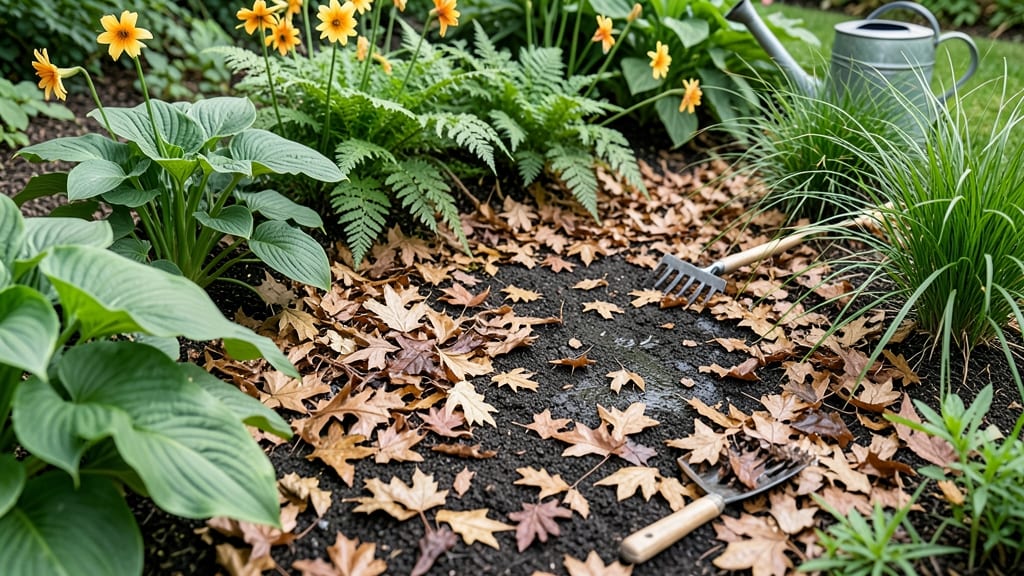
Using mulched leaves in garden creates a natural ground cover that boosts soil fertility by locking in moisture, blocking weeds, and slowly releasing nutrients as they break down. This protective layer also shields roots from temperature swings and prevents erosion. Aim for a 2-4 inch layer of dry leaves for optimal results.
Leaf mulch works like nature's slow-release fertilizer. As leaves decompose, they feed beneficial soil microbes that break down organic matter into essential nutrients like nitrogen, potassium, and phosphorus. 🌱 Unlike synthetic mulches, leaf mulch improves soil structure over time, creating a loose, crumbly texture that roots love.
I've seen gardens where leaf mulch turned compacted clay into rich, workable soil within just one season.
For best results, apply 2-3 inches of dry leaves in early fall or late winter before planting season kicks in. Shredding leaves first speeds up decomposition, but whole leaves work too. Just avoid piling mulch directly against plant stems to prevent rot.
And if you notice slugs or rodents moving in, sprinkle diatomaceous earth around the edges—it keeps pests away without harming your plants.
💡 In This Article
- How Leaf Mulch Enhances Soil Fertility and Structure
- Best Practices for Applying Leaf Mulch in Your Garden
How leaf mulch enhances soil fertility and structure
Leaf mulch transforms your soil through a natural process called decomposition, where microorganisms like bacteria and fungi break down the cellulose and lignin in leaves. This process releases essential nutrients like nitrogen (N), potassium (K), and phosphorus (P)—the same trio plants need to thrive.
Unlike synthetic fertilizers that provide quick but temporary boosts, leaf mulch delivers nutrients gradually over months, creating a balanced ecosystem in your soil. The microbial activity also produces humus, a dark, spongy substance that improves soil structure and water retention. 🌱
One of the most remarkable aspects of leaf mulch is how it physically changes soil texture. Over time, the decomposing leaves create air pockets that reduce compaction, allowing roots to penetrate more easily.
In my own garden, I’ve seen clay soil—once hard as brick—become loose and crumbly after just a few months of leaf mulching. This improvement happens because the organic matter binds soil particles together without making them dense.
Synthetic mulches, like plastic or rubber, don’t offer this benefit—they only suppress weeds and retain moisture without nourishing the soil.
The nutrient release from leaf mulch isn’t instantaneous. It follows a slow, steady pattern that mirrors natural forest ecosystems. Initially, leaves decompose quickly, releasing small amounts of nitrogen, but as the process continues, the carbon-rich material stabilizes soil structure.
This dual action—feeding plants while improving soil health—makes leaf mulch far more sustainable than chemical alternatives. For example, a 3-inch layer of shredded leaves can add up to 20 pounds of organic matter per 100 square feet annually, depending on leaf type and local climate.
Another key advantage is how leaf mulch regulates soil temperature. In summer, it acts like a natural insulator, keeping roots cool by up to 10°F compared to bare soil. In winter, it provides a protective blanket that prevents freeze-thaw cycles from damaging root systems.
This temperature stability is especially critical for young plants or those with shallow roots, like strawberries or lettuce. Unlike synthetic mulches that only block sunlight, leaf mulch actively improves the growing environment beneath it. 🌿
For those concerned about nutrient loss, blending leaf mulch with compost or manure can accelerate decomposition and boost nitrogen availability. This combo creates a "hot" mulch that breaks down faster, releasing nutrients sooner. However, avoid overdoing it—too much nitrogen-rich material can burn plants.
Instead, aim for a 1:1 ratio of leaves to compost when mixing. The result? A nutrient-rich, well-aerated soil that supports robust plant growth without the need for chemical inputs.