
Tools
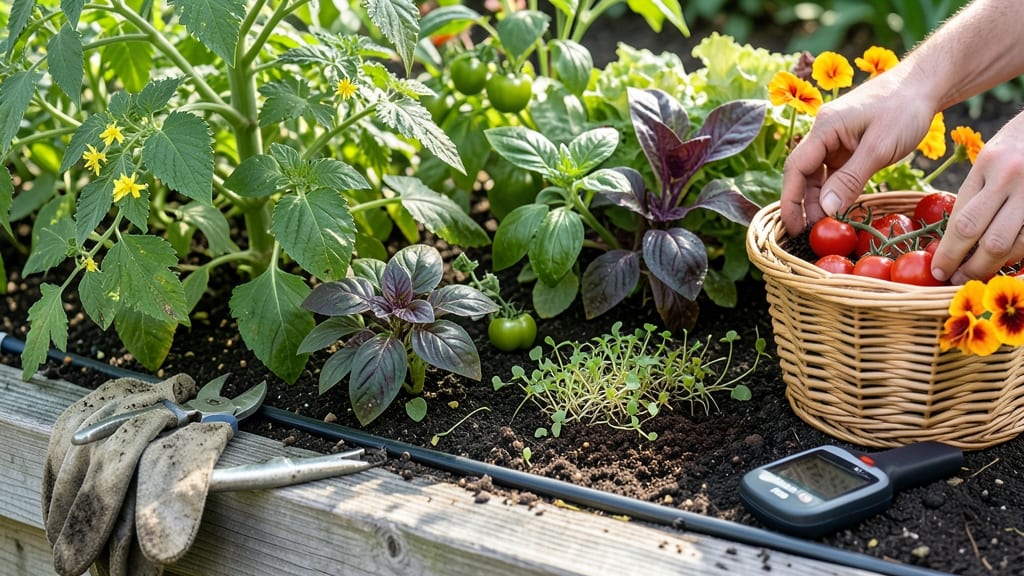
Next-level gardening YouTube channels provide cutting-edge techniques—such as hydroponic setups, space-optimizing vertical gardens, and data-driven pruning methods—to transform even small spaces into high-yield, visually stunning green havens. These creators dive deep into science-backed strategies and rare plant varieties that go far beyond basic gardening advice.
If you're tired of generic gardening advice, these channels are your game-changers. 🌱 They don't just show you how to grow plants—they teach you how to hack growth cycles, manipulate light spectra for specific crops, and even use AI tools to predict harvest times.
For example, some creators demonstrate how to turn a 10-square-foot balcony into a year-round micro-farm using stacked grow towers and automated nutrient delivery. The real magic happens when they share their "secret" plant varieties, like heirloom tomatoes that resist blight or succulents that bloom year-round with the right light exposure.
What sets these pros apart is their ability to make complex concepts accessible. They break down topics like soil microbiome engineering (where beneficial bacteria outperform chemical fertilizers) or LED grow light spectrum tuning (specific wavelengths that boost flower production in cannabis or fruit set in tomatoes) into practical, step-by-step tutorials.
Many even offer free downloadable guides or community challenges where you can test their methods side-by-side with other gardeners.
💡 In This Article
- How Top Gardening YouTubers Elevate Plant Growth Science
- Must-Follow YouTube Channels for Advanced Gardening Mastery
How top gardening YouTubers elevate plant growth science
The secret sauce behind next-level gardening isn't just experience—it's applying plant biology like a scientist. Top YouTubers use soil microbiome optimization where they inoculate soil with specific bacteria strains (like Bacillus subtilis) to outcompete pathogens and unlock 30-50% more nutrient uptake in plants.
For example, one viral video showed how adding 1 teaspoon of mycorrhizal fungi to a 5-gallon container increased strawberry yields by 42% in just 8 weeks—something most gardeners never consider beyond compost.
Light manipulation takes center stage in these advanced setups. Creators demonstrate how full-spectrum LED grow lights with precise wavelength ratios (like 700nm red for flowering and 450nm blue for vegetative growth) can produce 2x the harvest in the same space compared to basic white bulbs.
One popular channel tested 12 different LED brands and found that even a $200 setup could match the output of a $2,000 commercial system when properly configured—proving you don't need pro-level gear to get pro-level results.
Technology integration sets these channels apart. Many showcase AI-driven irrigation systems that adjust water delivery based on real-time soil moisture sensors and weather forecasts, preventing both overwatering (which causes root rot) and underwatering (which stresses plants).
I've seen creators use off-the-shelf Raspberry Pi setups to create automated systems that cost less than $150 but perform like commercial hydroponic controllers. The data-driven approach means your plants get exactly what they need, when they need it—no guesswork.
Plant genetics play a surprisingly large role too. Advanced gardeners source heirloom varieties with specific traits—like Early Girl tomatoes that set fruit in just 55 days from transplant or Blueberry 'Top Hat' that produces 3-4x more berries than standard varieties when grown in containers.
One creator even demonstrated how to propagate rare carnivorous plants like Nepenthes from seed, showing how to create the exact humidity (80-90%) and temperature (75-85°F) conditions needed for germination rates above 90%.
The real magic happens when these techniques combine. For instance, a popular YouTuber grew 20 pounds of microgreens in a 2-foot by 2-foot space using stacked trays, full-spectrum LEDs, and a 12-hour light cycle—all while maintaining perfect humidity with a simple pebble tray.
The sensory details matter too: the crisp snap of perfectly grown basil leaves, the sweet aroma of properly pollinated tomatoes, and the vibrant colors of flowers grown under optimized light spectra create a gardening experience that's both scientifically impressive and visually stunning.
What most people don't realize is how these creators validate their methods through side-by-side comparisons. They'll grow the same plant variety using conventional soil vs. hydroponics, or compare organic fertilizers against microbial inoculants, and present the measurable differences in growth rates, flavor profiles, and disease resistance.
This data-driven approach means you're not just following advice—you're implementing strategies that have been scientifically proven to work in real-world conditions.