
Tools
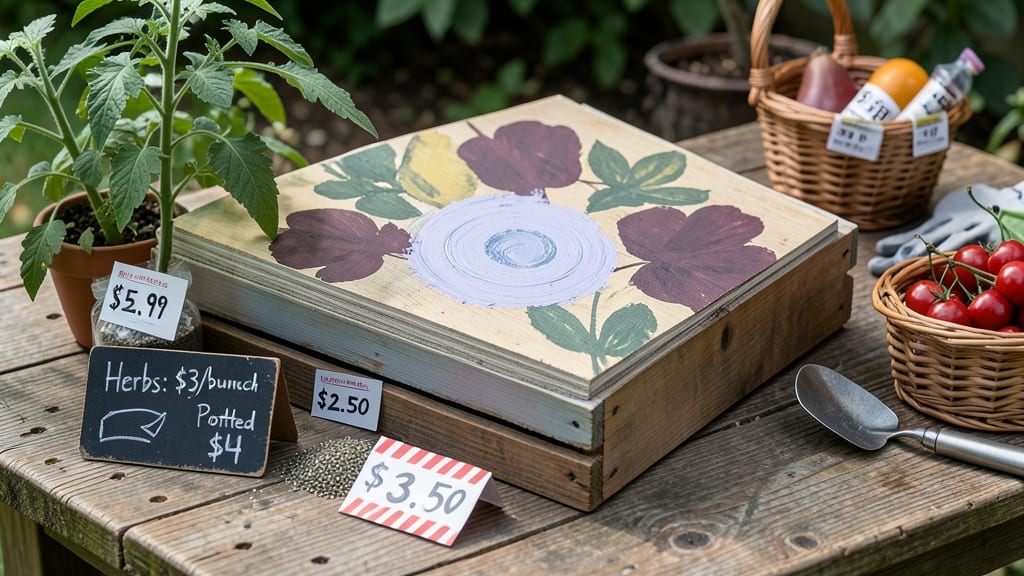
The price of a garden can range dramatically—starting as low as $100–$500 for a small backyard project with basic supplies, but scaling up to $10,000+ for full-scale landscaping or commercial setups. Your total cost hinges on garden size, plant choices, and whether you tackle it yourself or hire help.
Garden costs aren't just about dirt and plants—they're shaped by hidden factors like soil quality and regional climate needs.
For example, a 10x10-foot raised bed might cost $200–$400 for lumber, soil, and starter plants, but adding a drip irrigation system could push that to $600+. 🌱 In my experience, the biggest budget surprises come from labor (if you hire pros) and long-term maintenance like mulch or fertilizer.
Even a modest garden can spiral if you skip planning for these extras.
Don't let sticker shock derail your plans—smart shopping makes a difference. Buying seeds instead of seedlings, composting yard waste for soil amendments, and timing purchases for seasonal sales can cut costs by 30–50%.
I've saved hundreds by starting perennials from cuttings rather than buying mature plants, and mulching with free wood chips from local tree services. The key is balancing upfront savings with long-term payoffs, like drought-resistant plants that reduce water bills.
💡 In This Article
- Key Factors That Influence Garden Costs
- Budget-Friendly Ways to Reduce Garden Expenses
Key factors that influence garden costs
The foundation of any garden budget lies in soil quality and preparation. Poor native soil often requires amendments like compost ($0.50–$2 per cubic foot) or topsoil ($15–$35 per cubic yard), which can add $500–$2,000 to a 100-square-foot plot.
For example, clay-heavy soils common in the Midwest may need 3–5 inches of organic matter to improve drainage, while sandy soils in desert climates might require 20–30% more organic content to retain moisture. 🌱 The deeper you dig for root crops like carrots or potatoes, the more soil prep costs climb—sometimes doubling the initial estimate.
Plant selection creates another major cost swing, especially when comparing annuals to perennials. A single mature rosemary bush costs $15–$30, but it returns dividends for decades, while annual marigolds might run $2–$5 per plant but need yearly replacement.
Seedlings also vary wildly: tomato plants average $3–$6 each, but a packet of seeds costs $1–$3 and yields 20–30 plants.
Climate zones further complicate pricing—drought-resistant succulents ($5–$15 per plant) thrive in USDA Zone 9+ but may struggle in colder regions where hardy perennials ($10–$25) become essential.
Labor costs often surprise gardeners, with professional landscapers charging $50–$150 per hour for installation. A 500-square-foot garden might require 10–20 hours of labor for layout, irrigation, and planting, adding $500–$3,000 to the bill.
DIYers save significantly, but hidden expenses like permits ($50–$500 for erosion control or grading) or irrigation systems ($1–$3 per square foot for drip lines) can still appear. In urban areas, container gardening ($20–$100 per pot) avoids soil costs but multiplies when scaling up.
Regional climate demands create unexpected line items too. For instance, frost-protective covers ($10–$50 each) extend growing seasons in Zone 5–6, while heat-tolerant mulch ($3–$8 per bag) prevents soil evaporation in Zone 8+.
Windbreaks ($100–$500 for materials) protect coastal gardens, and erosion control fabrics ($1–$3 per square foot) stabilize slopes. These "climate-specific" costs can inflate budgets by 20–40% depending on location.
Consider this real-world example: A 20x20-foot vegetable garden in Zone 7 might cost $800 for soil prep, $300 for plants, and $1,200 for irrigation—totaling $2,300. But add $500 for frost cloths and $400 for a trellis system, and the bill jumps to $3,200.
The lesson? Factor in these "invisible" expenses early to avoid mid-project sticker shock.
Finally, don't underestimate the long-term costs of maintenance. Mulch ($3–$10 per bag), fertilizer ($20–$100 per season), and pest control ($50–$300 annually) add up over years.
A 100-square-foot garden might require $100–$200 per year just to keep it thriving—making the initial investment seem modest by comparison. 💫