
Watering
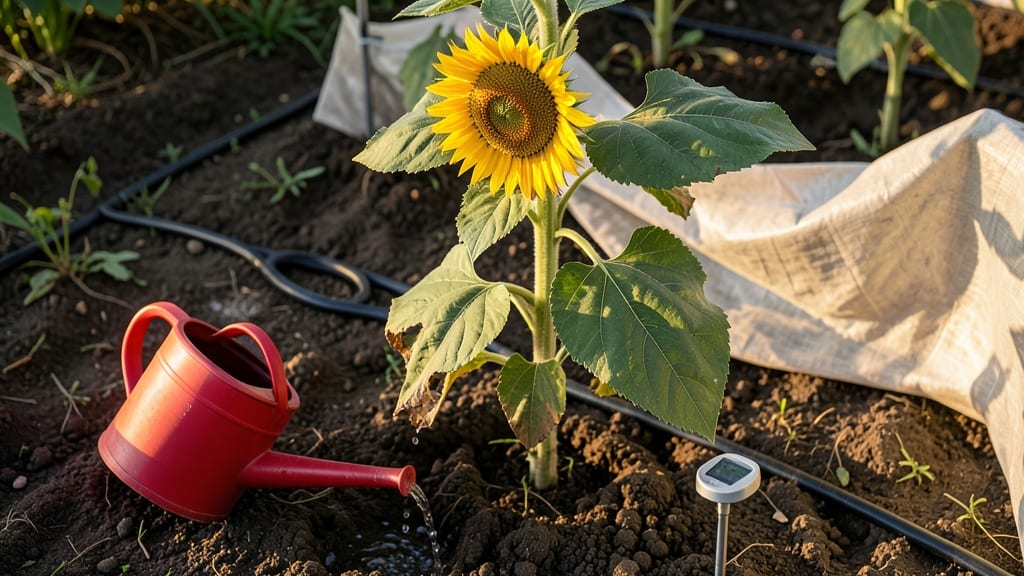
Watering your garden every day in hot weather is unnecessary and can harm plants by suffocating roots, encouraging fungal growth, and wasting water. Instead, water deeply 1-2 times weekly, focusing on soil moisture rather than frequency to promote strong root systems.
Daily watering in hot weather actually stresses plants by preventing roots from accessing oxygen, while shallow watering encourages shallow roots that can't support healthy growth. 🌱 The key is to water thoroughly in the early morning to reduce evaporation and fungal risks, allowing soil to dry slightly between sessions.
Most garden plants—especially vegetables and perennials—thrive with 1-2 inches of water per week, delivered in deeper cycles rather than light daily sprinkles.
This approach also conserves water and prevents nutrient leaching from constant wet soil. For example, succulents and herbs need even less frequent watering, while leafy greens may require slightly more—but never daily.
Using a moisture meter or the "finger test" (inserting your finger 1-2 inches deep) helps determine when roots actually need hydration.
💡 In This Article
- How Daily Watering Damages Plant Roots in Heat
- Optimal Watering Schedule for Hot-Weather Gardens
How daily watering damages plant roots in heat
When soil stays constantly wet from daily watering, roots suffocate because water displaces oxygen in the tiny air pockets between soil particles.
This creates an anaerobic environment where roots can't breathe properly, leading to stress and weakened growth. 🌱 In hot weather, this problem worsens because high temperatures increase microbial activity that depletes oxygen even faster, creating a double threat to root health.
Shallow watering—like light daily sprinkles—tricks plants into growing weak, surface-level roots that can't access deep moisture or nutrients. These roots become dependent on frequent watering and struggle during dry spells.
Compare this to deep watering, which encourages roots to grow downward in search of moisture, creating a stronger, more resilient system that can handle heat stress better.
Daily moisture also creates the perfect conditions for fungal diseases like root rot and powdery mildew. Fungi thrive in damp, shaded environments, and constantly wet soil gives them the upper hand.
You'll often see yellowing leaves or stunted growth as early signs of fungal infection, which can quickly spread throughout the garden if not addressed.
Another hidden consequence is nutrient leaching. When soil stays saturated, essential minerals like nitrogen and potassium wash away with excess water, leaving plants malnourished despite frequent watering. This is why plants often look thirsty even when they're drowning—because they're starving from poor nutrient absorption in waterlogged soil.
Consider this comparison: A plant watered deeply twice weekly develops roots that can penetrate 12-18 inches deep, while one watered daily may only develop roots in the top 2-3 inches.
The deeper roots access moisture from lower soil layers, while shallow roots become dependent on surface water that evaporates quickly in heat.
Even drought-tolerant plants like cacti or lavender suffer from daily watering—their natural adaptations (like thick cuticles or deep root systems) rely on dry periods to function properly. Forcing constant moisture disrupts these adaptations, making plants more vulnerable to heat stress and disease.