
Pests
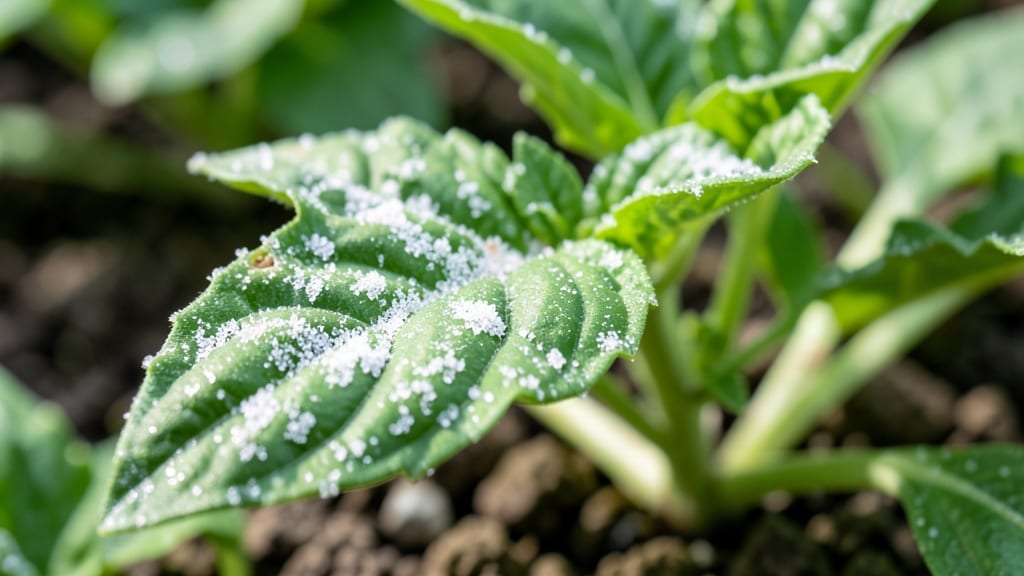
Squirrel repellent for gardens needs a two-pronged approach: physical barriers like mesh fencing or spiked collars combined with natural sprays containing peppermint oil or cayenne pepper to deter digging and chewing.
Squirrels target gardens for food and nesting, often causing visible damage by digging up bulbs or gnawing on young plants. 🌱 Physical barriers like hardware cloth (buried 12 inches deep) or commercial repellent spikes create immediate deterrents, while natural sprays disrupt their scent trails.
I've seen peppermint oil solutions work best when reapplied every 2-3 weeks, but always test on a small plant area first to avoid harming sensitive foliage.
Commercial repellents often contain capsaicin (from cayenne) which irritates squirrels' noses and paws, but homemade blends with garlic and vinegar can be just as effective. The key is consistency—squirrels learn quickly, so combining multiple methods gives you the strongest protection.
For best results, apply sprays in the evening when squirrels are most active.
💡 In This Article
- How Squirrels Damage Gardens and Best Barrier Methods
- Top Natural and Commercial Squirrel Repellent Sprays
How squirrels damage gardens and best barrier methods
Squirrels cause garden damage primarily through three behaviors: digging, chewing, and seed caching.
Their powerful claws can uproot young plants or expose buried bulbs like tulips and daffodils, while their sharp teeth gnaw through bark, stems, and even fruit rinds. 🌱 The most vulnerable targets are soft-stemmed plants (like lettuce) and newly planted perennials, which squirrels detect by scent trails left by insects or other animals.
Studies show that squirrels can dig up to 12 inches deep in just minutes, creating tunnels that destabilize soil and expose root systems to disease.
The most effective barriers combine physical obstruction with sensory disruption. Hardware cloth (made of galvanized steel wire with 1/4-inch squares) is the gold standard because it blocks both digging and climbing attempts when buried 12-18 inches deep around garden beds.
For trees, commercial tree guards made of 16-gauge wire wrapped around trunks prevent squirrels from gnawing bark during winter when food is scarce. Spiked collars (with 1-inch plastic spikes spaced 2 inches apart) create an uncomfortable surface that squirrels avoid, though they must be secured tightly to prevent removal.
Squirrels rely heavily on visual and tactile cues when exploring gardens.
The 1/4-inch mesh size of hardware cloth is critical—it's small enough to prevent their 2-inch claws from gaining purchase while allowing water and air circulation. 🦝 What's fascinating is how their natural wariness of unfamiliar textures works against them: when they encounter spikes or rough surfaces, their instinct is to retreat rather than investigate further.
This behavioral response is why physical barriers often work even without additional repellents, though combining methods yields better long-term results.
Seasonal patterns also influence damage severity. Squirrels are most active during dawn and dusk in spring and fall when they're preparing for winter, making these periods ideal for installing barriers.
In winter, when natural food sources dwindle, they become more desperate and may chew through bark or raid bird feeders near gardens. The key is to install barriers before their destructive behaviors peak—once they've established digging patterns, they're harder to deter.
For raised beds, consider L-shaped aluminum flashing buried vertically along edges to create a 12-inch deep barrier that squirrels can't climb over. The metal's smooth surface also reflects light differently than soil, creating an additional visual deterrent.
When installing any barrier, leave 2-3 inches of space between the barrier and plant stems to prevent root damage from physical contact.
What most gardeners overlook is how squirrels use scent markers to navigate. When you install barriers, you're not just blocking physical access—you're disrupting their established scent trails, which forces them to rely on visual cues they find less reliable.
This dual disruption (physical + sensory) is why the most effective squirrel control systems combine hardware cloth with natural repellent sprays.