
Vegetables
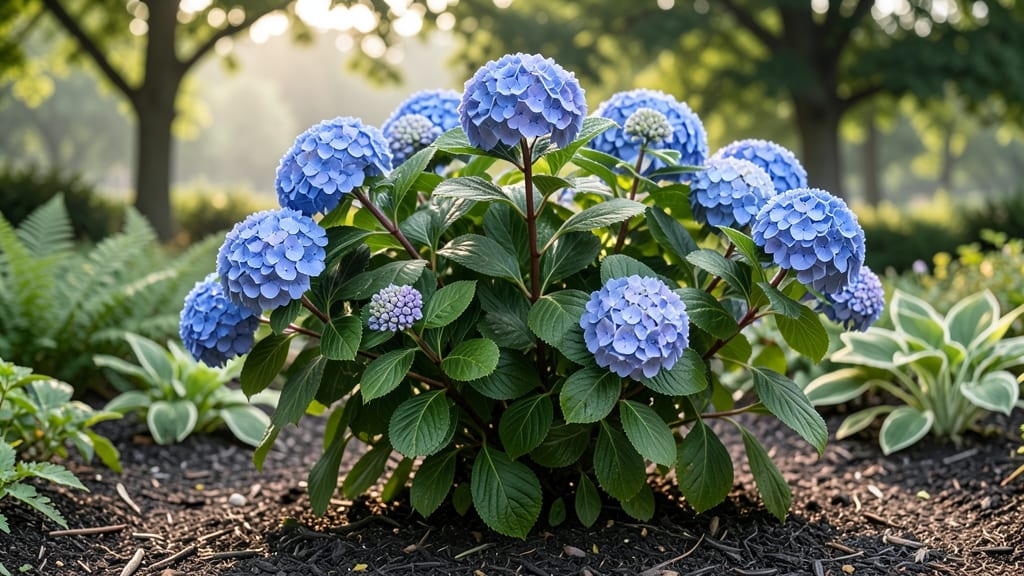
Stan Hywet Hall and Gardens exemplifies 19th-century landscape mastery through its rare botanical collections, seasonal color schemes, and iconic gardens like the Rose Garden and Japanese Garden. The property's Victorian-era planting techniques—layered shrubs, structural plantings, and year-round visual interest—remain influential in garden design today.
This Ohio landmark isn't just a historic estate—it's a living classroom in garden design. 🌿 The estate's Victorian planting philosophy treats plants as architectural elements, creating dramatic focal points that shift with each season.
What makes Stan Hywet special is how it balances formal structure with natural beauty, using techniques like underplanting (adding lower-growing plants beneath taller ones) that modern gardeners still admire. The Japanese Garden, for instance, demonstrates how Victorian-era gardens incorporated international influences while maintaining their own distinct style.
For those inspired to recreate this look, the key is seasonal layering. Stan Hywet's designers ensured every garden had interest year-round—spring bulbs under deciduous trees, summer annuals in borders, and winter-blooming plants like hellebores.
The estate's Ohio hardiness zone 5-6 climate makes its plant choices particularly adaptable for similar regions, though modern gardeners might opt for more drought-resistant varieties to reduce maintenance.
💡 In This Article
- How Stan Hywet’s Victorian Planting Designs Defined American Gardens
- Year-Round Plant Care Tips for Stan Hywet-Inspired Gardens
How Stan Hywet’s Victorian planting designs defined american gardens
Stan Hywet’s gardens weren’t just decorative—they were carefully engineered to create structured beauty through plant-as-architecture principles. The estate’s designers treated shrubs like hydrangeas and boxwoods as living walls, pruning them into geometric forms that framed views and pathways.
This technique, still seen in modern topiary, was revolutionary in the 1890s when gardens often relied on rigid hedges or loose plantings. The key was layering by height: tall evergreens formed backdrops, medium shrubs created mid-level interest, and ground covers filled gaps—ensuring visual depth year-round.
The Victorian obsession with seasonal color theory meant Stan Hywet’s gardens never looked the same twice.
For example, the Rose Garden’s 1,500+ varieties bloom from May to October, while winter displays rely on evergreens like holly and yew paired with winter-blooming hellebores (Helleborus niger) that thrive in Ohio’s zone 5-6 climate.
The Japanese Garden, a rare Victorian-era example, demonstrates how textural contrast (smooth azaleas vs. spiky bamboo) was used to create harmony—something modern minimalist gardens still emulate today.
Frederick Law Olmsted’s influence is visible in Stan Hywet’s meandering paths and view corridors, designed to guide visitors through "picturesque" scenes. Unlike formal French gardens with straight lines, Olmsted’s approach used naturalistic curves to create a sense of discovery.
This philosophy contrasts sharply with today’s xeriscaping trends, where drought tolerance often overshadows aesthetic structure. At Stan Hywet, even the soil composition (a mix of loam and compost) was carefully managed to support these high-maintenance plantings—a practice modern organic gardeners are rediscovering.
One enduring lesson from Stan Hywet is how structural plantings reduce long-term maintenance. For instance, boxwood hedges (Buxus sempervirens) pruned into cubes or spheres require annual shaping but last decades, unlike annual flowers that need constant replanting.
The estate’s perennial borders (featuring peonies, irises, and daylilies) demonstrate how clumping plants (like hostas) outperform spreaders for controlled growth. This Victorian pragmatism aligns with today’s low-water, low-maintenance gardens—proving that historic design principles can solve modern challenges.
The estate’s rare plant collections (including 19th-century roses and magnolia varieties) also reflect Victorian-era plant hunting. Collectors like F.A. Seiberling (Stan Hywet’s founder) sourced specimens from around the world, creating microclimates in greenhouses to overwinter tropical plants like camellias (Camellia japonica).
This global approach contrasts with today’s native plant movements, though both share the goal of ecological diversity. At Stan Hywet, even the tree placement (oak alleys, maple groves) was strategic—using species with complementary fall colors (red maples vs. golden ginkgos) to extend the season’s visual impact.
What most visitors miss is how Stan Hywet’s gardens evolved with technology. The estate’s 19th-century glasshouses used passive solar heating, a precursor to modern geothermal gardening.
Today, replicating this look means balancing historic charm with climate-adaptive plants—like replacing thirsty Victorian favorites (e.g., hydrangeas) with drought-tolerant butterfly bush (Buddleia davidii) in hotter microclimates. The lesson? Structure and seasonality remain timeless, but plant choices must adapt to modern growing conditions.