
Planting
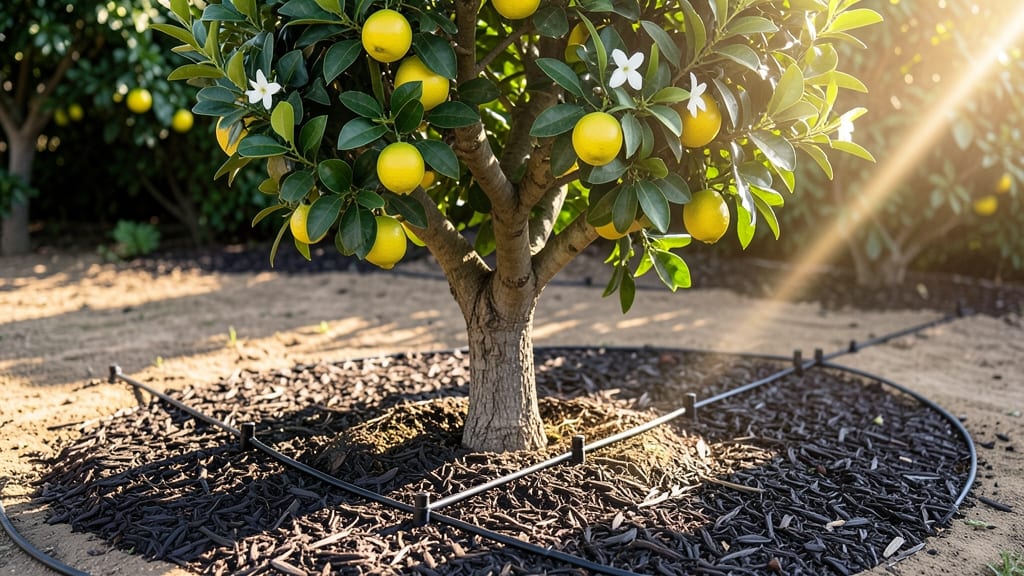
Zone 10 gardening lets you plant almost any crop year-round in frost-free areas like Southern California and Florida, with key timing for warm-season vegetables in spring and fall while summer heat requires shade and winter brings ideal conditions for cool-loving plants in sheltered spots.
This frost-free growing zone eliminates the traditional planting seasons, letting you grow everything from citrus trees to winter squash without worrying about frost damage. 🌱 The trick is understanding how to work with the consistent warmth—summer's intense heat means prioritizing shade for delicate greens, while winter's mild temperatures create perfect conditions for leafy vegetables that would bolt in cooler climates.
I've found that creating microclimates with windbreaks and drip irrigation makes all the difference in maintaining plant health year-round.
For example, while most gardeners plant tomatoes in spring, Zone 10 gardeners can start them in late summer for fall harvests, avoiding the peak heat. The key is monitoring soil temperatures—most warm-season crops need soil above 60°F to germinate properly.
Cool-season crops like broccoli and kale actually thrive in Zone 10's winter months when temperatures dip to the 50-60°F range, which would be too cold for most other regions.
💡 In This Article
- Understanding Zone 10 Climate Conditions for Plant Success
- Creating a Year-Round Planting Schedule for Zone 10 Gardens
Understanding Zone 10 climate conditions for plant success
Zone 10's frost-free climate creates a unique growing environment where temperatures rarely drop below 30°F, allowing gardeners to cultivate plants year-round that would perish in colder zones. The average annual temperature ranges from 64-75°F, with summer highs often exceeding 90°F and winter lows rarely falling below 45°F.
This consistent warmth means traditional "spring" and "fall" planting seasons blend together, creating continuous growing cycles for both warm- and cool-season crops. 🌿
The climate's defining characteristics include high humidity in coastal areas (like Miami) and dry heat inland (like Phoenix), both of which affect plant selection. Coastal regions benefit from ocean breezes that moderate temperatures, while inland areas experience more extreme diurnal shifts—15°F+ differences between day and night.
These microclimates allow gardeners to grow tropical plants like papayas alongside temperate varieties such as broccoli, but require careful attention to irrigation and shade management. For instance, leafy greens like spinach will bolt in summer heat but thrive in winter when temperatures drop to 55-65°F.
Rainfall patterns vary dramatically across Zone 10. Southern Florida receives 50-60 inches annually with summer downpours, while desert regions like Palm Springs average only 8-10 inches.
This means drip irrigation systems become essential in arid areas to maintain consistent moisture levels, while coastal gardeners may need to manage excess water during rainy seasons.
The key is matching plant water needs to local conditions—succulents like agave thrive in desert climates, while tropical plants require frequent watering in humid areas.
Heat tolerance becomes the defining factor for summer planting. Most vegetables prefer soil temperatures between 60-85°F for optimal growth, but Zone 10's summer soil can reach 100°F+ in direct sun. This is why shade cloth (30-50% coverage) becomes crucial for heat-sensitive crops like lettuce and peas.
Even heat-tolerant plants benefit from afternoon shade—tomatoes, for example, produce better fruit when shielded from peak sun during summer months. The solution is strategic planting: warm-season crops like okra and sweet potatoes actually prefer the intense heat, while greens should be planted in partial shade or during cooler winter months.
Winter presents its own opportunities in Zone 10. While most gardens experience dormancy, Zone 10's mild winters (50-65°F) allow for continuous production of cool-season crops. Kale, Brussels sprouts, and carrots grow exceptionally well when planted in late fall, maturing before summer heat arrives.
This winter bounty is particularly valuable in regions where other zones face frost—Zone 10 gardeners can enjoy fresh greens when most of the country is buried under snow. The trick is selecting varieties bred for long daylight hours, as many traditional cool-season crops were developed for shorter northern growing seasons.
One often-overlooked aspect is how Zone 10's consistent warmth affects plant pests. Warmer temperatures accelerate insect life cycles, meaning gardeners must implement integrated pest management strategies year-round. For example, aphids and whiteflies thrive in the heat, requiring regular monitoring and biological controls like ladybugs.
Meanwhile, fungal diseases become more prevalent in humid coastal areas, necessitating proper spacing and air circulation between plants. The solution is proactive planning—rotating crops annually and selecting disease-resistant varieties becomes essential for maintaining healthy plants in this perpetual growing environment. ✨