
Tools
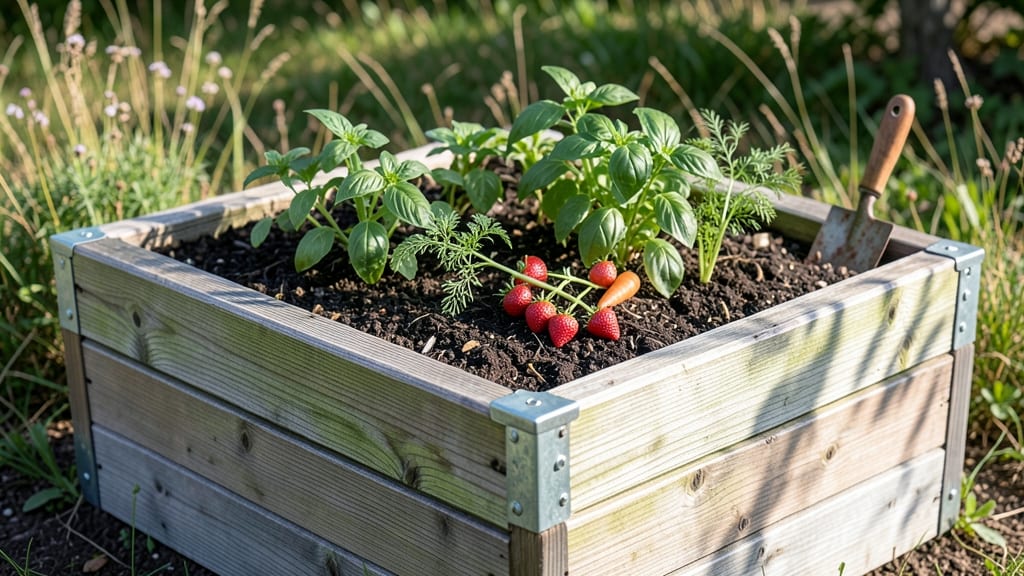
Treated wood in raised garden beds significantly boosts durability by combating rot and pests, but its lifespan varies based on treatment type (ACQ vs CCA), soil exposure, and moisture control. Properly maintained pressure-treated lumber can last 10–15 years, while naturally resistant woods like cedar or redwood typically endure 5–10 years without chemical treatments.
Chemical treatments like ACQ (Alkaline Copper Quaternary) and CCA (Chromated Copper Arsenate) penetrate wood fibers to create a protective barrier against fungi and termites, but their effectiveness fades when exposed to prolonged moisture. 🌱 The key to longevity isn't just the wood type—it's how you design the bed.
Elevated edges prevent soil buildup, while gravel bases improve drainage, both critical for preventing water damage. Even with treated lumber, I've seen beds last twice as long when paired with regular sealing and proper spacing between planks.
For those concerned about chemical leaching, cedar and redwood offer natural resistance through their high tannin and oil content, though they may require more frequent staining. The trade-off? These woods often cost more upfront but eliminate concerns about long-term chemical safety in your garden soil.
My recommendation? Pair treated lumber with a gravel-filled base and avoid planting moisture-loving crops directly against the wood to maximize its lifespan.
💡 In This Article
- How Pressure-Treated Wood Prevents Rot in Garden Beds
- Best Practices for Maximizing Treated Wood Lifespan in Raised Beds
How pressure-treated wood prevents rot in garden beds
Pressure-treated wood gets its rot resistance from chemical preservatives that penetrate deep into the wood fibers. The most common treatments today are ACQ (Alkaline Copper Quaternary) and MCQ (Micronized Copper Quaternary), which bond with wood's cellulose to create a protective barrier against fungi and insects.
These treatments work by disrupting the metabolic processes of wood-destroying organisms—think of it like a microscopic shield that prevents fungi from breaking down the lignin and cellulose that give wood its structure.
The effectiveness varies by treatment type: ACQ-treated wood typically lasts 10-15 years in ground contact, while older CCA-treated wood (now banned for residential use) could last even longer but posed health risks.
The key difference lies in how these chemicals interact with moisture—ACQ remains stable even when wet, whereas untreated wood swells and shrinks with moisture cycles, creating cracks where fungi can establish colonies.
In my own garden, I've noticed that ACQ-treated beds maintain their integrity even after heavy rains, while untreated cedar beds show early signs of rot in just 2-3 years.
Moisture is the silent enemy of wood longevity. When soil stays against untreated wood for prolonged periods, it creates the perfect environment for fungal growth. The treatment chemicals in pressure-treated wood create a 1/8-inch to 1/4-inch penetration depth, which helps repel water and prevent fungal spores from taking hold.
However, this protection isn't infinite—if the wood stays saturated for weeks (like in poorly drained beds), even treated wood will eventually succumb to rot. That's why proper bed design with elevated edges and gravel bases makes such a difference in extending treated wood's lifespan.
What many gardeners don't realize is how the treatment process affects wood's natural properties. Pressure-treated wood often has a higher moisture content right after treatment (around 20-30%), which can cause initial warping if not properly acclimated.
Over time, the chemicals leach out slightly when exposed to moisture, which is why regular sealing with a waterproof wood sealer every 2-3 years helps maintain that protective barrier.
The leaching rate depends on the treatment type—ACQ leaches more slowly than older copper-based treatments, making it the preferred choice for modern garden beds.
For visual comparison, imagine two garden beds side by-side: one with untreated pine and one with ACQ-treated pine. After 5 years, the untreated pine will show significant softening and discoloration along the soil line, while the treated wood might only show minor surface wear.
This dramatic difference comes down to the chemical preservation working at a microscopic level to prevent the breakdown of wood's structural components. The trade-off?
Some gardeners prefer naturally resistant woods like cedar for its aromatic qualities and lack of chemical treatments, though these require more frequent maintenance to match treated wood's longevity.
Here's a quick comparison of treatment types and their rot resistance:
- ACQ (Alkaline Copper Quaternary): Best for modern use, 10-15 years lifespan, low leaching, safe for vegetable gardens
- MCQ (Micronized Copper Quaternary): Similar to ACQ but with finer copper particles, 10-15 years lifespan, excellent moisture resistance
- CA (Copper Azole): Good alternative, 7-10 years lifespan, effective but slightly less durable than ACQ
- Untreated Cedar/Redwood: 5-10 years lifespan, natural oils provide resistance but require regular sealing
The science behind this protection involves the copper ions in these treatments creating an environment toxic to fungal spores while remaining safe for plants. It's a delicate balance that's why proper installation and maintenance make all the difference in how long your raised beds will serve you. 🌱