
Planting
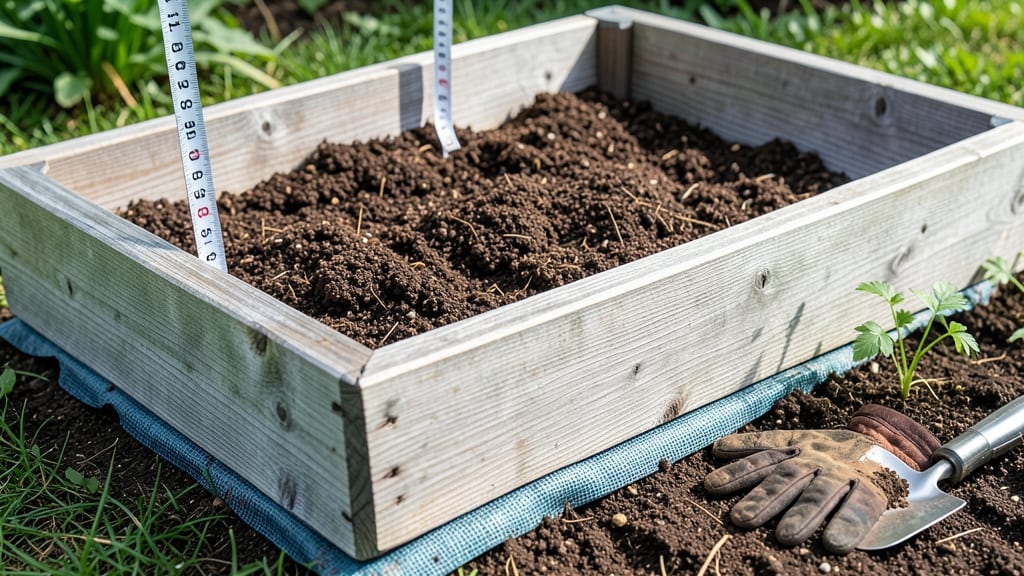
To determine how deep a raised garden bed needs to be, aim for 6 to 12 inches for most vegetables and herbs, while root crops like carrots or potatoes require 12–18 inches of soil depth. Proper depth ensures strong root development and healthy plant growth.
Depth matters because it directly impacts root growth and soil health.
Shallow beds (6 inches) work well for leafy greens and herbs, but deeper beds (12–18 inches) give root vegetables the space they need to thrive. 🌱 I've found that adding compost and perlite to deeper beds improves drainage while retaining moisture—critical for plants like potatoes that need consistent hydration.
The right depth also prevents soil compaction, which can stunt growth over time.
Another key factor is the bed's construction. Using untreated wood or cedar prevents rot, while adding gravel at the bottom enhances drainage. For container gardens, 12-inch depth is ideal, but mixing in organic matter can make shallower beds work for some plants.
Always test your soil's fertility before planting—healthy soil means your plants won't outgrow their space.
💡 In This Article
- Root Depth Requirements for Different Plant Types
- Building the Perfect Raised Garden Bed: Depth and Material Tips
Root depth requirements for different plant types
Root depth isn't just about how tall your plants grow—it's about how far their roots need to spread to access water, nutrients, and stability. Shallow-rooted plants like lettuce, spinach, and herbs (such as basil or cilantro) thrive in beds just 6 inches deep.
Their fibrous roots spread horizontally, absorbing moisture from the topsoil layer. In contrast, deep-rooted vegetables like carrots, parsnips, and asparagus need 12–18 inches of soil to develop properly, as their taproots grow vertically to reach deeper moisture reserves. 🌱
The science behind this is simple: roots need oxygen, water, and nutrients. In a 6-inch bed, shallow roots can dry out faster, especially during hot weather, while deeper beds provide a moisture buffer.
For example, a carrot's root can grow up to 16 inches long, but in a 6-inch bed, it'll become stunted and forked. Meanwhile, tomatoes—with roots that spread 18–24 inches wide but only 12–18 inches deep—do well in 12-inch beds if given enough horizontal space.
Exceptions exist, though. Strawberries, for instance, have shallow roots but produce fruit near the surface, so a 6-inch bed works perfectly. However, if you're growing them in containers, you'll need to add extra compost to compensate for limited depth.
Similarly, potatoes need 12+ inches to tuberize properly, but their foliage grows above ground—so the bed's height must accommodate both root and stem growth. This dual requirement is why many gardeners opt for 18-inch beds when growing potatoes or sweet potatoes.
Another factor is soil aeration. Compacted soil—common in shallow beds—restricts root growth because oxygen can't reach the roots efficiently. Loose, well-draining soil in deeper beds allows roots to expand freely.
For example, adding 20% perlite or coarse sand to your soil mix improves aeration, which is especially critical for root crops. Without proper aeration, even a 12-inch bed might not support deep-rooted plants as effectively as a 16-inch bed with amended soil.
Consider your climate too. In arid regions, deeper beds help retain moisture longer, while in rainy areas, extra depth prevents waterlogging. For instance, in the Pacific Northwest, I've seen gardeners use 18-inch beds for root crops to avoid soggy soil, which can lead to rot.
Conversely, in desert climates, deeper beds with 30% compost help retain moisture for plants like squash, which have sprawling roots but shallow water needs.
Pro tip: If you're limited to a 6-inch bed, focus on shallow-rooted plants or those with compact growth habits, like radishes or green onions. For deeper beds, prioritize root crops or plants with extensive root systems.
The key is matching the bed's depth to the plant's natural growth patterns—because a carrot won't magically grow straight in a shallow bed, no matter how much you water it! 💧