
Tools
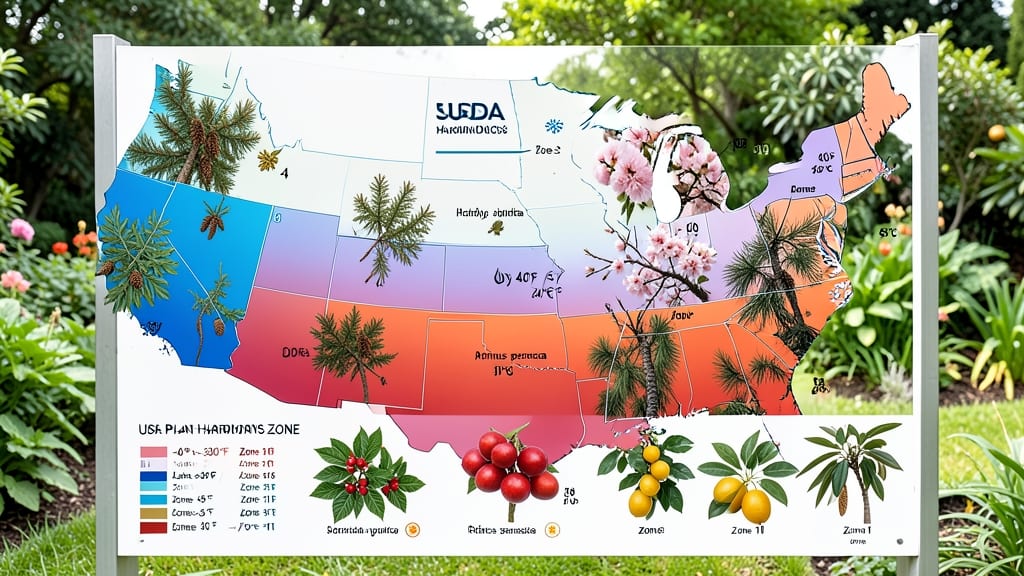
Understanding US climate zones for gardening is essential because they range from Zone 1 (Alaska) to Zone 13 (Hawaii), with planting deadlines based on frost dates and heat tolerance. Use your USDA zone to match crops with local growing conditions for best results.
These zones, defined by the USDA based on average winter lows, help gardeners predict when to plant and which crops will thrive.
For example, Zone 5 (northern Midwest) has a last frost around May 15, while Zone 10 (southern California) can plant warm-season crops year-round. 🌱 The key is aligning your planting schedule with your zone’s frost-free window—cool-season crops like lettuce need early starts, while tomatoes in colder zones must wait until soil warms to 60°F.
Your zone also determines which plants will survive winter. Zone 1 gardeners should focus on hardy perennials like catnip, while Zone 10 growers can experiment with tropicals like hibiscus. The USDA zone map is your first tool—pair it with local weather records for precise timing.
Pro tip: Use a frost calendar to track trends over years, as climate shifts can alter traditional deadlines.
💡 In This Article
- How USDA Plant Hardiness Zones Affect Planting Timelines
- Best Planting Deadlines by US Climate Zone and Crop Type
How USDA plant hardiness zones affect planting timelines
The USDA Plant Hardiness Zone Map divides the U.S. into 13 zones based on average annual minimum winter temperatures, measured over a 30-year period. For example, Zone 1 (-60°F to -50°F) covers Alaska's interior, while Zone 13 (80°F to 90°F) includes Hawaii.
These temperature ranges determine which plants can survive winter dormancy in your area, as most perennials and woody plants have specific cold tolerance thresholds.
What most gardeners don't realize is how these zones correlate with frost-free dates. The colder the zone, the shorter the growing season.
In Zone 5 (average winter lows of -20°F to -10°F), the last spring frost typically occurs around April 15-May 15, while Zone 10 (average winter lows of 30°F to 40°F) may never experience frost.
This explains why you can plant tomatoes in Zone 10 year-round but must wait until soil reaches 60°F in Zone 5 to prevent transplant shock.
The science behind this involves plant physiology. Most vegetables and annuals are sensitive to temperatures below 32°F, which is why frost dates become your planting deadlines.
For instance, cool-season crops like broccoli can tolerate light frosts (28°F), while warm-season crops like peppers die if exposed to temperatures below 50°F. The zone map helps you predict which crops will thrive based on your area's temperature extremes.
Consider this example: A Zone 7 gardener (average winter lows of 0°F to 10°F) can plant frost-tolerant kale in early spring, but must wait until after the last frost (typically April 15) to plant heat-loving basil.
Meanwhile, a Zone 10 gardener can plant both crops simultaneously. The zone system essentially translates temperature data into practical planting windows.
Here's how to apply this knowledge: First, find your zone using the USDA interactive map. Then, add 5-10 days to your last frost date for warm-season crops to ensure soil has warmed sufficiently.
For cool-season crops, plant 4-6 weeks before the first expected frost in fall. The zone map is your foundation, but local microclimates (like urban heat islands) can shift planting times by 1-2 weeks.
Advanced gardeners often use the 10°F increment rule to adjust planting times between zones. For example, moving from Zone 6 to Zone 5 typically means delaying warm-season planting by 2-3 weeks to account for colder soil temperatures. This rule helps bridge the gap between zone-based predictions and real-world growing conditions.
The bottom line? Your USDA zone determines your growing season's boundaries. By understanding how these temperature zones influence frost dates and soil warming, you can select crops that match your local climate and time your plantings for maximum success. 🌱