
Planting
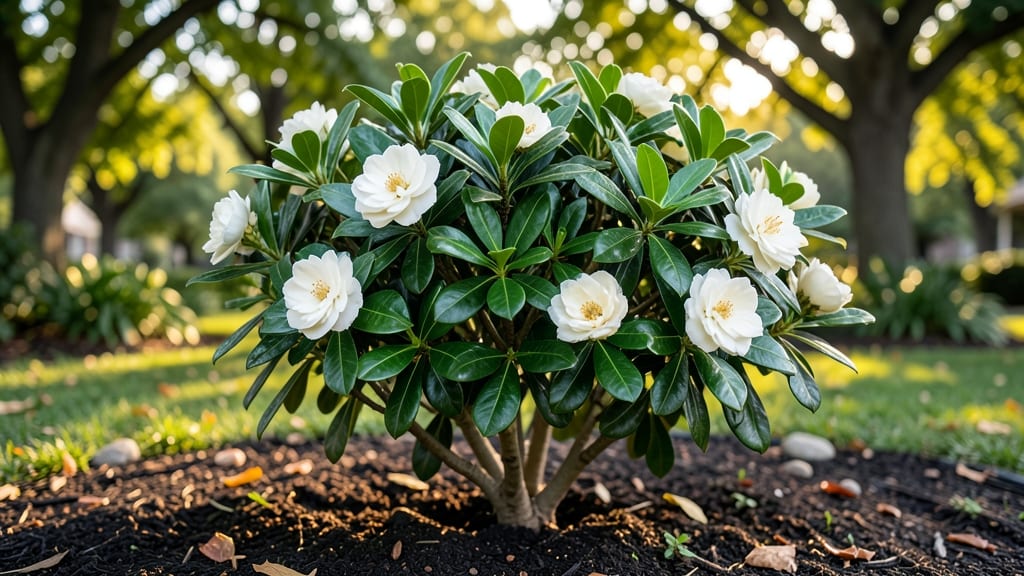
The gardenia hardy zone spans USDA Zones 8 through 11, where winter temperatures rarely drop below 10°F (-12°C). In colder zones, they must be grown as annuals or overwintered indoors to survive frost. Planting deadlines depend on last frost dates—spring plantings should occur after the risk of frost has passed, typically between March and May in most regions.
Gardenias are tropical beauties that struggle when temperatures dip too low, making their hardiness zone critical for survival. 🌿 The 10°F (-12°C) threshold isn't just about frost—it's about protecting their delicate roots and leaves, which can suffer irreversible damage even from light freezes.
In regions like Zone 7 or colder, gardeners often treat them as seasonal plants, bringing them inside before winter or planting them in containers for easier relocation.
Your local frost dates are the real deadline-makers. For example, gardeners in Zone 8 should wait until after the last expected frost in late April or May, while those in Zone 10 can plant as early as February.
Microclimates matter too—coastal areas with milder winters might push planting windows earlier, while inland spots may need to delay until temperatures stabilize consistently above 50°F (10°C).
💡 In This Article
- USDA Zone Compatibility for Gardenias: Cold Tolerance Limits
- Gardenia Planting Timeline by USDA Zone and Frost Dates
USDA Zone compatibility for gardenias: cold tolerance limits
Gardenias originate from tropical and subtropical regions of Asia, Africa, and Australia, where temperatures rarely drop below 50°F (10°C).
This tropical heritage explains why they struggle in colder climates—their leaves and flowers can't withstand frost, which causes cellular damage through ice crystal formation in plant tissues. 🌸 The 10°F (-12°C) threshold isn't arbitrary; it's the point where most gardenia varieties experience irreversible damage to their root systems and foliage, leading to blackened leaves and stunted growth.
The most common gardenia variety, Gardenia jasminoides, is particularly sensitive, thriving best in USDA Zones 8-11 where winter lows rarely fall below 10°F (-12°C).
In contrast, Gardenia augusta (a larger, less common species) can tolerate slightly cooler temperatures down to 15°F (-9°C), but even this variety risks damage in prolonged cold snaps.
The key difference lies in their native habitats—G. jasminoides hails from warmer regions of China and Japan, while G. augusta comes from slightly cooler highland areas.
What happens when gardenias face temperatures below their tolerance? Frost causes ice crystals to form in the plant's cells, rupturing membranes and blocking water transport. This leads to leaf scorch and root rot, which can kill the plant if not addressed quickly.
Even light freezes (32°F/0°C) can cause leaf drop and flower bud failure, ruining the plant's ornamental value. 🌡️ This is why gardeners in colder zones must take extra precautions, like using frost blankets or moving potted plants indoors before temperatures dip.
Soil temperature plays a critical role too. Gardenias prefer soil that stays consistently warm, ideally above 60°F (15°C). In cooler zones, planting in containers allows for easier relocation to protected areas during winter.
The roots, which are particularly vulnerable, benefit from a thick layer of mulch to insulate them from ground-level temperature fluctuations. This insulation can raise soil temperatures by 2-4°F (1-2°C), providing a buffer against early-season chills.
For gardeners pushing the limits in Zones 7 or colder, selecting cold-hardier varieties like 'Kleim's Hardy' (a hybrid with better cold tolerance) can extend the growing season. However, even these varieties may need winter protection.
The trade-off is often between risk and reward—while hardier varieties might survive a mild winter, they may still produce fewer flowers or exhibit slower growth compared to their tropical counterparts.
Understanding these limits helps explain why gardenias are often grown as annuals in colder climates.
Their tropical nature means they simply can't endure the prolonged cold of northern winters without significant intervention. 🌿 The 10°F (-12°C) threshold isn't just a number—it's the biological limit of what these plants can handle before their delicate systems shut down.