
Tools
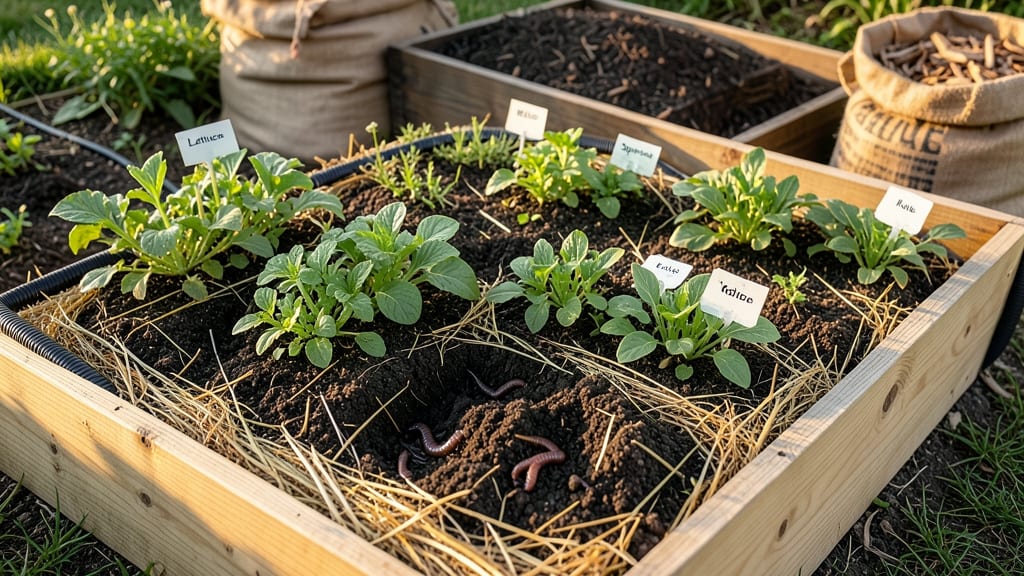
Creating a vegetable garden near a septic field requires keeping at least 50 feet between plants and the septic tank or drain field to prevent soil contamination, while shallow-rooted vegetables like lettuce, radishes, and herbs can be planted closer with soil testing and proper drainage.
This 50-foot buffer zone exists because septic systems release nitrogen and bacteria that can seep into groundwater or harm plants. 🌱 The drain field—where treated wastewater percolates—poses the greatest risk, so I always verify local health department guidelines, which may require even greater distances in some areas.
For example, some regions mandate 100 feet for certain crops or soil types, so checking your county's septic regulations is non-negotiable before digging.
If you're determined to garden closer, focus on shallow-rooted, non-water-intensive crops that won't disrupt soil drainage. Leafy greens, strawberries, and carrots are excellent choices because their roots stay near the surface.
I recommend testing your soil first—high nitrogen levels (common near septic fields) can actually boost some plants, but too much can burn roots or attract pests.
Drip irrigation is your best friend here, as it delivers water directly to roots without creating runoff that could carry contaminants back toward the septic system.
💡 In This Article
- Septic System Safety Zones Explained
- Best Low-Risk Vegetables for Septic-Adjacent Gardens
Septic system safety zones explained
The 50-foot safety zone isn't arbitrary—it's based on how septic systems interact with soil and groundwater. The US EPA recommends this distance primarily because septic drain fields release treated wastewater containing elevated levels of nitrogen (from human waste breakdown) and pathogenic bacteria.
These contaminants can leach into groundwater or create harmful soil conditions when plants draw up contaminated water through their roots.
Here's the critical distinction: the septic tank (where solids settle) poses less risk than the drain field (where liquid effluent percolates). While tanks require 10-25 feet of separation, drain fields demand the full 50-foot buffer because their porous pipes distribute wastewater horizontally across large areas.
The soil in these zones often becomes saturated with ammonia and nitrates, which at high concentrations can stunt plant growth or even kill roots through osmotic stress.
Local health departments may enforce stricter rules based on soil permeability and water table depth. For instance, sandy soils (which drain quickly) might require 100 feet of separation because contaminants move faster through them. Clay soils, while slower to drain, can create anaerobic conditions that prevent proper wastewater treatment.
I always check county records—some areas mandate 200 feet for certain crops or high-water-table regions where groundwater contamination risks are greater.
What most people overlook is how plant roots interact with septic effluent. Deep-rooted crops like corn or potatoes can penetrate drain fields, disrupting the soil structure and potentially clogging the pipes with roots.
Even shallow-rooted plants can suffer if their water needs create a vacuum that pulls contaminated water upward—a phenomenon called capillary rise. This is why leafy greens and herbs thrive closer: their roots stay in the top 6-12 inches of soil, where contamination levels are typically lower.
The science gets even more interesting when we consider denitrification—a natural process where soil bacteria convert nitrates to nitrogen gas. In well-drained soils with proper aeration, this happens within 30-60 feet of the drain field.
That's why the 50-foot rule gives nature a fighting chance to neutralize contaminants before they reach your garden. However, if your soil tests show high nitrate levels (20 ppm or more), even shallow-rooted plants may struggle.
Pro tip: If you're determined to garden closer, mulch heavily with straw or wood chips to prevent soil compaction and improve water retention. This creates a protective barrier between your plants and potential contaminants while maintaining proper drainage.
Just avoid organic mulches near the drain field itself—they can accelerate bacterial growth.
Remember: these guidelines exist to protect both your garden and your septic system. A failing septic system due to root intrusion or contaminated runoff can cost $5,000-$25,000 to repair—far more than the value of any harvest. 🌱