
Watering
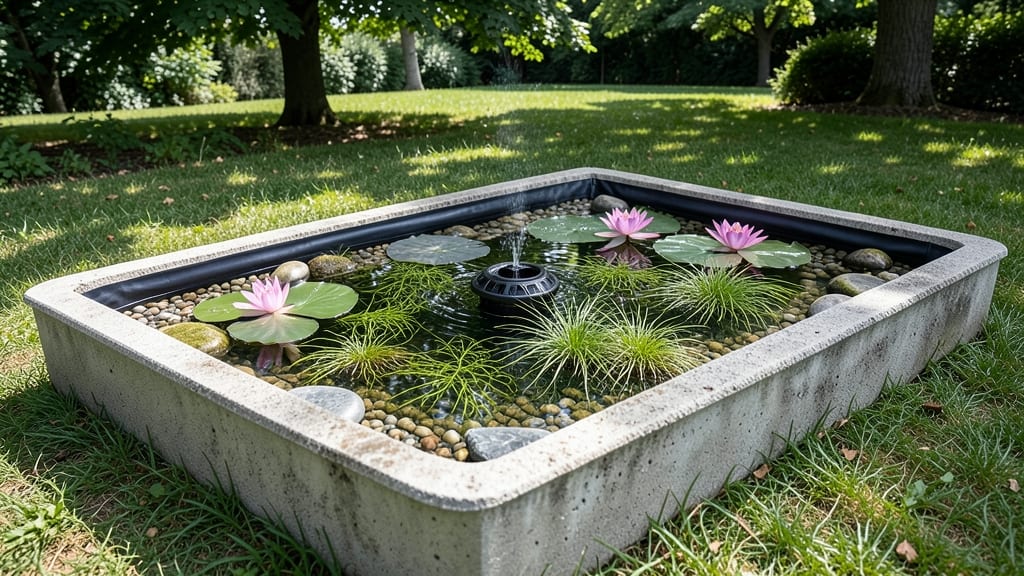
A water garden tub transforms your outdoor space into a thriving aquatic ecosystem, supporting aquatic plants and small fish while requiring thoughtful sizing based on available space and species needs. Choose shade-tolerant plants like water lilies or lotus, and maintain it regularly with debris removal and water testing to prevent algae. Pre-formed tubs offer easy setup, while custom designs provide flexibility for larger installations.
A water garden tub isn't just a decorative feature—it's a living system that thrives on balance. 🌿 The right size ensures your plants and fish have enough room to grow without overcrowding, while the tub's shape affects water flow and sunlight distribution.
For example, deeper tubs support larger aquatic plants, while wider, shallower designs create better habitats for small fish. I always recommend starting with a 12-inch depth minimum to accommodate most aquatic species and their root systems.
Beyond sizing, maintenance is where most beginners struggle. Regular testing for pH and ammonia levels keeps your ecosystem healthy, while floating plants like water hyacinth naturally filter excess nutrients. The key is consistency—check water quality every 2-4 weeks, especially during hot months when evaporation increases.
Pre-formed tubs may require less initial planning, but custom designs let you tailor the space to your exact needs and aesthetic vision.
💡 In This Article
- How to Select the Right Water Garden Tub Size and Shape
- Best Low-Maintenance Aquatic Plants for Small Water Garden Tubs
How to select the right water garden tub size and shape
The ideal dimensions of your water garden tub hinge on the ecosystem you want to create. For small fish like guppies or goldfish, aim for a minimum depth of 12 inches to allow safe swimming and accommodate their natural behaviors.
Larger species such as koi or catfish demand 18-24 inches of depth, while aquatic plants like water lilies need 6-12 inches of submerged root space.
The width matters too—narrower tubs (24 inches) work for single plants, but wider designs (36+ inches) distribute sunlight more evenly, reducing algae hotspots.
Shape directly impacts water circulation and plant placement.
Round tubs create gentle currents that help oxygenate water, while rectangular designs offer more surface area for sunlight exposure—critical for photosynthesis. 🌊 For example, a 3-foot circular tub with a 12-inch depth provides about 30 gallons of water, perfect for 3-5 small fish and a few submerged plants.
In contrast, a 4x2-foot rectangular tub at the same depth holds 50 gallons, ideal for larger fish or a more complex plant arrangement. Always prioritize edges that are easy to clean—avoid deep crevices where debris accumulates.
Sunlight exposure is another critical factor. Place your tub where it receives 4-6 hours of direct sunlight daily, but avoid intense afternoon sun in hot climates, which can spike water temperatures above 80°F—dangerous for fish. Partial shade from nearby trees or a partial sun/shade cloth helps regulate temperature.
If your space lacks natural light, consider adding a small submersible pump (50-100 GPH) to improve circulation and oxygen levels, mimicking the movement of natural water bodies.
Consider maintenance access when choosing dimensions. Tub edges should be 18-24 inches wide at the top to allow easy hand-planting and cleaning. Pre-formed tubs often have built-in overflow drains, simplifying water changes, while custom designs may require additional plumbing.
For example, a 3-foot diameter tub with a 12-inch depth has about 1.5 square feet of surface area, making it manageable for weekly skimming of leaves and debris. Larger tubs (>50 gallons) will need a net with a long handle to reach the center.
Finally, balance aesthetics with function. Tub materials like fiberglass or resin are lightweight yet durable, while stone or concrete designs offer a natural look but require more structural support. 💫 For instance, a pre-formed fiberglass tub with a built-in waterfall feature adds visual interest while promoting oxygenation.
Always check the manufacturer’s weight capacity—some lightweight tubs can’t support heavy rocks or large plants without additional support. Start small if you’re new to water gardening, then expand as you gain confidence in managing the ecosystem.