
Tools
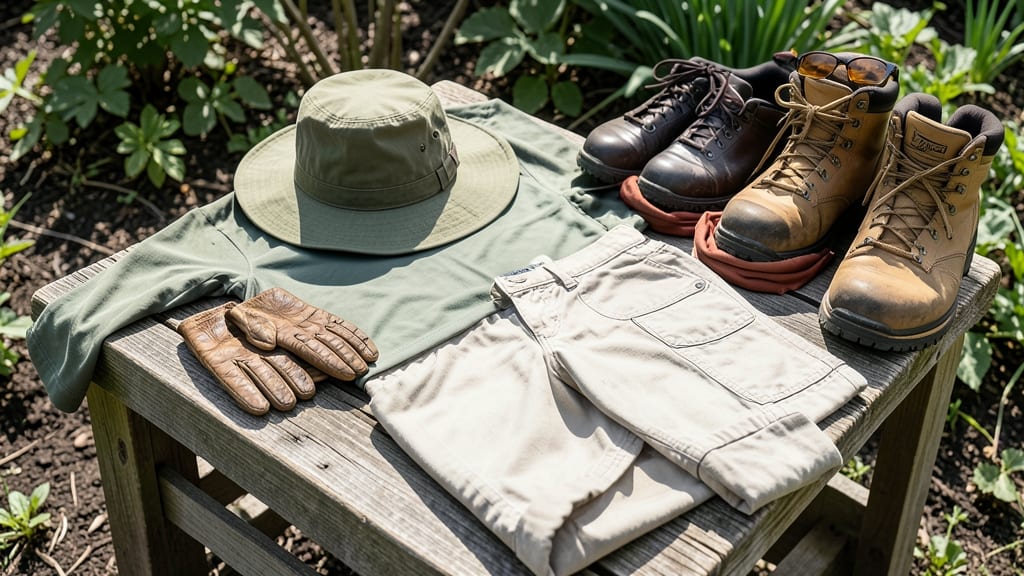
Gardeners wear durable, breathable clothing like long-sleeved shirts, sturdy pants or leggings, and closed-toe shoes to protect against dirt, insects, and weather. Seasonal layers, gloves, and sun hats are also essential for comfort and safety.
Gardeners prioritize functional, weather-resistant clothing that moves with them through every season. 🌿 In summer, moisture-wicking fabrics like merino wool or lightweight synthetics keep you cool while shielding against sun exposure, while winter calls for insulated layers and windproof materials.
The right footwear—whether waterproof boots for muddy patches or supportive sneakers for long days—makes all the difference in preventing fatigue. I've learned that even small details, like a well-fitted hat or breathable gloves, can turn a frustrating gardening session into a comfortable one.
Beyond clothing, the right gear transforms gardening into a more enjoyable experience. For instance, heavy-duty gloves protect your hands whether you're handling prickly plants or rough compost, while knee pads save your joints during long hours on the ground.
Sun protection, like UPF-rated shirts or wide-brimmed hats, isn't just about comfort—it's about preventing long-term skin damage from hours under the sun. Each piece of gear serves a purpose, whether it's keeping you dry, safe, or simply making the work easier.
💡 In This Article
- Seasonal Gardening Attire: Clothing for Every Weather
- Essential Gardening Protection Gear Beyond Clothing
Seasonal gardening attire: clothing for every weather
The right clothing adapts to seasonal challenges—summer's heat and humidity demand fabrics that wick moisture away while shielding from UV rays.
Lightweight, breathable materials like merino wool (150-200 grams per square meter) or synthetic blends (e.g., polyester-cotton mixes) prevent overheating by allowing airflow while blocking 95% of UVA/UVB rays when treated with UPF 50+. These fabrics also resist dirt buildup better than cotton, which absorbs sweat and becomes heavy.
For example, a loose-fitting, long-sleeved shirt made from these materials can keep you 10°F cooler than cotton in 90°F+ temperatures.
Winter gardening introduces new challenges: frostbite risk, wind chill, and damp soil that seeps through thin fabrics. Layering becomes essential—start with a base layer of thermal underwear (merino wool or synthetic), add an insulating mid-layer (fleece or down jacket), and top with a windproof outer shell.
The key is trapping body heat while allowing moisture to escape; wool's natural crimp structure can wick 30% more moisture than synthetic fabrics, keeping you dry even in 40°F+ winds.
For extreme cold (32°F or below), consider waterproof pants with reinforced knees to prevent soil and moisture from seeping in.
Humid climates require fabrics that balance breathability with quick-drying properties. Look for polyester or nylon blends with moisture-wicking properties—these materials can dry 40% faster than cotton, reducing the clinging, uncomfortable feeling of damp clothing.
A well-ventilated hat with a wide brim (3+ inches) can block 50% more UV rays than a baseball cap, while also preventing sweat from dripping into your eyes.
For dry climates, focus on loose, lightweight layers that protect against sun exposure without trapping heat—linen or lightweight cotton blends work well here, as they allow air circulation while providing UPF 30-50 protection.
Extreme weather conditions demand specialized adaptations. During heatwaves (>100°F), opt for light-colored, loose-fitting clothing that reflects sunlight—this can reduce body heat absorption by 20%. In rainy seasons, waterproof yet breathable fabrics (like Gore-Tex or eVent) prevent waterlogging while allowing sweat to escape.
The fabric's microporous membrane repels 90% of rain droplets while letting moisture vapor escape, keeping you dry without overheating. For windy conditions, windproof layers with taped seams reduce wind chill by 15-20°F, making the difference between comfort and discomfort during prolonged exposure.
Color choice also plays a role in seasonal comfort. Dark colors absorb heat, making them ideal for cool, sunny days in spring or fall, while light colors reflect sunlight and are better suited for summer heatwaves.
However, dark colors provide better visibility in low-light conditions (early morning or late afternoon), which can be safer when navigating garden paths. Pairing the right colors with the right fabrics ensures you stay both comfortable and visible throughout the day.
Finally, consider the specific tasks you'll be performing. For pruning or handling thorny plants, opt for ripped, durable fabrics that resist snags, while composting or soil handling calls for stain-resistant materials like treated canvas or reinforced polyester.
The right seasonal attire isn't just about comfort—it's about functionality tailored to your garden's unique challenges. 🌿