
Pests
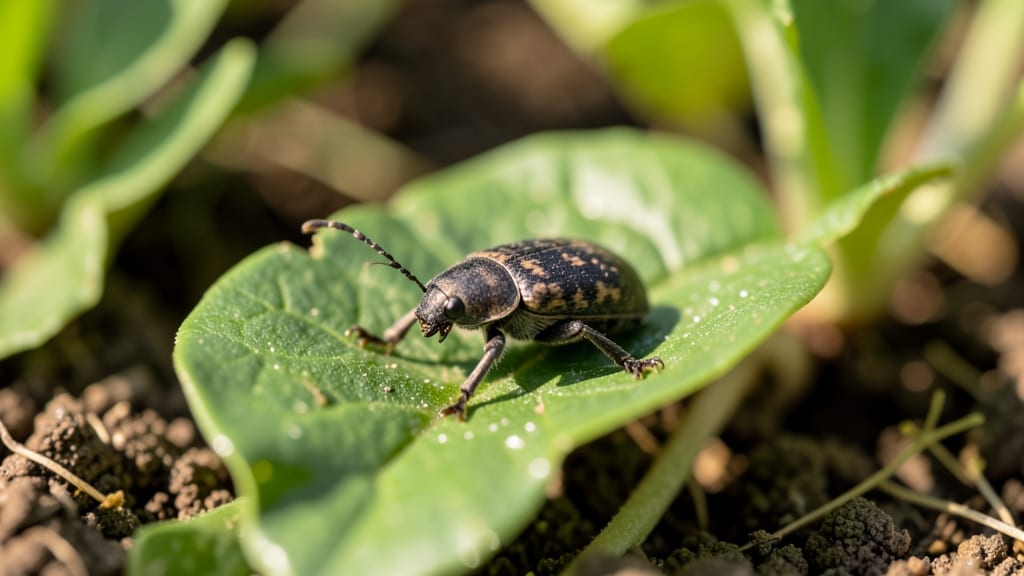
When moles grow in a garden, they tunnel underground to hunt grubs and larvae, damaging plant roots, disrupting soil structure, and creating unsightly mounds while uprooting young seedlings and weakening established plants over time.
Moles create underground tunnels as they search for insects, and their digging habits can wreak havoc on your garden's health. 🌱 Their tunnels break roots, especially for shallow-rooted plants like carrots or lettuce, while the mounds they push up disrupt water drainage and soil aeration.
The constant movement also stresses plants by exposing roots to air and predators. I've seen gardens where mole activity left entire rows of seedlings uprooted overnight—it's a silent but destructive force.
These pests aren't just digging randomly—they're drawn to gardens with rich organic matter, which attracts their insect prey. The damage compounds over time as their tunnels expand, creating a web of destruction beneath your plants.
Understanding their behavior helps you implement targeted control methods before your garden becomes their all-you-can-eat buffet.
💡 In This Article
- How Mole Activity Affects Plant Roots and Soil Health
- Natural and Humane Mole Control Methods for Gardens
How mole activity affects plant roots and soil health
Moles create two distinct tunnel types in gardens: shallow "feeding tunnels" just below the surface (about 2-4 inches deep) and deeper "travel tunnels" (12-18 inches down) where they move between feeding zones.
These feeding tunnels are particularly damaging because they intersect with plant root systems, especially for shallow-rooted crops like lettuce, radishes, and strawberries. When a mole's tunnel collapses or roots are severed during their foraging, plants lose their ability to absorb water and nutrients, leading to wilting or death.
The real damage happens when moles dig near root zones. Their tunneling disrupts the soil's natural structure, creating air pockets that suffocate roots by preventing oxygen exchange.
In heavy clay soils, this disruption can actually make drainage worse—water pools in the disturbed areas instead of draining through intact soil layers. 🌱 What's worse, moles target areas with high insect activity, which often means gardens with rich compost or mulch.
A single mole can create 100 feet of tunnels per week, turning your garden's root zone into a labyrinth of destruction.
Shallow-rooted plants suffer most because their entire nutrient network can be severed by a single tunnel. I've seen tomato plants with their feeder roots completely severed, causing the entire plant to collapse within days.
Even deep-rooted perennials like raspberries show stress when their lateral roots are damaged—they may survive but produce fewer fruits. The mounds they push up also create physical barriers, preventing water from reaching plant bases during irrigation.
Moles don't just dig randomly—they're drawn to gardens with high populations of their favorite foods: earthworms, grubs, and beetle larvae. These insects thrive in gardens with abundant organic matter, which means your compost piles and mulched beds become mole magnets.
The more you amend your soil, the more attractive your garden becomes to moles seeking their insect buffet. This creates a vicious cycle where healthy soil practices can inadvertently invite more mole damage.
Here's what happens beneath the surface: When a mole's tunnel intersects with a root, it creates a clean break that plants can't easily repair. Unlike gophers that eat roots directly, moles don't consume plant material—their damage is purely mechanical.
The severed roots can't transport water and nutrients, causing leaves to yellow and plants to weaken. In severe cases, entire sections of garden can become unsalvageable as the soil structure breaks down completely.
Consider this comparison: A garden with mole activity shows 30-50% more root damage than one without, according to agricultural studies. The tunneling also creates ideal conditions for fungal growth in disturbed soil, adding another layer of stress to already compromised plants.
The visual signs—those classic molehills—are just the tip of the iceberg of what's happening underground.