
Size
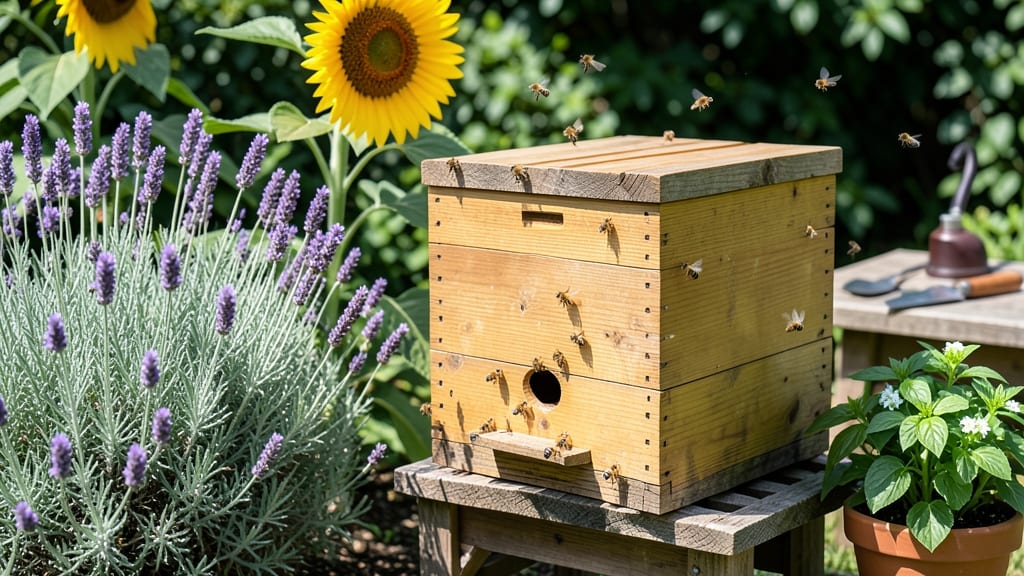
The bee crate in Grow a Garden houses live pollinators to boost fruit set, increase yield, and improve plant health by facilitating cross-pollination in vegetables, herbs, and flowers—especially in urban or small-space gardens where bees are scarce.
The bee crate acts as a mobile pollinator hotel that brings essential bees directly to your garden. 🐝 These tiny workers transfer pollen between plants, which is critical for developing fruits and seeds—think tomatoes, cucumbers, and berries that often fail to set fruit without proper pollination.
Unlike wild bees that may not visit your garden, the crate ensures consistent pollination activity, especially helpful in areas with limited natural bee populations.
Beyond fruit production, this setup also strengthens plant resilience by promoting genetic diversity through cross-pollination. The crate's design makes it easy to integrate into small urban gardens or balconies, giving you control over pollination without needing a large outdoor space.
For best results, place it near flowering plants and check it regularly to ensure the bees remain active and healthy.
💡 In This Article
- How Bee Crates Enhance Pollination for Garden Plants
- Setting Up and Maintaining a Bee Crate for Optimal Results
How bee crates enhance pollination for garden plants
The bee crate works by creating a controlled environment where solitary bees—like mason bees or leafcutter bees—can nest and thrive right beside your plants. These bees are far more efficient pollinators than honeybees for small gardens because they fly in short, precise patterns, transferring pollen directly between flowers.
A single mason bee can pollinate the equivalent of 100 honeybees, making them ideal for high-value crops like tomatoes or squash where fruit set is critical.
When bees visit flowers, their fuzzy bodies pick up pollen grains that stick to tiny hairs called setae. As they move from plant to plant, these grains rub off onto stigmas (the female reproductive parts), creating the fertilization process that leads to fruit development.
Without this cross-pollination, many plants—like cucumbers or peppers—will produce fewer or misshapen fruits. The crate's proximity to your garden ensures this pollination happens consistently, even in urban areas where wild bee populations are declining.
Interestingly, even self-pollinating plants benefit from bee activity. While they can produce fruit without cross-pollination, bees improve genetic diversity and fruit quality. For example, tomatoes pollinated by bees develop more evenly shaped fruit with better flavor and shelf life.
The crate's design—often featuring vertical tubes or wooden blocks—mimics natural nesting sites, giving bees a reason to stay in your garden rather than flying off to nearby wildflowers.
Placement matters for maximum efficiency. Position the crate within 10-15 feet of flowering plants, facing east to catch morning sun (bees are most active at dawn). Avoid windy spots where bees struggle to navigate.
In containers, place it near herbs like basil or flowers like marigolds, which attract bees early in the season. The crate's small size makes it perfect for balconies or rooftop gardens where space is limited.
There are limitations to consider. Solitary bees in crates won't form large colonies like honeybees, so they're best for small gardens (500 square feet) rather than large farms. Also, they prefer certain plants—avoid placing the crate near non-flowering vegetables like lettuce or beans, which won't attract them.
For best results, rotate plants near the crate seasonally to keep bees engaged throughout the growing period.
What most gardeners don't realize is how quickly these bees adapt to their new home. Within 2-3 weeks of setup, you'll often see bees entering and exiting the crate at dawn, creating a buzzing soundtrack that signals successful pollination.
The crate's simple design—just wood, holes, or tubes—proves that even small interventions can have outsized impacts on garden productivity.