
Tools
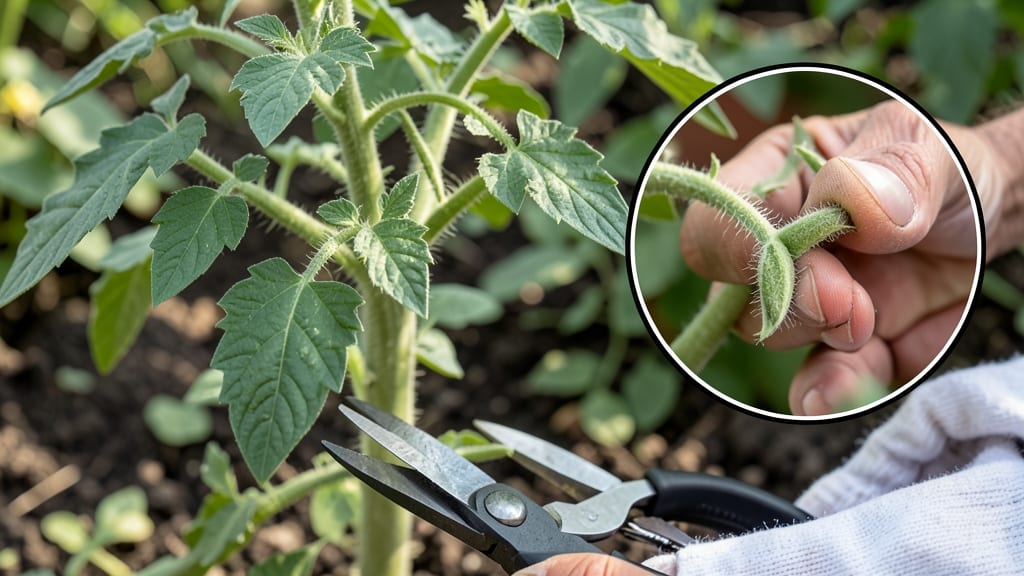
Thinning in gardening means removing excess seedlings to give remaining plants more space, nutrients, and sunlight for stronger, healthier growth and higher yields. It’s a key step after germination to prevent overcrowding and competition.
Thinning seedlings is all about giving your plants room to thrive—literally.
When you leave too many seedlings too close together, they compete fiercely for resources, leading to weak stems, yellowing leaves, and stunted growth. 🌱 Think of it like a crowded classroom where every student fights for attention: eventually, the best-performing ones win, but the others suffer.
The right spacing lets roots spread freely, encourages stronger stems, and reduces the risk of fungal diseases caused by poor air circulation.
Most gardeners thin when seedlings have 2-4 true leaves (not just the initial seed leaves), but timing varies by plant type. For instance, carrots and beets need thinning to 2-3 inches apart, while tomatoes can handle 12-18 inches between plants.
The key is to act before seedlings become root-bound—once they’re too big, removing them can damage the remaining plants.
To do it gently, use small scissors or your fingers to snip seedlings at soil level rather than pulling them out, which can disturb nearby roots. The removed seedlings make great compost or microgreens—waste not, want not!
💡 In This Article
- Why Thinning Seedlings Boosts Plant Health
- Step-by-Step Guide to Thinning Seedlings Properly
Why thinning seedlings boosts plant health
Thinning seedlings isn't just about making your garden look neat—it's a biological necessity for plant survival. When seedlings grow too close, their roots tangle in a desperate competition for water and nutrients in the soil.
This root entanglement creates a race where only the strongest seedlings win, while others become stunted, yellow, and prone to disease.
The science behind this is simple: plants need space to develop strong root systems that can explore deeper soil layers for moisture and nutrients, like a network of underground highways.
Light deprivation is another critical factor. Seedlings growing in dense clusters block sunlight from reaching lower leaves, which forces them to stretch unnaturally toward the light—a phenomenon called etiolation. These elongated stems become weak and leggy, making plants more susceptible to breaking in wind or rain.
Proper spacing allows sunlight to penetrate to all parts of the plant, promoting balanced growth and stronger cell walls. For example, lettuce seedlings thinned to 6-8 inches apart develop more compact, leafy heads compared to crowded plants that bolt prematurely from stress.
Air circulation plays a crucial role in disease prevention. When seedlings are packed tightly, moisture lingers between leaves, creating the perfect environment for fungal diseases like damping-off or powdery mildew. These pathogens thrive in humid, stagnant air, turning vibrant green leaves into brown, mushy messes.
By spacing plants appropriately—typically 2-3 inches for leafy greens to 12-18 inches for tomatoes—you create airflow that dries foliage faster and reduces disease pressure. This isn't just theory; studies show that properly thinned gardens experience up to 30% fewer fungal infections compared to overcrowded plots.
The nutrient depletion effect is equally dramatic. In crowded conditions, seedlings exhaust the available nutrients in their immediate soil zone, leaving them malnourished even if the soil tests rich overall.
When you thin, the remaining plants gain access to a larger volume of soil, allowing their roots to spread and access nutrients from deeper layers. For instance, carrots thinned to 2-3 inches apart develop straighter, sweeter roots because they're not competing with neighbors for phosphorus and potassium. The result?
Healthier plants that produce higher-quality harvests.
What most gardeners don't realize is how thinning affects the plant's hormonal balance. Crowded seedlings produce more ethylene gas, a plant hormone that triggers stress responses like early flowering or leaf drop.
By reducing this hormonal stress through proper spacing, you encourage plants to focus their energy on vegetative growth rather than survival mechanisms. This is why thinned basil plants grow bushier and more flavorful than their crowded counterparts, which often bolt prematurely to set seed.
Consider this visual: imagine two tomato seedlings. One is surrounded by neighbors within 1 inch of its stem, while the other has 12 inches of clear space.
The crowded seedling will develop weak stems, small leaves, and poor fruit set, while the spaced seedling will grow sturdy, vibrant, and capable of supporting 5-10 pounds of tomatoes per plant. The difference isn't just aesthetic—it's physiological, affecting every aspect of plant development from root growth to flower production.