
Planting
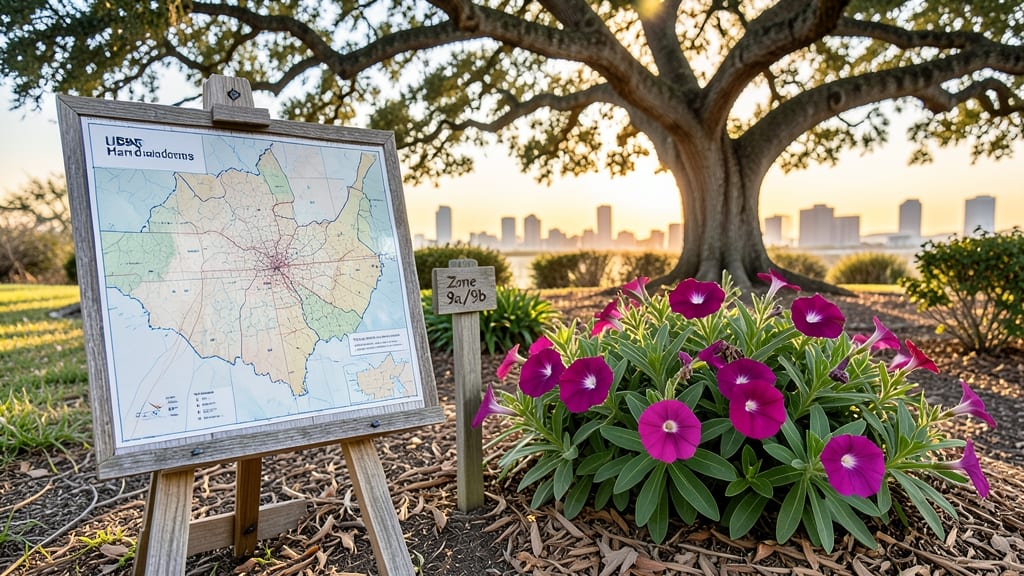
Houston Texas is in USDA Hardiness Zone 8b, where mild winters and hot summers create ideal conditions for year-round gardening with precise frost-free planting windows.
This classification means Houston's average minimum winter temperatures range between 10°F and 15°F, which protects many tropical and subtropical plants from frost damage. 🌿 The city's extended growing season—typically 300+ frost-free days—lets gardeners plant warm-season crops like tomatoes and peppers as early as February and cool-season greens like kale and spinach well into October.
What sets Zone 8b apart is its ability to support both heat-loving and cold-hardy plants simultaneously, though timing remains critical to avoid heat stress or early frost surprises.
For example, while citrus trees thrive year-round, they need protection during rare cold snaps, while sweet potatoes benefit from Houston's long, hot summers. The key is understanding your specific microclimate—urban areas may experience slightly warmer temperatures than rural zones, affecting planting schedules.
💡 In This Article
- Understanding Houston’s USDA Zone 8b Climate and Plant Hardiness
- Houston’s Best Planting and Harvesting Deadlines by Season
Understanding Houston’s USDA Zone 8b climate and plant hardiness
The USDA assigns Houston to Zone 8b based on its average annual minimum temperature of 15°F to 20°F, which occurs roughly once every 5 years. This mild winter range prevents hard freezes that would damage tender plants, creating a unique growing environment.
For comparison, Zone 7a (like parts of Dallas) drops to 0°F to 5°F, limiting cold-hardy options. Houston's proximity to the Gulf Coast also moderates temperatures, with coastal breezes preventing extreme heat spikes in summer.
This classification directly impacts plant survival rates. For instance, citrus trees (like Meyer lemons) thrive in Zone 8b but need winter protection from rare dips below 28°F. Meanwhile, cool-season crops like broccoli can bolt if planted too early, while warm-season staples like okra benefit from Houston's 90+°F summers.
The extended growing season—280-320 frost-free days—lets gardeners grow two full harvests annually, unlike northern zones with shorter seasons.
What most gardeners don't realize is how microclimates within Houston create variations. Urban areas near concrete or asphalt can be 5°F warmer than rural zones, while low-lying areas may experience colder air pooling at night. This is why last frost dates can vary by 2-3 weeks between neighborhoods.
For example, Sugar Land averages its final frost by February 15th, while Conroe (north of Houston) may see frost until March 1st.
Zone 8b's advantages extend to year-round gardening opportunities. While Zone 7b (like Austin) struggles with 200 frost-free days, Houston's longer season allows for continuous planting of warm-season crops like peppers and tomatoes every 6-8 weeks.
Even tropical plants like hibiscus or ginger can overwinter outdoors with minimal protection. The trade-off? Gardeners must stay vigilant about humidity-related diseases (like powdery mildew) and heat stress in summer.
Here's how to leverage this zone effectively:
- Winter protection: Use frost cloth for tender perennials during rare cold snaps below 28°F
- Summer shade: Provide afternoon shade for heat-sensitive plants like basil or lettuce
- Succession planting: Stagger warm-season crops every 3 weeks for continuous harvests