
Tools
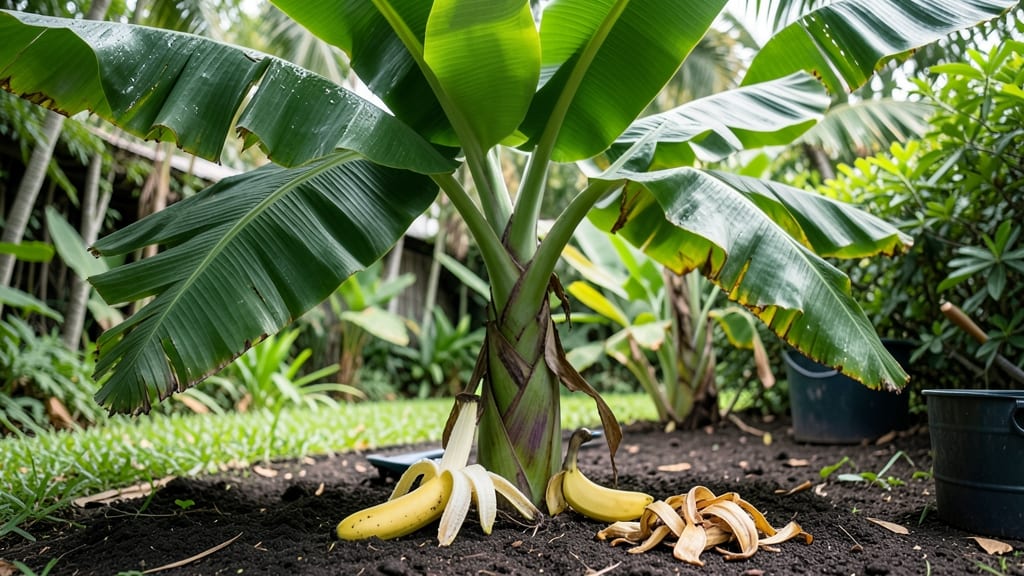
What happens if you put bananas in your garden? They act as a natural soil booster that increases potassium levels, enhances beneficial microbial life, and repels common garden pests like aphids and ants through their natural sugars. The peels decompose slowly, creating a nutrient-rich environment perfect for acid-loving plants.
Banana peels break down gradually, releasing potassium—a key nutrient that helps plants develop strong roots and vibrant foliage. 🌱 The natural sugars in the fruit also attract earthworms and beneficial bacteria, improving soil structure and nutrient cycling.
For pest control, crushed peels create barriers that deter ants and slugs, while the potassium helps plants build natural defenses against common garden invaders.
What's particularly interesting is how banana peels benefit different plant types. Acid-loving varieties like blueberries and azaleas thrive with this nutrient boost, while vegetables like tomatoes and peppers show improved fruit production.
The best results come from burying peels directly in planting holes or composting them with other organic matter for a balanced fertilizer effect.
💡 In This Article
- How Banana Peels Improve Soil Fertility
- Creative Ways to Use Bananas for Pest Control
How banana peels improve soil fertility
When you bury banana peels in your garden, they undergo a natural decomposition process that releases essential nutrients over time. The peels contain potassium (K)—about 220-400 mg per peel—which helps plants develop strong cell walls and resist drought.
This potassium release happens gradually as soil microbes break down the peel's cellulose and pectin fibers, creating a slow-release fertilizer effect that lasts 2-4 weeks depending on soil conditions.
The breakdown process also stimulates microbial activity. Banana peels contain natural sugars that feed beneficial bacteria and fungi, which in turn accelerate nutrient cycling. Studies show that gardens amended with banana peels can see a 30-50% increase in beneficial microbial populations within 4-6 weeks.
This microbial boost improves soil structure by producing sticky substances called glomalin that bind soil particles together, creating a looser, more aerated growing medium.
For acid-loving plants, banana peels provide an additional advantage. As they decompose, they slightly lower soil pH by releasing organic acids, making them ideal for blueberries, azaleas, and gardenias.
The peels' phosphorus content (10-20 mg per peel) also supports root development, while trace minerals like magnesium and calcium become available as the peel breaks down. The key is proper placement—burying peels 2-3 inches deep near root zones maximizes nutrient uptake.
Different plant types absorb these nutrients at varying rates. Leafy greens like lettuce and spinach show visible growth improvements within 7-10 days due to rapid potassium uptake, while fruiting plants like tomatoes may take 3-4 weeks to show increased yield.
The peels' high water content also helps maintain soil moisture, reducing irrigation needs by up to 15-20% during dry periods.
What makes banana peels particularly effective is their dual-action nutrient release. The outer peel layer decomposes first, providing an immediate potassium boost, while the inner fiber-rich sections break down more slowly, creating a balanced nutrient release over time.
This two-phase decomposition mimics the natural nutrient cycling found in forest ecosystems, where fallen fruit gradually enriches the soil.
For best results, combine banana peels with other organic matter like coffee grounds or eggshells. The combination creates a nutrient cocktail that supports both microbial activity and plant growth. The peels' natural compounds also help suppress harmful pathogens, creating a healthier root zone environment.