
Diseases
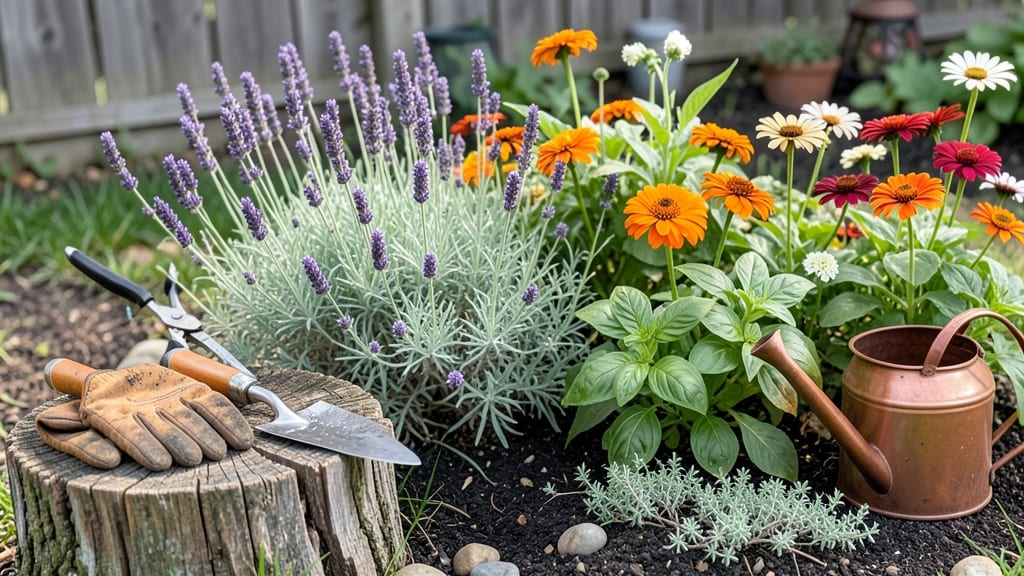
A gardener is someone who cultivates plants, maintains soil health, and tends to outdoor or indoor green spaces to produce flowers, vegetables, or decorative landscapes for aesthetic, nutritional, or ecological purposes.
A gardener does far more than just plant seeds—they're essentially plant caretakers who understand the delicate balance between nature and nurture. 🌱 From testing soil pH to battling pests organically, their daily work blends science with creativity.
Whether it's coaxing tomatoes to vine in backyard gardens or designing drought-resistant landscapes, gardeners constantly adapt to seasons, weather, and plant needs. The best ones I've met treat their gardens like living ecosystems, where every leaf and root plays a role in the bigger picture.
What sets great gardeners apart is their problem-solving mindset. They don't just follow rules—they observe, experiment, and learn from failures. For example, when my first peonies failed to bloom, I discovered it was because they needed more sunlight, not more water.
That's when I realized gardening is equal parts art and science, requiring both patience and precision. The skills they develop—like composting, pruning techniques, and reading plant signals—make them invaluable stewards of green spaces, whether working professionally or just in their own yards.
💡 In This Article
- Core Responsibilities of a Gardener Beyond Planting
- Essential Skills Every Gardener Needs to Master
Core responsibilities of a gardener beyond planting
At its heart, gardening is a science of relationships—between plants, soil, water, and the environment. A gardener's first responsibility is understanding these connections. Take soil health, for example: the ideal garden soil contains 45% minerals, 5% organic matter, 25% water, and 25% air by volume.
When these ratios are off, plants show it through stunted growth or yellowing leaves.
I once tested my garden soil and found it was 6.8 pH—too alkaline for my blueberries, which need 4.5-5.5—so I amended it with sulfur and peat moss over three months to create the right conditions. 🌱
Beyond soil, gardeners act as pest detectives. They monitor for aphids (which suck plant juices), fungal spores (like powdery mildew), and even beneficial insects (like ladybugs). The key is intervention before problems escalate.
For instance, a single tomato hornworm can devour a plant overnight, but catching it early with neem oil spray prevents total loss. Seasonal cycles also dictate work—spring focuses on planting and mulching, while fall involves pruning perennials and harvesting seeds. This rhythm keeps gardens productive year-round.
Sustainability is another core responsibility. Gardeners practice water conservation by installing drip irrigation systems (which use 30-50% less water than sprinklers) or collecting rainwater. They also create habitats for pollinators by planting native wildflowers, which support 30% more bee species than non-native varieties.
The goal isn't just pretty plants—it's maintaining ecosystems where everything thrives together. Even container gardeners on balconies contribute by growing herbs that deter pests naturally.
What most people overlook is the record-keeping aspect. Successful gardeners track planting dates, weather patterns, and plant performance in journals or apps. This data helps predict when to start seeds indoors (typically 6-8 weeks before last frost) or which varieties perform best in their microclimate.
For example, my notes showed that 'Cherokee Purple' tomatoes outperform others in my Zone 7b climate, saving me from trial-and-error losses. 📝
Finally, gardeners act as educators—whether teaching kids about worm composting or sharing tips at community gardens. They demonstrate how to propagate plants from cuttings (like mint or coleus) or how to build raised beds from recycled materials.
This knowledge-sharing extends the garden's impact far beyond its physical boundaries, creating a ripple effect of green stewardship.
Every task, from soil testing to pest management, serves a purpose in the garden's health. The best gardeners don't just follow instructions—they observe, adapt, and turn challenges into opportunities. That's how a simple plot becomes a thriving ecosystem. ✨