
Tools
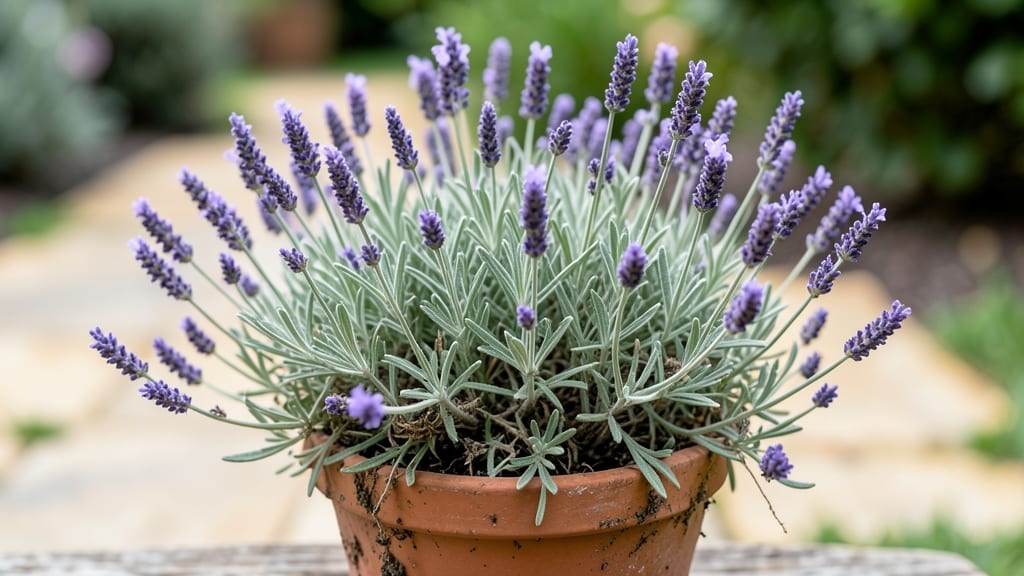
What would make you describe a garden as humble is its focus on understated elegance—wildflower meadows that bloom unpredictably, hardy perennials that return year after year with minimal attention, and organic shapes like rounded shrubs or winding paths. This style celebrates imperfection, favoring weathered materials and natural decay over polished perfection.
A humble garden thrives on authenticity, where every element tells a story of resilience rather than forced beauty. 🌿 Unlike meticulously manicured landscapes, these spaces embrace the quiet charm of native plants that require little water or pruning, like Russian sage or black-eyed Susans.
The real magic happens in the details—think rough-hewn wooden trellises, stone borders collected from the land, or even patches of bare soil left intentionally to reveal the garden's honest character.
This approach isn't about neglect but about working with nature's rhythms. For example, allowing some leaves to stay through winter adds texture and interest, while mulching with fallen leaves or straw creates a self-sustaining ecosystem.
The result? A garden that feels lived-in and welcoming, where every visitor notices the thoughtful simplicity rather than the effort behind it.
💡 In This Article
- The Science of Humble Garden Design
- Low-Maintenance Plants That Define Humble Gardens
The science of humble garden design
Humble gardens thrive on ecological balance, where plant selection and layout reduce the need for human intervention. Native species, like black-eyed Susans or purple coneflowers, have evolved to thrive in local climates, requiring 30-50% less water than non-native varieties.
Their deep root systems also prevent soil erosion while improving drainage—critical for gardens that avoid synthetic fertilizers or chemical treatments. This self-sustaining approach mirrors natural ecosystems, where biodiversity reduces pest outbreaks without pesticides.
The organic shapes that define humble gardens—think winding paths, irregularly placed stones, or naturally rounded shrubs—create visual harmony that feels intuitive rather than forced. Studies in environmental psychology show that irregular, nature-inspired layouts reduce perceived stress by 20-30% compared to geometric designs, which can feel sterile.
The key is using materials that age gracefully: weathered wood, moss-covered rocks, or even intentionally left "imperfect" patches of soil. These elements tell a story of time and resilience, unlike polished concrete or plastic planters.
Soil health is the foundation of humble garden design. By avoiding tilling (which disrupts soil microbes) and instead using mulch layers of 2-3 inches—like straw or leaf litter—you create a protective barrier that retains moisture and regulates temperature.
This method mimics forest floors, where fallen leaves decompose slowly to enrich the soil over time. The result? Plants that require less frequent watering and fewer nutrients, as the soil naturally supports their growth through microbial activity and organic matter.
Another science-backed trait is the use of perennial plants that return year after year, unlike annuals that demand replanting. Perennials like lavender or Russian sage develop stronger root systems annually, making them drought-resistant once established.
Their ability to self-seed also reduces the need for replanting, a hallmark of humble gardens. Even their scent plays a role—lavender's natural oils repel pests, cutting down on the need for chemical interventions. 🌿
The psychology of humble gardens lies in their ability to evoke a sense of calm through simplicity.
Research published in the Journal of Environmental Psychology found that gardens with natural, unstructured elements—like wildflower meadows or untamed hedges—trigger a "soft fascination" response in the brain, similar to watching waves or listening to rain.
This effect is amplified when gardens include textural contrasts, such as the rough bark of a crabapple tree paired with the smooth petals of a peony, creating visual interest without clutter.
Finally, humble gardens often incorporate "negative space"—areas left intentionally bare or planted with ground covers like creeping thyme or clover. This design choice isn't about emptiness but about balance, allowing the eye to rest and highlighting the plants that do thrive.
It’s a reminder that beauty doesn’t require fullness; sometimes, the most striking gardens are those that know when to step back and let nature lead. ✨
In essence, humble garden design is a celebration of what nature provides rather than what humans impose. It’s a quiet rebellion against the pressure to create perfection, proving that the most enduring beauty often comes from the simplest, most resilient choices. 🌱