
Plants
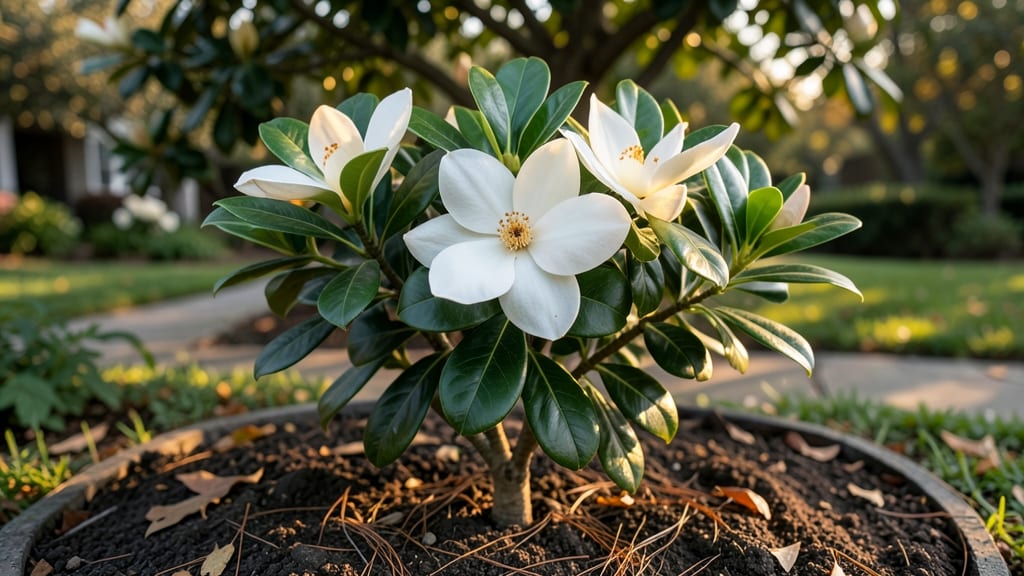
A gardenia plant blooms between late spring and early summer — typically May through July — but the exact timing depends on your climate zone and care routine.
If you’ve ever waited eagerly for your gardenia plant to burst into fragrant white blooms—only to be left wondering why it’s taking so long—you’re not alone.
The timing of gardenia flowers depends entirely on your climate zone, and missing these key windows could mean waiting another full year for that sweet, intoxicating scent.
In USDA Zone 6a, where gardenias thrive, blooms usually arrive in June after the soil warms and days lengthen. But in warmer zones like Florida or Southern California, you might see flowers as early as April or as late as August, depending on rainfall and humidity.
Below, I’ll break down the exact months to expect blooms in your area, plus three proven care tweaks to coax earlier or more abundant flowers—no guesswork required.
Gardenia bloom timing by USDA climate zones: exact months to expect flowers
Gardenia plants are famous for their intoxicating fragrance and glossy green leaves, but their bloom timing varies dramatically depending on your USDA climate zone.
In cooler zones like Zone 7, you’ll see flowers in late spring, while in warm Zone 11, gardenias may bloom year-round with proper care. Understanding these differences helps you set realistic expectations and adjust your care routine for peak performance.
Temperature plays the biggest role in triggering gardenia blooms. These tropical shrubs need a warmth threshold—typically 65°F+ consistently—to form buds. In northern zones, cooler springs delay blooming until summer, while southern zones may experience multiple bloom cycles.
Regional variations also matter: Florida gardenias often bloom earlier than those in California’s coastal climates due to humidity differences.
Here’s a detailed breakdown of when to expect gardenia blooms across USDA Zones 7-11, including early, peak, and late-season windows:
In Zone 7, gardenias typically bloom from June to July, with early buds forming in late May once soil temperatures reach 60°F+. If your plant skips blooming, check for insufficient sunlight—gardenias need 6+ hours of morning sun to trigger flowering.
In Zone 8, the peak bloom period shifts to May–June, but a second flush often appears in July–August if humidity stays high.
Gardeners in Zones 9-11 enjoy longer bloom seasons. In Zone 9, expect blooms as early as April, with a late-season flush in September–October. Florida gardenias in Zone 10 may bloom year-round, though fragrance intensity drops in summer’s heat.
For Zone 11, blooms align with spring and fall when temperatures are moderate, while summer’s high heat can reduce flowering.
Adjusting care based on your zone can shift bloom timing. For example, pruning in early spring encourages earlier blooms in Zone 7, while increasing humidity (via misting or pebble trays) helps Zone 10 gardenias bloom more heavily in summer.
Always use acidic fertilizer (pH 5.0–6.5) to support bud formation, regardless of your zone.
If your gardenia isn’t blooming on schedule, check for these common issues: over-fertilizing with nitrogen (promotes leaves, not flowers), low humidity (especially in Zone 7), or root-bound pots. Repotting or adjusting your watering routine can often reset the plant’s bloom cycle for the next season.
Pro tip: Use a digital thermometer to track nighttime temperatures. Gardenias need consistent warmth above 60°F to set buds, and cooler nights in Zone 8 can delay blooming until July.
In Zone 11, provide afternoon shade to protect blooms from intense summer sun, which can cause buds to drop prematurely.
🌸
How to predict your gardenia’s bloom time using light and temperature cues
Gardenia plants communicate their bloom schedule through subtle but clear signals—if you know what to watch for. The key lies in understanding how temperature shifts and light exposure trigger their flowering cycle.
Most gardenias need consistent warmth (between 65°F-75°F) and bright indirect light to form buds, but timing varies by region.
Start by observing your gardenia’s leaf color and bud formation in late winter. Darker green leaves paired with small, tight buds typically mean blooms will arrive in 4-6 weeks.
If your plant shows pale leaves or no buds by March, it may need more light or warmth to kickstart its cycle.
🌱
🌸 Gardenia Bloom Forecast Chart
| Signal | Expected Bloom Window | Action |
|---|---|---|
| Bud formation (March) | April-May | Increase humidity and fertilizer |
| Leaf darkening (February) | March-April | Move to brighter light if indoors |
| No buds by April | Delayed (June-July) | Check soil pH (should be 5.0-6.5) |
💡 Pro Tip: Use a temperature-light journal to track daily conditions—most gardenias bloom when average temps hit 70°F+ for 2+ weeks.
For gardeners in cooler climates (Zones 7-8), blooms often arrive 2-3 weeks later than in warmer regions. If your gardenia sits in a shady spot, it may delay budding until summer heat naturally increases light intensity.
Try moving potted gardenias to a south-facing window or under a grow light for 6 hours daily to encourage earlier blooms.
Delayed blooming? Check these three common causes:
- Insufficient light (gardenias need bright indirect light)
- Low humidity (ideal range: 50-70%)
- Improper pruning (cut back after blooming, never in winter)
🌿 Once buds form, maintain consistent moisture—drought stress can cause buds to drop. Water deeply every 3-5 days and mulch to retain soil moisture. With the right conditions, your gardenia will reward you with 2-3 weeks of fragrant blooms twice a year!