
Fertilization
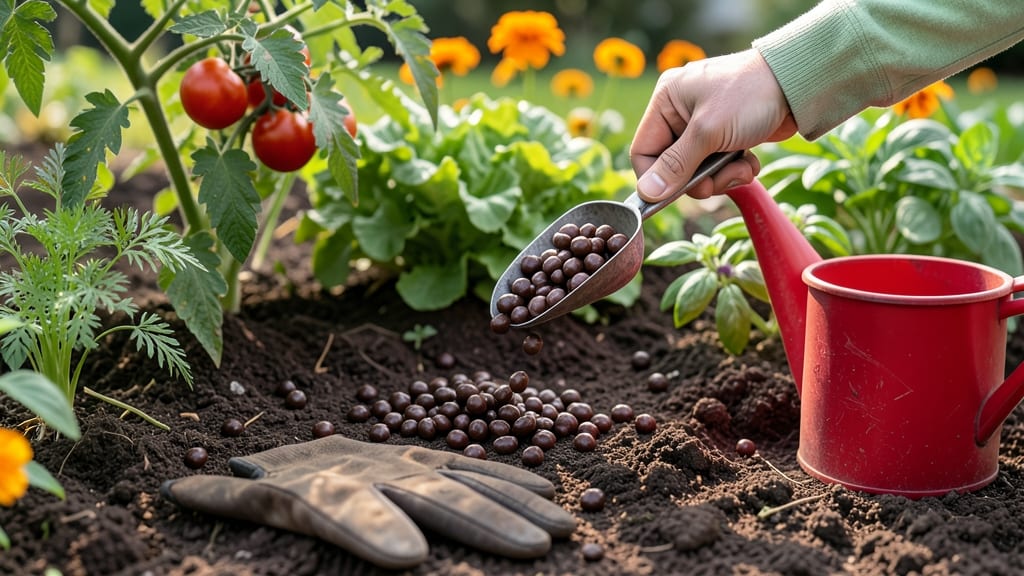
To fertilize your garden effectively, time applications based on soil tests and crop needs: apply in early spring before planting, mid-season for flowering plants, and late summer for fall crops. Avoid fertilizing dormant plants or during extreme heat.
Timing matters because soil nutrients fluctuate with seasons and plant growth cycles. 🌱 A spring application kickstarts root development before planting, while mid-season boosts flowering plants like tomatoes or roses. Late summer preps fall crops for winter dormancy, but never fertilize when plants are stressed—like during drought or freezing temperatures.
I always check my soil's pH and nutrient levels first, as these determine exactly what my plants need and when.
For example, leafy greens respond best to nitrogen-rich feeds in early spring, while fruiting plants like peppers need phosphorus-heavy fertilizers mid-season. The key is matching fertilizer types to each plant's growth stage, not just applying the same mix year-round.
This targeted approach prevents waste and ensures stronger, healthier plants throughout the growing season.
💡 In This Article
- Soil Test Timing for Optimal Garden Fertilization
- Crop-Specific Fertilizer Application Schedules
Soil test timing for optimal garden fertilization
Soil tests reveal nutrient levels and pH balance, which directly influence when you should fertilize. 🌱 Most nutrients like nitrogen, phosphorus, and potassium deplete over time, but microbial activity in soil accelerates their breakdown during warmer months.
Testing in early spring (just before planting) gives you a baseline to determine if your soil needs a nitrogen boost for leafy greens or phosphorus for root crops.
For example, a soil test showing low phosphorus (<30 ppm) suggests applying a bone meal fertilizer in early spring to support strong root development before planting.
The microbial ecosystem in your soil also peaks in late spring and early summer, which is when plants most efficiently absorb nutrients. This is why mid-season applications work best for flowering plants—tomatoes and roses, for instance, need phosphorus-heavy fertilizers when they start blooming to encourage fruit and flower production.
A soil test can tell you if your soil's pH is too acidic (below 6.0) or alkaline (above 7.5), which affects nutrient availability. For instance, acidic soil locks out phosphorus, so applying a lime-based fertilizer in late winter can adjust pH before planting.
Root growth phases are another critical factor. Young plants in early spring need readily available nitrogen for foliage growth, while established plants in late summer benefit from potassium to strengthen cell walls for winter resilience.
A soil test can show you if your soil retains nutrients well (high organic matter) or if you need slow-release fertilizers to prevent leaching during heavy rains. For example, sandy soils often require more frequent, smaller applications because nutrients wash away quickly.
Timing also depends on your climate. In warmer regions, fertilizing in early spring (March-April) might mean plants are already actively growing, so you'll want to apply fertilizer just as new growth begins.
In cooler climates, waiting until after the last frost (around May) ensures the soil is warm enough for microbial activity to break down fertilizers efficiently. Extreme heat or drought stress can also halt nutrient uptake, so always check soil moisture before applying fertilizer.
What most gardeners overlook is how soil temperature affects nutrient availability. For instance, nitrogen becomes more available when soil temperatures reach 50°F, while phosphorus uptake peaks at 77°F. This is why early spring applications focus on nitrogen, while mid-season boosts often include phosphorus and potassium blends.
Using a soil thermometer can help you time applications perfectly for your region's climate patterns.
Finally, consider the type of fertilizer you're using. Synthetic fertilizers release nutrients quickly, so they're best applied in early spring or mid-season when plants can use them immediately. Organic fertilizers, like compost or manure, break down slowly and are ideal for late summer applications to build soil health over time.
Always match your fertilizer type to the season and your soil test results for the best outcomes. 🌿