
Planting
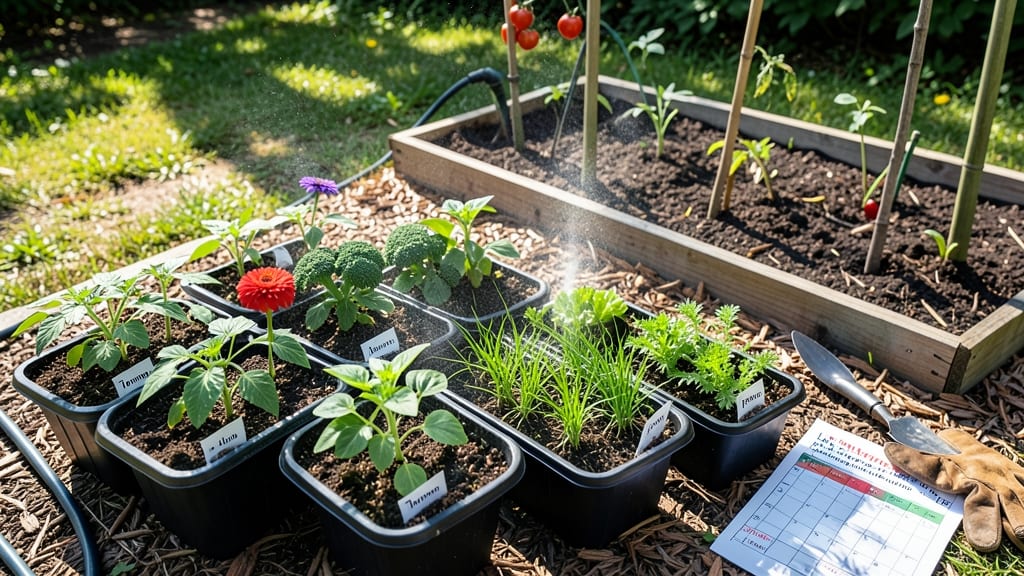
Planting your garden in East Tennessee at the right time means the difference between a bumper crop and a sad, wilted disappointment — and the clock starts ticking after your last frost.
East Tennessee’s unique climate—with its chilly mountain air and unpredictable spring shifts—can turn gardening success into a guessing game if you plant at the wrong time. But timing your garden right ensures stronger roots, healthier plants, and a harvest that lasts from summer through fall.
In this guide, I’ll break down the best months to plant vegetables, flowers, and perennials by USDA Zones 6b-7a, including frost dates, soil prep tips, and the one trick to extend your growing season.
Whether you’re a first-time gardener or a seasoned pro, you’ll learn how to align your planting schedule with East Tennessee’s unpredictable weather for the most successful garden yet.
East Tennessee frost dates & safe planting windows by Zone
East Tennessee’s USDA Zones 6b-7a create a gardening Goldilocks zone—not too hot, not too cold, but with unpredictable frost patterns that can catch even experienced gardeners off guard.
The average last frost date typically falls between April 15 and May 1, but mountain valleys can delay warmth by 2-3 weeks. Knowing these dates helps you avoid planting warm-season crops too early or cool-season veggies too late.
Local microclimates—like higher elevations in the Smokies or urban heat islands in Knoxville—can shift frost dates by 10 days or more. That’s why I always check the Almanac’s frost calculator (link in resources) and adjust my planting timeline.
For example, Zone 7a areas like Johnson City might see frost-free soil by April 20, while Zone 6b spots near the Blue Ridge could wait until May 5.
Here’s the 10-day rule I swear by: For warm-season plants like tomatoes and peppers, wait 10 days after your average last frost before transplanting seedlings. This buffer accounts for late cold snaps and gives young plants time to establish roots before summer heat arrives.
Pro tip: Use biodegradable seedling pots to minimize transplant shock during this critical window.
The first frost usually hits between October 15 and November 1, but early October frosts aren’t uncommon in Zone 6b.
This means fall planting of kale, spinach, and radishes can start as early as mid-September, while warm-season crops like basil should be harvested or potted up by mid-September to avoid frost damage.
Heat waves in late spring (like the 2023 Memorial Day heat dome) can stress young plants, so I always harden off seedlings for 7-10 days before transplanting. For container gardens, this means moving pots outside during the day and bringing them in at night for the first week.
Now, let’s break down the safe planting windows by zone and crop type in this quick-reference table:
| Zone & Location | Avg Last Frost | Safe for Warm Crops | Fall First Frost | Notes |
|---|---|---|---|---|
| Zone 6b (e.g., Asheville, Bristol) | May 1 - 5 | May 15 - 20 | Oct 15 - 20 | Mountain valleys run 1-2 weeks later. |
| Zone 7a (e.g., Knoxville, Johnson City) | April 20 - 25 | May 5 - 10 | Oct 25 - Nov 1 | Urban areas may warm 3-5 days earlier. |
| All Zones: High Elevations (>2,000ft) | May 10 - 15 | May 25 - June 1 | Oct 5 - 10 | Use row covers for early spring planting. |
| All Zones: Low Valleys (<1,500ft) | April 10 - 15 | April 30 - May 5 | Oct 20 - 25 | Watch for late spring frosts in April. |
For direct-sown seeds, like beans, peas, and lettuce, you can plant 2 weeks before your last frost date since they’re more frost-tolerant. But for transplants, like tomato and pepper seedlings, stick to the 10-day rule after your average last frost.
I’ve learned this the hard way—planting tomato seedlings too early in Zone 6b once led to blackened leaves after a late April frost.
If you’re unsure about your local frost dates, use the Almanac’s Frost/Freeze Calculator (link in resources) and plug in your elevation and ZIP code. This tool adjusts for your specific microclimate, which is especially useful if you live in a valley or on a mountain slope.
For example, my garden in Zone 7a Knoxville runs 5 days earlier than the official average because of our urban heat island effect.
Remember: Soil temperature matters more than air temperature. Use a soil thermometer to confirm 50°F for cool-season crops and 60°F+ for warm-season plants. Cold soil can stunt growth even if the air feels warm. I’ve seen tomato seedlings sit for weeks in 5
Best planting months for East Tennessee vegetables, flowers & herbs
Timing your garden in East Tennessee is all about reading the mountain microclimates and frost dates. The region’s USDA Zones 6b-7a mean cool springs and warm summers, but late frosts can sneak in until mid-April.
I’ve learned the hard way—planting tomatoes too early leads to sad, blackened seedlings! The key is balancing seedling transplants with direct sowing windows.
For cool-season crops like kale and spinach, I start seeds indoors in February and transplant after the last frost. Warm-season lovers like peppers and basil?
Wait until mid-May when soil temps hit 65°F. Perennials like lavender thrive when planted in early spring or fall, giving roots time to establish before extreme weather.
- 🌱 February-March: Start cool-season veggies (kale, spinach) indoors. Transplant onion sets and peas after last frost.
- 🌿 April: Direct sow carrots, lettuce, radishes once soil warms to 50°F. Plant perennials like asparagus.
- ☀️ May-June: Transplant tomatoes, peppers, basil after Memorial Day (avg. last frost). Sow beans, cucumbers directly.
- 🌻 July-August: Succession plant fall crops (broccoli, cabbage). Start winter squash seeds for late harvests.
- 🍂 September-October: Plant garlic, onions, cover crops. Transplant cool-season flowers (pansies, snapdragons).
My biggest tip? Use the 10-day rule for warm-season transplants. If night temps dip below 55°F, cover seedlings with frost cloth or delay planting. I’ve saved multiple tomato batches this way! For herbs like cilantro, direct sow in early spring or fall—it bolts in summer’s heat.
East Tennessee’s fall planting is often overlooked but gold for leafy greens. I sow spinach in September for a winter harvest, using row covers to protect from light frosts. The soil stays warmer longer than you’d expect, giving plants a fighting chance.
Don’t forget perennials! Plant roses, daylilies, and lavender in early spring or fall for best root establishment. I’ve seen lavender planted in summer struggle—it needs time to acclimate before heat stress sets in.
Pro move: Mark your calendar for Memorial Day weekend—it’s my unofficial warm-season kickoff. By then, the mountain air has warmed enough for tomatoes and peppers to thrive without constant babying. Happy planting! 🌱