
Propagation
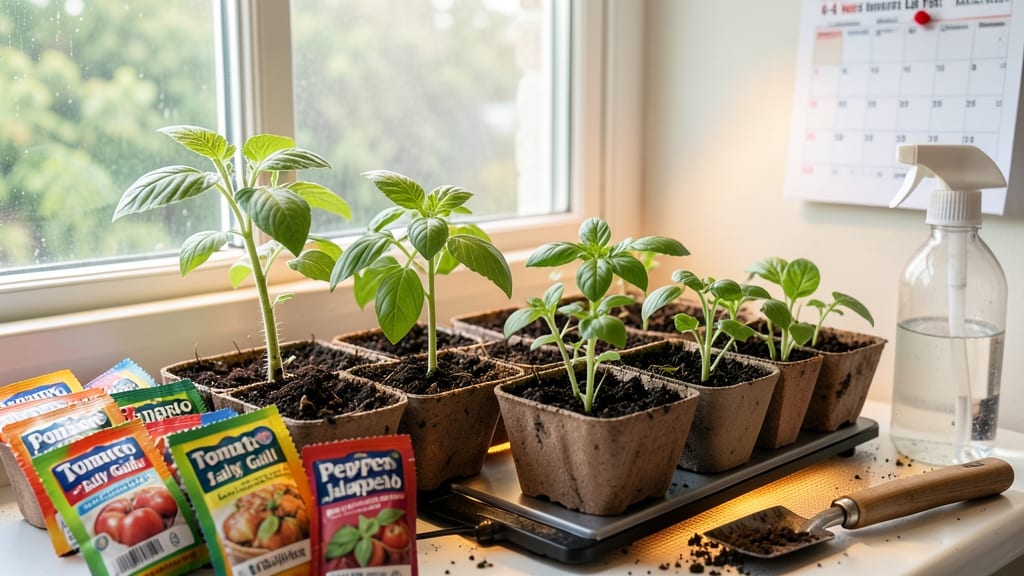
To start seeds for a spring garden, calculate 4-8 weeks before last frost for cool-season crops like lettuce or broccoli, and 6-12 weeks before last frost for warm-season plants such as tomatoes or peppers. Always verify your local frost dates for accurate timing.
Timing your seed starting is all about matching your plants' needs with your climate. Cool-season crops thrive in cooler temperatures, so they need an early head start to mature before summer heat arrives.
Warm-season plants, however, require consistent warmth to germinate and grow, which is why they need more indoor time. 🌱 I've found that using a seed-starting calculator with your zip code takes the guesswork out of planning—it automatically adjusts for your specific last frost date and daylight hours.
Beyond just weeks, consider your indoor setup. Seedlings need 12-16 hours of light daily to prevent legginess, and maintaining 65-75°F soil temperatures helps speed up germination. If your windows don't get enough sunlight, grow lights or a sunny windowsill with a heat mat can make all the difference.
Starting too early or too late can lead to weak seedlings or plants that bolt before they're ready to harvest.
💡 In This Article
- Calculating Seed Starting Dates by Crop Type
- Local Frost Dates and Seed Starting Tools
Calculating seed starting dates by crop type
Seed starting timing hinges on two critical factors: your crop's maturity rate and your local last frost date. Cool-season vegetables like broccoli, cabbage, and spinach typically need 8-10 weeks of growth before transplanting, which means you should start them indoors 8-10 weeks before your average last frost date.
This timing accounts for their ability to tolerate cooler temperatures and even light frosts after transplanting. Warm-season plants like tomatoes and peppers, however, require 6-12 weeks indoors because they're sensitive to cold and need consistent warmth to thrive. 🌱
The science behind this involves photoperiodism—the plant's response to daylight length. Cool-season crops often germinate best when days are shorter (fall or early spring), while warm-season plants need longer daylight hours to trigger flowering.
For example, basil seeds germinate best at 70-75°F soil temperatures and prefer 2-4 weeks of indoor growing before transplanting, as they're sensitive to frost but mature quickly.
Tomatoes, on the other hand, need 5-6 months from seed to harvest, so starting them 10-12 weeks before last frost ensures they'll produce fruit before summer's end.
Daylight hours also impact seedling health. Most vegetables need 12-16 hours of light daily to prevent leggy, weak growth. If your seedlings aren't getting enough natural light, supplement with grow lights positioned 2-3 inches above the plants.
Without adequate light, seedlings stretch toward any available source, becoming tall and spindly—a condition called etiolation. This makes them vulnerable to breaking and slows their overall development. 💫
Another key consideration is soil temperature. Cool-season crops like peas and lettuce germinate best at 60-70°F, while warm-season plants such as cucumbers and squash need 75-85°F soil to sprout. Using a heat mat can help maintain optimal temperatures, especially in cooler climates.
For instance, in Zone 5 (where winters are harsh), starting tomatoes 8-10 weeks before last frost gives them enough time to mature before the first fall frost arrives, typically in late September or early October.
Herbs add another layer of complexity. Fast-growing herbs like cilantro and dill can be direct-sown 2-4 weeks before last frost, while slower growers like rosemary and thyme benefit from an 8-10 week indoor head start. The rule of thumb is to match the herb's maturity time to your growing season.
For example, rosemary takes 6-8 months to reach full size, so starting it early ensures it has time to establish before winter sets in. 🌿
Flowers follow similar principles. Annuals like marigolds and zinnias can often be direct-sown 2-4 weeks before last frost, while perennials like lavender or coneflowers may need 10-12 weeks indoors to develop strong roots before transplanting.
The key is understanding each plant's specific needs—whether it's cold-hardy, frost-sensitive, or somewhere in between. This precision ensures your garden thrives from the first seed to the final harvest.