
Planting
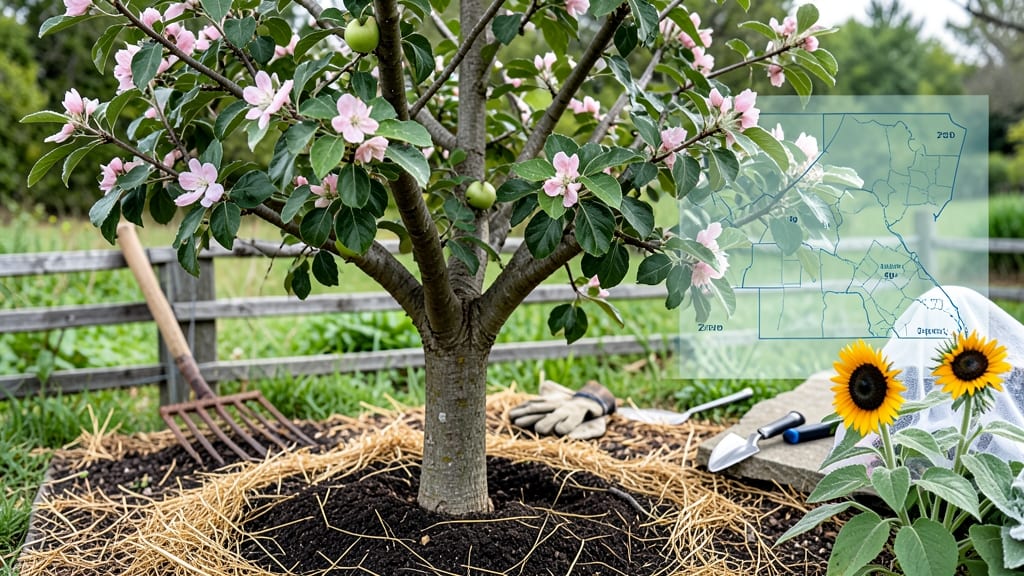
Zone 5b gardening demands precise timing because last frost dates typically fall between April 15 and May 15, with lingering cold snaps possible through June. Frost-sensitive plants like tomatoes and peppers should begin indoors 6-8 weeks before your last frost date, while cold-hardy vegetables can go directly into the ground as early as late March or April. Always check local weather updates and use protective covers to shield young plants from unexpected late frosts.
Mastering Zone 5b gardening means working with nature's unpredictable timing—especially those sneaky late frosts that can sabotage your hard work. 🌱 The key is balancing USDA hardiness zones with your specific microclimate, since urban areas often warm up faster than rural spots.
I've found that starting seeds indoors gives you that critical edge, while row covers can buy you extra weeks of growing time for tender plants. For example, spinach and peas thrive when planted in early spring, but basil and cucumbers need to wait until all danger of frost has passed.
What separates successful Zone 5b gardeners is their ability to adapt. Instead of rigid deadlines, I track local frost history and adjust planting dates accordingly. A cold snap in late May can devastate unprotected tomato plants, so I always keep frost cloth ready.
The payoff? A longer growing season packed with homegrown produce that beats store-bought quality every time.
💡 In This Article
- Understanding Zone 5b Frost Patterns and Plant Hardiness
- Zone 5b Planting Calendar: When to Start Seeds Indoors vs Outdoors
Understanding Zone 5b frost patterns and plant hardiness
Zone 5b's frost patterns are shaped by three key factors: elevation, urban heat islands, and local topography. Higher elevations experience later frosts because cooler air settles in valleys, while urban areas often warm 5-10°F faster than rural zones due to concrete absorbing heat.
This creates microclimates where your neighbor's garden might be frost-free while yours still faces risks. For example, Denver's downtown can be 15°F warmer than its outskirts by late spring.
The USDA hardiness zone (5b) tells you the coldest average winter temperatures your area can handle, but it doesn't predict frost-free dates.
That's why you need to track local frost history—some Zone 5b areas in the Midwest may see last frosts by May 1, while mountain regions could face them until June 10. Plant hardiness zones (like tomatoes' Zone 10) must align with your frost-free window.
A tomato seedling started too late for your area's 10-12 week growing season won't mature before frost.
Here's how to match plants to your microclimate: Start by identifying your frost-free date (check local weather stations for 30-year averages). Then subtract the plant's days-to-maturity from that date.
For instance, if your last frost is May 20 and you're growing 70-day tomatoes, you have until August 10—but late frosts could push that back to July 20. This is where row covers become your secret weapon, extending the season by 2-4 weeks.
What most gardeners overlook is how soil temperature affects planting. Even after air temperatures warm, cold soil can delay germination. Use a soil thermometer—most cool-season crops need 40-45°F soil, while warm-season plants like peppers require 60°F+.
In Zone 5b, this often means waiting until late May for peppers, even if air temps are ideal earlier. The science? Cold soil slows root development by 30-50% compared to warm soil.
Consider these frost protection layers for Zone 5b:
- Row covers: Lightweight fabric that traps 5-8°F of heat
- Cold frames: Extend season by 4-6 weeks both spring and fall
- Black plastic mulch: Warms soil 10°F+ faster than bare ground
The most critical adjustment is understanding your "frost-free probability." While the average last frost might be May 15, there's a 30% chance of frost after that date. This is why experienced Zone 5b gardeners plant frost-sensitive crops after Memorial Day (May 31) as a safety margin.
The tradeoff? A slightly shorter season, but with far fewer losses. 🌿