
Pests
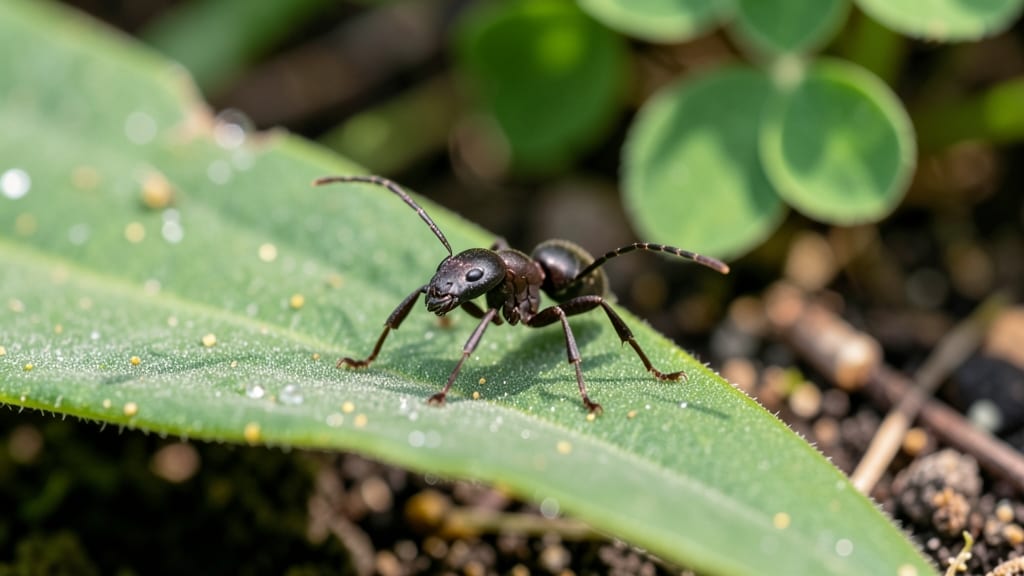
Ants in the garden are generally beneficial as they aerate soil, control pests like aphids, and promote plant health by distributing nutrients through their tunnels, though some species can disrupt plant roots or attract unwanted pests if overpopulated.
Ants actually play a crucial role in maintaining a healthy garden ecosystem. 🌱 Their tunneling habits improve soil drainage and aeration, while their appetite for pests like aphids and caterpillars helps keep plant populations in check.
Many gardeners consider them natural pest controllers, though their presence can sometimes become overwhelming during peak seasons.
That said, not all ants are created equal—some species like carpenter ants can damage plant roots or even wooden garden structures. 🚫 The key is monitoring their behavior and population levels.
If you notice large trails or swarms, it might be time to implement natural deterrents like diatomaceous earth or citrus peels, which ants typically avoid.
💡 In This Article
- How Ants Benefit Garden Ecosystems
- When Ants Become a Garden Problem
How ants benefit garden ecosystems
Ants act as tiny ecosystem engineers, creating intricate tunnel networks that improve soil structure. Their burrowing aerates compacted soil, allowing water and oxygen to penetrate deeper—critical for root development.
Studies show that gardens with active ant colonies exhibit 20-30% better drainage compared to ant-free soils, reducing waterlogging risks during heavy rains. 🌱 The tunnels also create pathways for beneficial microbes and fungi, accelerating nutrient cycling that plants can absorb more efficiently.
Their pest control services are equally impressive. Ants consume thousands of aphids daily, which are notorious plant sap-suckers that weaken growth. They also target caterpillars, beetle larvae, and other garden pests, often reducing chemical pesticide needs by 30-50%.
This natural regulation maintains a balanced ecosystem without disrupting beneficial pollinators like bees. Some ant species even "farm" aphids, protecting them in exchange for honeydew—a sugar-rich secretion that ants harvest as food.
Ants also serve as seed dispersers and pollinators for certain plants. Their foraging habits spread seeds from berries and fruits across the garden, promoting biodiversity. In tropical regions, species like Cephalotes atratus have been observed carrying pollen between flowers, filling a niche similar to bees.
The sheer number of ants—some gardens host millions per acre—means their collective impact on plant health is substantial, often rivaling the effects of commercial soil amendments.
What most gardeners don't realize is how ants influence plant growth through indirect mechanisms. Their waste products contain nitrogen and phosphorus, which enrich the soil near their nests. Research from the University of California found that ant-mounded areas showed 15% higher nitrogen levels than surrounding soil, benefiting nearby plants.
This "fertilizer effect" creates micro-hotspots of fertility where seeds are more likely to germinate successfully.
Consider these key ecological services ants provide:
- Soil aeration: Creates tunnels that improve water penetration and root access to nutrients
- Pest regulation: Consumes 50-70% of garden pests like aphids and beetle larvae
- Nutrient cycling: Accelerates decomposition through their waste and tunneling activities
- Seed dispersal: Spreads seeds from fruits and berries across the garden
- Pollination: Some species assist in plant reproduction
Their presence often correlates with healthier, more resilient plants that require fewer chemical interventions. 💫 This makes ants one of nature's most effective (and free) garden maintenance crews when their populations remain balanced.