
Diseases
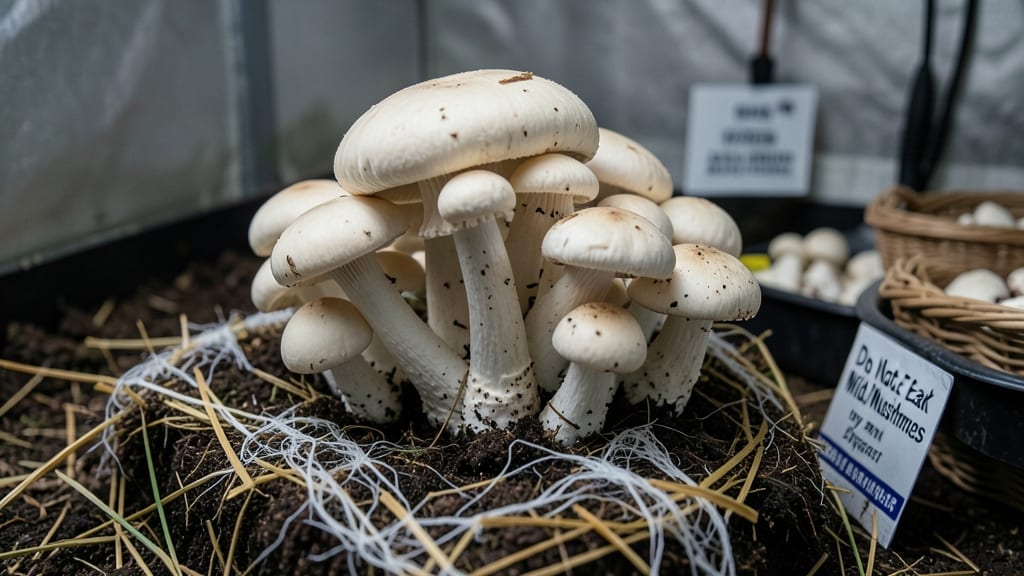
Garden mushrooms are not poisonous when grown properly, but improper cultivation or contamination can produce toxic compounds. Always source from reputable suppliers and follow safe growing practices to ensure edibility and safety.
When grown under the right conditions, garden mushrooms are completely safe to eat. However, contamination from mold, bacteria, or heavy metals during cultivation can create dangerous mycotoxins. 🔥 The biggest risks come from using improper substrates, poor sterilization, or letting mushrooms grow in damp, unclean environments.
Even experienced growers sometimes face unexpected toxicity if they overlook these critical factors.
To stay safe, always purchase mushrooms from trusted suppliers who follow strict growing protocols. If you're growing your own, focus on cleanliness and proper temperature control—most toxic issues arise when these basics are overlooked. The key is vigilance: never assume a mushroom is safe just because it looks edible.
💡 In This Article
- Toxic Compounds in Improperly Grown Garden Mushrooms
- How to Grow and Identify Safe Garden Mushrooms
Toxic compounds in improperly grown garden mushrooms
When garden mushrooms develop toxicity, it's usually due to mycotoxins—natural compounds produced by certain fungi under stress. The most concerning are aflatoxins and ochratoxin A, which can form when mushrooms grow on contaminated substrates (like wood chips or straw) infected with mold.
These toxins are heat-stable, meaning cooking won't neutralize them. The risk spikes when humidity exceeds 85% or temperatures drop below 60°F during growth, creating ideal conditions for harmful fungal competitors.
Heavy metals like lead or arsenic can also accumulate in mushrooms if grown near polluted soil or using recycled materials. For example, oyster mushrooms cultivated on coffee grounds from urban areas have tested positive for elevated cadmium levels in some cases.
The porous mycelium absorbs contaminants like a sponge, making substrate selection critical. Even organic substrates can harbor hidden pathogens if not properly pasteurized at 180°F for 60 minutes—a step many home growers skip.
Visual clues often appear before toxicity develops. Watch for unusual color changes in the mycelium (like green or black streaks) or slow, irregular growth patterns. Some toxic strains also produce off-putting odors—think ammonia or rotten eggs—rather than the fresh, earthy scent of safe mushrooms.
The key is understanding that toxicity isn't always visible: some mycotoxins only become detectable through lab testing after consumption.
Temperature control is your first line of defense. Most garden mushrooms thrive at 70-75°F during fruiting, but deviations can trigger stress responses that produce toxins. For instance, shiitake mushrooms grown below 65°F may develop higher levels of hydrazines, compounds linked to liver damage.
Humidity must stay balanced too—below 70% stunts growth, while above 90% invites bacterial contamination that can create dangerous metabolites.
Even with perfect conditions, some garden mushrooms contain naturally occurring compounds that can cause mild digestive upset in sensitive individuals. For example, agaritine in button mushrooms breaks down into a potential carcinogen when cooked at high temperatures.
While not acutely poisonous, this highlights why moderation matters—especially for those with compromised immune systems or liver conditions.
Consider this real-world example: In 2018, a batch of homegrown oyster mushrooms in Portland became toxic when the grower used unsterilized hardwood sawdust contaminated with Aspergillus flavus.
The resulting aflatoxin levels required hospital treatment for three consumers. The lesson? Toxicity isn't just about the mushroom—it's about the entire growing ecosystem.