
Advice
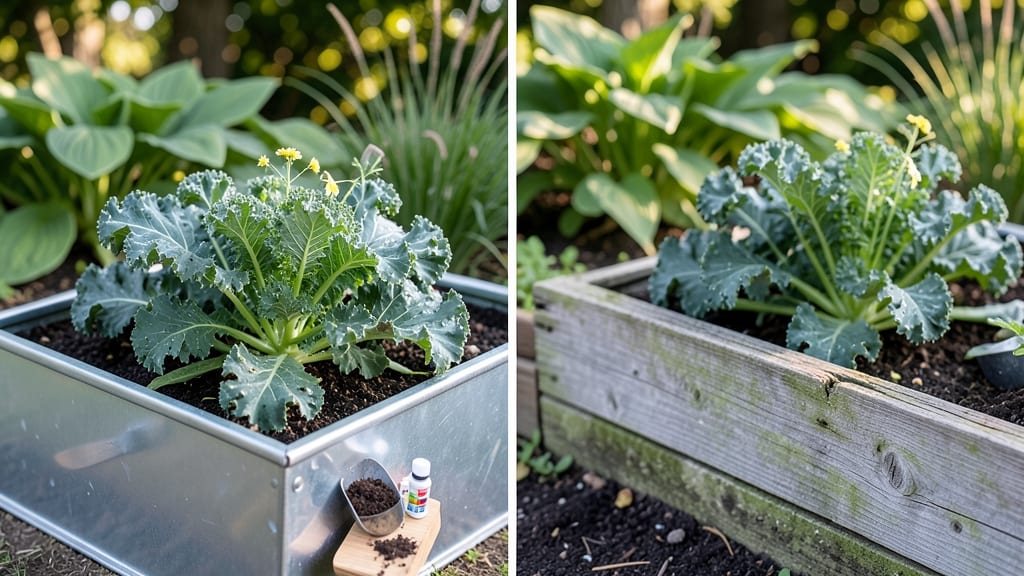
Metal garden beds can be safe for plants when using non-toxic materials like galvanized steel, aluminum, or food-grade plastic-coated metals, but you must account for corrosion risks and potential chemical leaching through proper maintenance and material selection.
Metal garden beds are a popular choice for their durability and modern aesthetic, but their safety depends entirely on the material and how well it's maintained. Corrosion is the biggest concern—rusting metal can leach harmful minerals into the soil over time, especially with acidic plants like blueberries or hydrangeas. 🌱 The good news?
Materials like stainless steel or aluminum resist oxidation better than standard steel, while galvanized coatings add an extra layer of protection. I always recommend checking for food-grade certifications if growing edible plants, as some coatings contain zinc or lead that can seep into the soil.
For long-term safety, I suggest elevating metal beds slightly off the ground to prevent water pooling, which accelerates rust. Regular inspections for peeling paint or exposed metal are a must—catching corrosion early prevents soil contamination.
If you're unsure about a bed's safety, a simple soil test after a few months of use can reveal any hidden chemical buildup.
💡 In This Article
- How Metal Garden Beds Corrode and Affect Soil Health
- Choosing Safe Metal Garden Beds for Your Plants
How metal garden beds corrode and affect soil health
Metal garden beds corrode primarily through oxidation, where the metal reacts with oxygen and moisture in the air to form rust (iron oxide) or similar compounds.
For example, standard steel beds develop rust spots within 1-3 years in humid climates, while aluminum beds resist corrosion better due to their natural oxide layer.
The process accelerates with acid rain—which has a pH as low as 4.2-4.4—because acidic conditions dissolve protective coatings faster, exposing raw metal to soil moisture.
When metal corrodes, it releases harmful minerals like iron, zinc, or copper into the soil. Iron buildup can create alkaline soil conditions (pH >7.5), which stunts nutrient uptake in plants like tomatoes and peppers that thrive in 6.0-6.8 pH.
Zinc leaching from galvanized coatings, while less toxic, can still inhibit plant growth at concentrations above 5-10 ppm in soil. Copper, though antimicrobial, accumulates over time and harms beneficial microbes essential for nitrogen fixation—critical for legumes like beans and clover.
The real danger lies in long-term exposure. A 50-gallon steel bed might release 0.5-1 gram of iron annually in wet climates, enough to alter soil chemistry over 5-10 years.
For edible plants, this contamination isn't just a flavor issue—it can lead to metal toxicity in leafy greens like spinach, which absorb heavy metals more readily. Even decorative plants suffer; rust particles clog root zones, reducing oxygen flow and causing root rot in sensitive species like ferns.
Material choice makes all the difference. Galvanized steel relies on a zinc coating (typically 0.8 oz/ft²) that depletes over time, while stainless steel (grade 304 or 316) contains 18% chromium, forming a self-healing oxide layer.
Aluminum beds, though lighter, develop a white powdery residue (aluminum oxide) that doesn't harm plants but can make soil appear gritty.
The key is matching the metal to your plants' needs—acid-loving plants like azaleas near galvanized beds risk zinc buildup, while stainless steel beds work universally but cost 3-5x more upfront.
To mitigate risks, I recommend elevating beds on gravel (minimum 4 inches) to improve drainage and reduce corrosion. Adding a 1-inch layer of landscape fabric between metal and soil blocks direct contact with moisture.
For high-value gardens, consider powder-coated aluminum with a polyester or epoxy finish—these coatings last 10-15 years longer than standard paint. Regularly inspect for peeling or bubbling coatings, which signal imminent leaching.
Here's what to watch for in your soil: yellowing leaves (iron toxicity), stunted growth (zinc/copper buildup), or white crusts on soil surface (aluminum oxide). If you notice these, flush the soil with 2-3 inches of water to dilute contaminants, then amend with compost to restore microbial balance. 🌿