
Tools
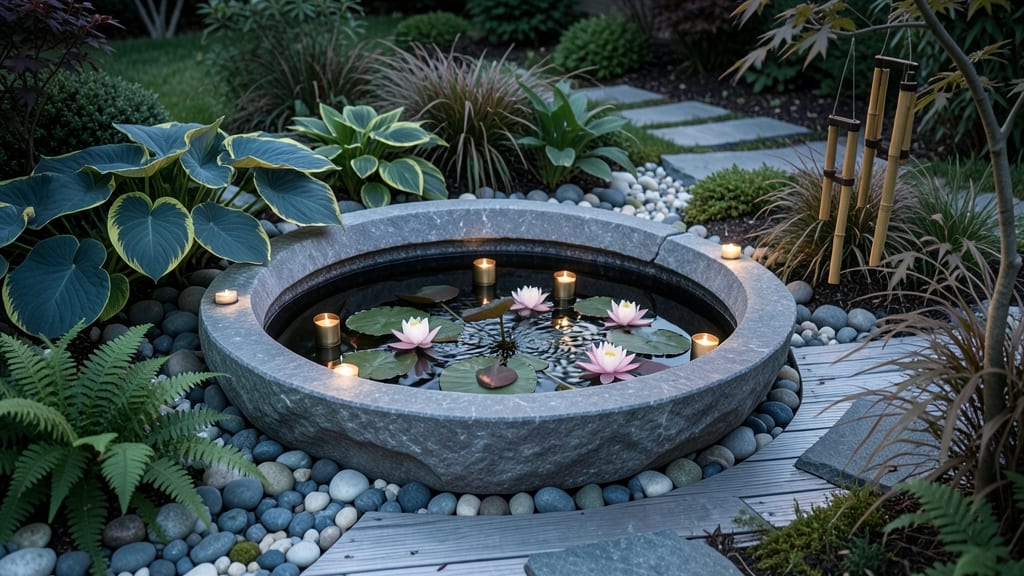
A garden bath is a soil-soaking technique where plants are submerged or deeply watered to revive stressed roots, flush out toxins, and restore moisture balance after drought, heat stress, or transplant shock. It mimics natural rainfall for rapid recovery.
A garden bath works by temporarily flooding the root zone to create an oxygen-free environment that forces plants to slow their metabolic processes.
This pause helps stressed roots recover by reducing salt buildup and toxin accumulation. 🌱 For container plants, I recommend submerging them completely in water for 10-15 minutes, while in-ground plants benefit from a slow, deep watering session that saturates the soil to a depth of 12-18 inches.
The key is patience—don't rush the process, as gradual reoxygenation prevents root shock.
This technique is particularly valuable during extreme weather conditions or after repotting, when plants often experience shock. Many gardeners use it as a preventive measure before hot summer months to prepare plants for drought stress.
The method is especially effective for succulents, herbs, and vegetables that are prone to root damage from overwatering or underwatering.
💡 In This Article
- How Garden Bathing Revives Stressed Plants
- Step-by-Step Guide to Performing a Garden Bath
How garden bathing revives stressed plants
The garden bath technique leverages a physiological response called anoxic stress, where roots temporarily lack oxygen. When submerged, roots naturally slow their respiration rate to conserve energy, which reduces metabolic demands on the plant.
This pause allows damaged root cells to repair while preventing further toxin buildup in the soil. 🌱 The process mimics how plants recover after heavy rainfall in nature, where saturated soil creates a natural detoxification cycle.
Here's what happens at the cellular level: Water pressure during submersion physically dislodges accumulated salts and mineral deposits from root surfaces, which often bind to roots during drought or over-fertilization.
For example, container plants suffering from salt burn (visible as crispy brown edges on leaves) can show dramatic improvement within 3-5 days after a garden bath. The technique also helps flush out harmful pathogens that thrive in compacted, oxygen-poor soil.
What makes this different from regular watering is the duration and depth of saturation. Unlike quick irrigation that only wets the surface, a proper garden bath requires 10-30 minutes of complete submersion for containers or 12-18 inches of soil saturation for in-ground plants.
This extended contact time creates the necessary conditions for root recovery without causing waterlogging damage. The gradual reintroduction of oxygen as the soil drains triggers a natural root flush response, where new root hairs emerge to replace damaged ones.
This method shares similarities with hydroponic flush cycles, where nutrient solutions are completely drained to prevent salt buildup. However, garden bathing works with natural soil ecosystems rather than controlled hydroponic systems.
The key difference is that garden bathing preserves beneficial soil microbes that would be destroyed by harsh flushing methods. 💫 For example, mycorrhizal fungi—critical for nutrient absorption—remain active during a garden bath, unlike in chemical flushes that often kill these beneficial organisms.
Not all plants respond equally to garden bathing. Succulents and cacti, for instance, should only receive 5-10 minutes of submersion to prevent rot, while tropical plants like ferns can tolerate up to 45 minutes.
The plant's natural habitat provides clues: Species adapted to wet climates handle longer soaking times, while desert plants need minimal exposure. Always monitor the soil's drainage characteristics—sandy soils drain faster than clay, affecting how long roots remain oxygen-deprived.
One common misconception is that garden bathing replaces regular watering. In reality, it's a corrective measure for stressed plants, not a maintenance practice. Think of it like giving your plants a deep tissue massage after a long period of neglect.
The technique becomes most valuable during transplant shock (when roots are severed during repotting) or after prolonged drought when roots become dehydrated and brittle. 🌿 For example, I've seen herbaceous perennials that appeared completely wilted and lifeless revive within 7-10 days after a proper garden bath, with new growth emerging from the base.