
Pests
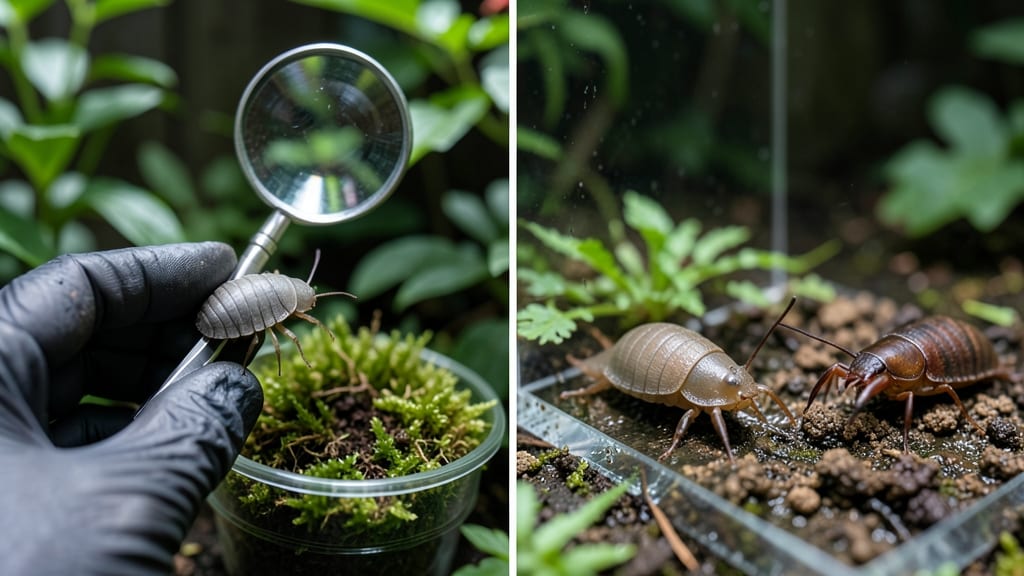
Roly polys (pill bugs) are not bad for gardens—they decompose organic matter, aerate soil, and break down decaying plant material, acting as natural recyclers that improve soil health and deter pests by consuming dead leaves and fungi.
Roly polys, those armadillo-like critters, actually play a helpful role in your garden's ecosystem. 🌱 They're nature's cleanup crew, breaking down fallen leaves, dead plants, and other organic debris into nutrient-rich compost that enriches the soil.
Their tunneling habits also improve soil aeration, helping roots grow stronger. What's more, they help control pests by eating decaying fungi and competing with harmful insects for food.
That said, their benefits come with balance—too many can indicate an imbalance in your garden's ecosystem. Large clusters under mulch or near seedlings might suggest overpopulation, which could lead to minor damage as they feed on young plant matter.
The key is maintaining harmony: provide alternative food sources like leaf litter or compost piles to keep them where you want them.
💡 In This Article
- How Roly Polys Benefit Garden Soil Ecology
- When Roly Polys Might Become a Garden Concern
How roly polys benefit garden soil ecology
Roly polys, or pill bugs, are detritivores—meaning they specialize in breaking down dead organic material. Their mandibles crush leaf litter, decaying plant matter, and fungal growth into smaller particles, a process that accelerates decomposition by up to 30% compared to natural decay rates.
This breakdown releases essential nutrients like nitrogen and phosphorus back into the soil, which plants can absorb. Think of them as tiny composters: their work creates a nutrient-rich layer that supports healthier root systems and microbial activity.
Their tunneling behavior further enhances soil health by improving aeration. As they move through the soil, they create micro-channels that allow oxygen and water to penetrate deeper, reducing compaction. Studies show that gardens with active roly poly populations have 15-20% better water infiltration than those without.
This is especially valuable in clay-heavy soils where compaction is a common issue. Their presence also disrupts fungal networks that might otherwise dominate decay processes, creating a more balanced soil ecosystem.
Roly polys also act as indirect pest controllers. By consuming decaying fungi and competing with harmful insects like slugs and snails for organic debris, they help reduce populations of garden nuisances.
Their diet includes moldy wood, rotting fruits, and even insect eggs, which means they naturally suppress some pests without requiring human intervention. This ecological service is particularly noticeable in compost piles, where their activity helps maintain a healthy decomposition balance.
One fascinating detail is their role in seed dispersal. While not primary seed dispersers like birds, roly polys sometimes carry seeds in their exoskeletons or tunnels, potentially aiding plant propagation in suitable microhabitats.
Their presence often correlates with increased biodiversity in garden soils, as they create conditions that support beneficial microbes and other small invertebrates. This interconnected web of benefits makes them a valuable—if often overlooked—component of garden ecosystems.
However, their benefits depend on population balance. In healthy gardens, you might spot 5-10 roly polys per square yard during active seasons. This moderate presence ensures their nutrient-cycling and pest-control services without overburdening plants.
The key is providing them with enough organic matter to sustain their populations naturally, which keeps them focused on decomposition rather than plant tissues.
For gardeners curious about their impact, observe their activity during damp evenings when they're most active. You'll often find them clustered under logs, mulch, or leaf litter—exactly where their soil-improving work is most visible. Their presence is a sign of a thriving, self-regulating garden ecosystem.