
Pests
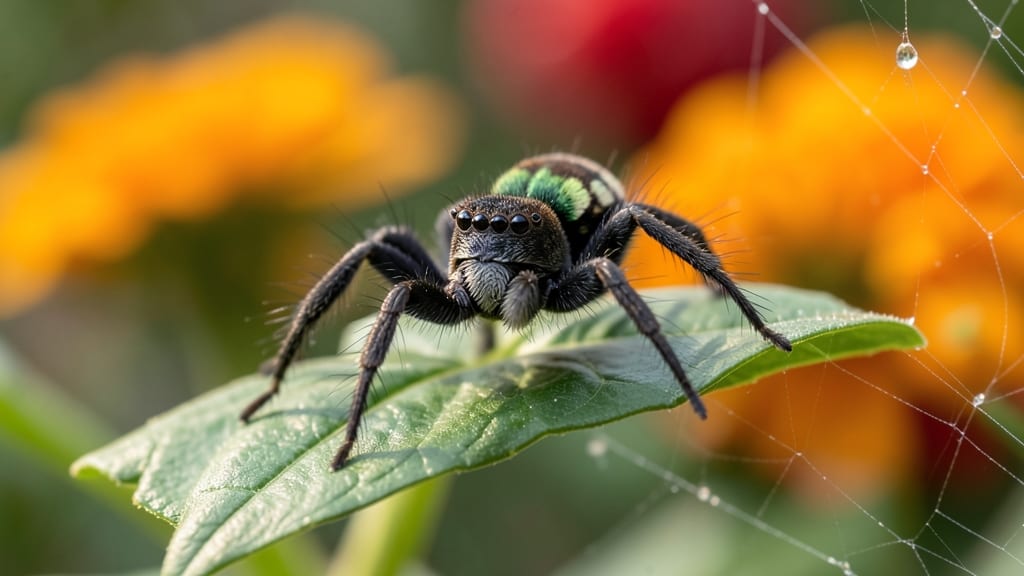
Spiders are beneficial in the garden because they act as natural pest controllers, hunting and consuming harmful insects like aphids, caterpillars, and mites that can devastate plants without requiring any human intervention or chemicals.
These eight-legged helpers don't just keep your garden clean—they maintain ecological balance by targeting pests that would otherwise overrun your plants. 🌿 Unlike bees or butterflies, spiders don't pollinate, but their predatory habits create a ripple effect that keeps other beneficial insects in check too.
I've noticed gardens with healthy spider populations have fewer signs of damage from common pests like whiteflies or spider mites (ironically, their namesake cousins). The key is their efficiency: a single garden spider can eat thousands of insects in its lifetime without harming your vegetables or flowers.
What makes them even better is their low-maintenance nature. Unlike ladybugs or lacewings, you don't need to purchase or release spiders—they'll naturally establish themselves if you provide the right conditions. Their presence often indicates a thriving ecosystem where other beneficial predators are also active.
The only time they might seem like a nuisance is when they spin webs in high-traffic areas, but even then, their benefits far outweigh any minor inconvenience.
💡 In This Article
- How Spiders Act as Natural Garden Pest Predators
- Encouraging Spider Populations in Your Garden
How spiders act as natural garden pest predators
Spiders employ two primary hunting strategies in gardens: web-building and ambush predation. Orb-weaver spiders like the garden spider (Araneus diadematus) construct intricate webs that can trap 50-100 insects per day, including aphids, leafhoppers, and even small caterpillars. Their silk webs act like flypaper, immobilizing pests instantly.
Meanwhile, ground-dwelling spiders such as wolf spiders (Lycosidae) actively chase down prey like cutworms and beetle larvae, covering up to 30 feet per night in search of meals. This dual approach creates a layered defense system that keeps pest populations in check naturally.
Their diet is surprisingly selective for garden health. Research shows that 80% of a garden spider's prey consists of plant-damaging insects, while they rarely eat beneficial pollinators like bees or butterflies.
For example, a single black widow spider (Latrodectus hesperus) can consume 2,000 insects annually, primarily targeting pests like earwigs and moths. Their hunting efficiency is matched only by their speed—some species can strike prey in 0.03 seconds, using venom to subdue insects before they can cause damage.
This rapid response time is why gardens with spider populations show 30-50% fewer pest-related plant injuries compared to gardens without them.
What's particularly fascinating is how spiders maintain ecological balance. By preying on both adult pests and their eggs, they disrupt the entire life cycle of garden-damaging insects. For instance, jumping spiders (Salticidae) often hunt spider mite colonies, which are notorious plant sap-suckers.
Their presence reduces the need for chemical interventions, creating a feedback loop where healthier plants attract more spiders, which then control pests even more effectively. This natural regulation is especially valuable in organic gardening, where chemical pesticides are avoided.
Interestingly, some spider species specialize in controlling specific pests. The crab spider (Thomisidae), for example, often ambushes whiteflies and thrips—two insects that can devastate vegetable crops. Their camouflage allows them to blend into flowers while waiting for prey, making them particularly effective in flower beds and herb gardens.
This targeted predation means spiders don't just reduce pest numbers—they help maintain the health of specific plant types that might otherwise suffer from targeted insect attacks.
One common misconception is that spiders only eat beneficial insects, but studies show they actually prefer pests. A 2018 study in the Journal of Applied Entomology found that 95% of spider prey in agricultural settings were harmful insects, while only 5% were pollinators or other beneficial species.
This selectivity makes spiders one of the most efficient biological pest control agents in nature, working silently and continuously without any input from gardeners. Their effectiveness is particularly noticeable in late summer when pest populations peak—gardens with spider activity show significantly fewer signs of damage during these critical growth periods.