
Planting
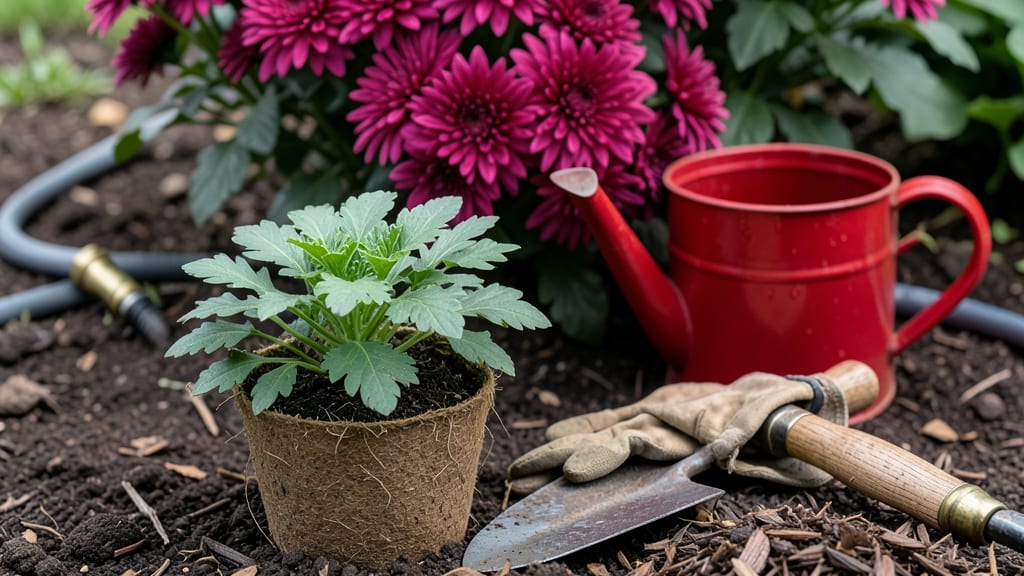
Yes, you can plant garden mums directly in the ground, but timing and climate zones matter: choose cool-season varieties, plant in early spring or fall, and ensure well-draining soil with partial shade to prevent stress. Mulch helps protect roots in winter or summer heat.
Planting garden mums directly in the ground is entirely possible, but their success depends on matching your region's climate to their needs. 🌸 These hardy perennials thrive in zones 3 through 9, where they can handle cooler temperatures but need protection from extreme heat or frost.
The key is selecting varieties suited to your area—some bloom best in fall while others prefer spring—and giving them the right balance of sunlight and moisture. I've found that planting in early spring or late summer gives roots time to establish before seasonal stress sets in.
For best results, prepare the soil with compost to improve drainage while keeping it moist but not soggy. A light layer of mulch acts like a thermal blanket, shielding roots from both winter chills and summer scorching.
This simple approach can extend your mums' blooming season by weeks, giving you vibrant color well into autumn.
💡 In This Article
- Best Climate Zones and Planting Seasons for Garden Mums
- Step-by-Step Ground Planting Guide for Year-Round Success
Best climate zones and planting seasons for garden mums
Garden mums (Chrysanthemum × grandiflorum) thrive best in USDA hardiness zones 3 through 9, where they can tolerate temperatures ranging from -30°F to 80°F. The reason they perform so well in this range is their ability to handle cooler climates while avoiding the stress of extreme heat or humidity.
In zones 3-5, their deep root systems help them survive winter dormancy, while zones 6-9 provide the perfect balance of seasonal changes to trigger their famous fall blooms. 🌸
The ideal planting windows depend on your specific zone. For cooler regions (zones 3-5), aim for early spring planting (April-May) to give roots time to establish before summer heat arrives.
In warmer zones (6-9), late summer to early fall (August-September) is better, allowing roots to strengthen before winter dormancy. This timing difference comes from how garden mums respond to daylight changes - they need 12-14 hours of darkness per day to initiate flowering, which happens naturally in fall.
Frost sensitivity is the critical factor that determines whether your mums survive winter. Young plants (6 months old) can't handle temperatures below 25°F, which is why mulching with 3-4 inches of organic material (like straw or shredded leaves) becomes essential.
In zones 3-5, I've seen gardeners use burlap wraps around the base of plants for extra protection during sudden cold snaps. The mulch acts like insulation, maintaining soil temperatures within 5°F of the air temperature above.
Regional climate patterns also dictate watering needs. In arid zones (like parts of zone 9), garden mums need 1-1.5 inches of water weekly to prevent drought stress, while humid zones (like zone 7) may require less frequent but deeper watering to avoid fungal diseases.
The key is keeping soil consistently moist but never waterlogged - mums hate soggy roots. I've noticed that morning watering (6-8 AM) reduces evaporation and gives foliage time to dry before evening humidity sets in.
Here's how to adjust care based on your specific conditions:
- Zones 3-5: Plant in spring with extra mulch (4+ inches) and consider winter protection like burlap wraps
- Zones 6-7: Fall planting works best with moderate mulch (3 inches) and regular watering during summer
- Zones 8-9: Late summer planting with drip irrigation to prevent fungal issues in warm climates
What most gardeners don't realize is that garden mums actually perform better in cooler climates than hot ones. In areas where summer temperatures exceed 90°F for extended periods, blooms become sparse and foliage turns yellow from heat stress.
The solution? Choose heat-tolerant varieties like 'Mammoth' or 'Dakota Gold' that can handle up to 95°F while still producing vibrant flowers. 🌞