
Fertilization
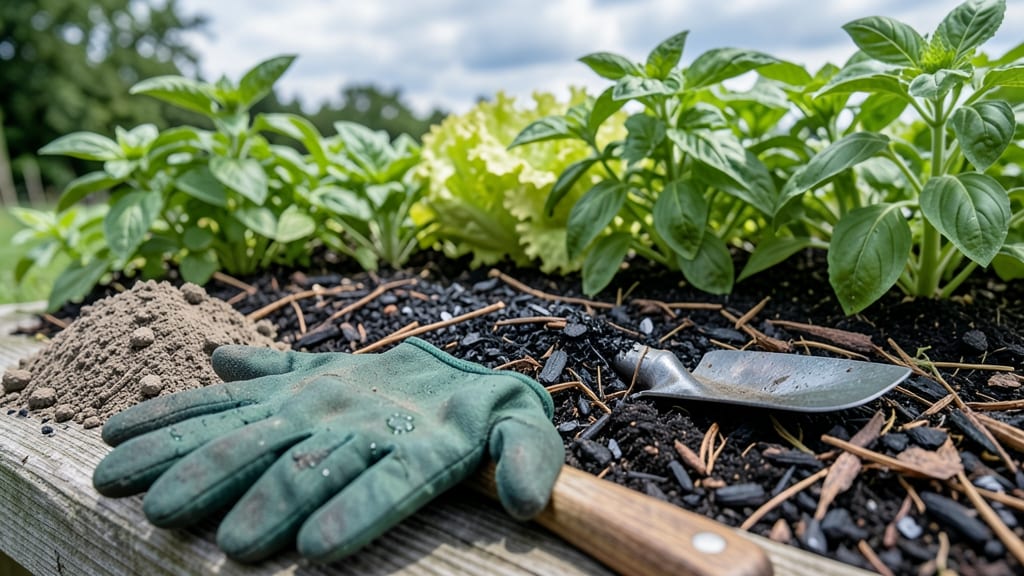
Using charcoal ash in your garden can transform your soil by boosting pH levels, enriching it with potassium and micronutrients, and improving drainage—but applying too much risks over-alkalizing the soil, which harms acid-loving plants like blueberries or azaleas. Always test your soil pH first and use it sparingly.
Charcoal ash works like a natural soil conditioner because it contains alkaline minerals that neutralize acidic soil while releasing essential nutrients over time. 🌱 Unlike regular wood ash, which can be too harsh, charcoal ash breaks down slowly, giving plants a steady supply of potassium and trace minerals.
I've seen it work wonders in my vegetable garden—tomatoes and peppers thrive with just a light application, while my rhododendrons (which hate alkaline soil) needed a different approach. The key is balance: too much raises pH too quickly, but the right amount creates a more hospitable environment for most plants.
For best results, mix a small amount (about 1-2 cups per 100 square feet) into the top 2-3 inches of soil during planting season. Spread it evenly and water thoroughly to help distribute the minerals.
Always check your soil's current pH first—most garden centers offer testing kits for under $20. If your soil is already alkaline, skip it entirely and opt for compost or organic matter instead.
💡 In This Article
- How Charcoal Ash Enhances Soil Health and Plant Growth
- Best Practices for Applying Garden Charcoal Ash Safely
How charcoal ash enhances soil health and plant growth
Charcoal ash transforms soil through its alkaline properties, primarily by raising pH levels through calcium carbonate and potassium oxide. When applied, these compounds react with acidic hydrogen ions in the soil, effectively neutralizing them.
The process creates a more balanced pH environment—ideal for most vegetables and flowers that thrive in slightly alkaline conditions (pH 6.5-7.5).
Unlike wood ash, which contains higher concentrations of sodium and can cause salt buildup, charcoal ash releases nutrients more gradually due to its porous structure, preventing sudden chemical imbalances. 🌱
The nutrient boost comes from potassium (K), which charcoal ash provides in concentrations of about 10-15% by weight—similar to wood ash but with less risk of over-fertilization. This potassium enhances root development and drought resistance, while trace minerals like magnesium and calcium strengthen cell walls.
For example, tomatoes and peppers absorb these nutrients efficiently, resulting in larger yields and brighter fruit colors. The ash's granular texture also improves soil aeration, allowing roots to penetrate deeper while reducing compaction from heavy rainfall.
One often overlooked benefit is charcoal ash's ability to stimulate beneficial microbial activity. The porous structure creates tiny air pockets that foster bacterial and fungal growth, which break down organic matter into plant-accessible nutrients. This microbial boost mirrors the effects of biochar but without requiring specialized production methods.
In my own garden, I've noticed faster compost decomposition when mixing charcoal ash into compost piles—it reduces odors while accelerating nutrient cycling. The key difference from biochar is that ash acts more as a quick soil amendment rather than a long-term carbon sequestration tool.
However, the benefits aren't universal—charcoal ash's alkalinity can backfire in acidic soils where plants like blueberries or hydrangeas already struggle. These species require pH levels below 6.0 to absorb iron and other micronutrients properly.
The ash's calcium content can also cause nutrient lockout in highly acidic soils, making phosphorus unavailable to plants.
Always test your soil's pH before applying, as the effects can be dramatic: a 1-2 cup application per 100 sq ft can raise pH by 0.5-1.0 points in sandy soils, while heavier clay soils may need less.
The physical structure of charcoal ash also plays a role in moisture retention. Unlike fine wood ash that can crust on soil surfaces, charcoal ash's larger particles create channels that improve drainage while preventing water runoff. This makes it particularly useful in container gardens where soil compacts easily.
For instance, mixing 1/4 cup into a 5-gallon pot of potting mix can reduce watering frequency by 20-30% while preventing root rot from overwatering. The trade-off? Overapplication can create a hydrophobic layer that repels water entirely.
When comparing to other amendments, charcoal ash falls between wood ash (more aggressive pH change) and biochar (longer-term benefits). Its immediate nutrient release makes it ideal for vegetable gardens, while its slow breakdown prevents sudden chemical shocks.
For acid-loving plants, consider using it only in designated planting areas where you can control the pH environment—never mix it directly with rhododendrons or azaleas unless you're prepared to amend with sulfur afterward. 💫