
Fertilization
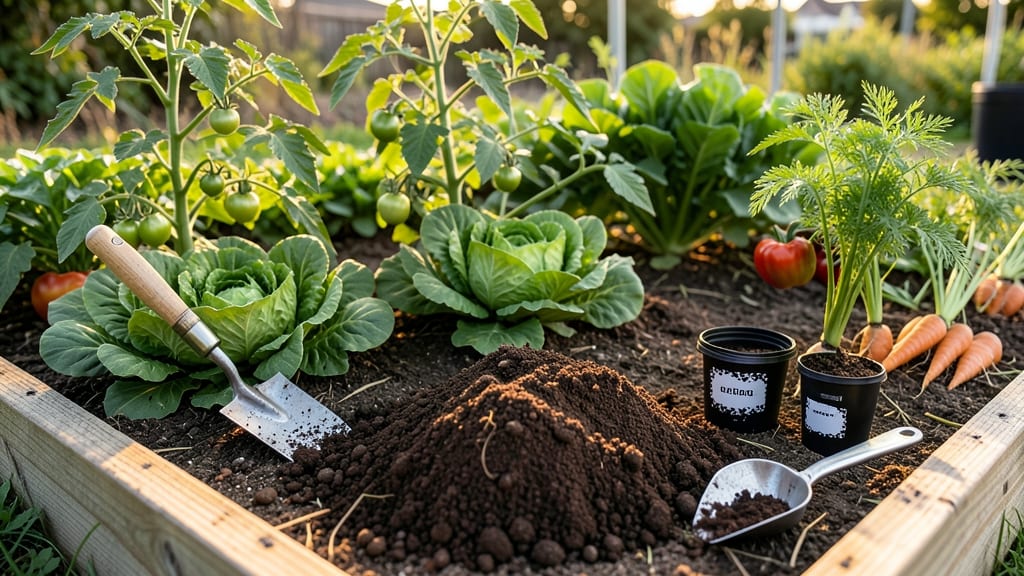
Using coffee grounds in the vegetable garden lowers soil pH slightly, providing nitrogen and organic matter while repelling slugs and earthworms. Apply sparingly—too much can acidify soil or stunt plant growth, especially for acid-sensitive crops like tomatoes and peppers.
Coffee grounds work like a natural soil amendment because they're rich in nitrogen and organic carbon, which feed beneficial microbes while slightly acidifying the soil. 🌱 The key is moderation—too much creates a harsh environment for plants that prefer neutral or alkaline soils, like beans or lettuce.
I've found that mixing them into compost piles or sprinkling them lightly around acid-loving plants (like blueberries or potatoes) gives the best results without risking over-acidification.
For best results, use composted grounds instead of fresh—they break down slower and won't create a nitrogen "burn" that can harm plant roots. Spread a thin layer (½ inch) around plants or work them into the top 2 inches of soil, then water thoroughly.
This method prevents clumping and ensures even distribution of nutrients.
💡 In This Article
- How Coffee Grounds Affect Soil pH and Nutrient Balance
- Best Plants to Pair with Coffee Grounds in Your Garden
How coffee grounds affect soil pH and nutrient balance
Coffee grounds have a natural pH of around 6.2 to 6.8, but when decomposed, they can lower soil pH by 0.5 to 1.0 units over time due to their acidic byproducts like chlorogenic acid.
This happens because the organic matter breaks down into humic acids, which release hydrogen ions (H+) into the soil. For example, a soil starting at pH 7.0 might drop to 6.2 after consistent applications, creating an ideal environment for acid-loving plants like blueberries (which thrive at pH 4.5-5.5).
The nitrogen content in coffee grounds (around 2% by weight) is what makes them so valuable as a fertilizer. When microbes decompose the grounds, they convert this nitrogen into forms plants can absorb, like ammonium (NH₄⁺) and nitrate (NO₃⁻).
This process also stimulates microbial activity, which helps break down other organic matter in the soil. However, fresh grounds can release nitrogen too quickly, potentially "burning" plant roots. Composting them first slows this release, making nutrients more accessible over time.
What's fascinating is how coffee grounds influence nutrient availability beyond nitrogen. The organic matter improves soil structure by increasing water retention and aeration, which helps roots access phosphorus and potassium more efficiently.
For instance, tomatoes (which prefer pH 6.0-6.8) benefit from the improved soil texture, even if the pH drops slightly. The key is balance—too much can lock out essential nutrients like calcium and magnesium, which become less available in highly acidic conditions.
Here's where it gets technical: coffee grounds contain 10-15% carbon, which feeds soil microbes during decomposition. These microbes then produce enzymes that help break down complex organic compounds, releasing additional nutrients.
This microbial activity also helps suppress harmful pathogens, creating a more resilient soil ecosystem. The trade-off? Overapplication can create anaerobic pockets in the soil, reducing oxygen availability for roots.
To put this into perspective, consider two scenarios: adding ½ cup of fresh grounds per plant weekly versus mixing 1 cup of composted grounds per square yard monthly. The first method risks over-acidification and nutrient burn, while the second provides steady, balanced benefits.
For most vegetable gardens, the sweet spot is using composted grounds as a 10-20% component of your overall soil amendment strategy.
For acid-sensitive crops like beans (ideal pH 6.0-7.0), you might want to avoid coffee grounds entirely or use them sparingly in well-draining soils. The pH impact varies by soil type—sandy soils acidify faster than clay soils, which buffer changes better.
Testing your soil's pH before and after application helps you fine-tune your approach.
One pro tip: mix coffee grounds with wood ash (which raises pH) in a 2:1 ratio to create a neutral amendment. This balances the acidity while still providing nitrogen and organic matter. 🌱