
Fertilization
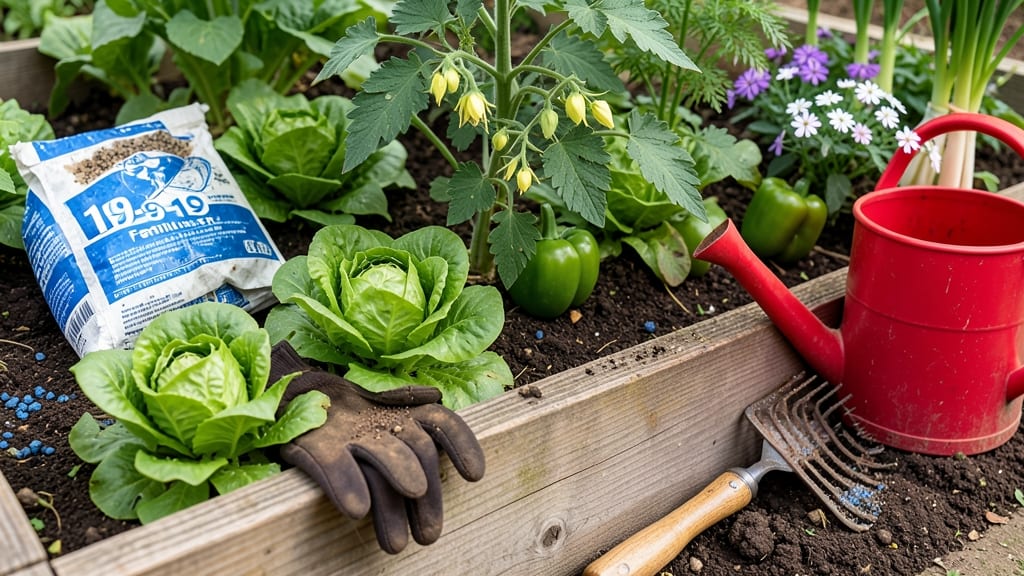
Is 19-19-19 fertilizer good for vegetable gardens? It can work but may lack precision: its balanced NPK ratio supports general growth, but most vegetables need tailored ratios—leafy greens prefer higher nitrogen, fruiting plants need more phosphorus. Use sparingly and supplement with soil tests for optimal results.
Is 19-19-19 fertilizer good for vegetable gardens?
It can be a starting point, but its equal parts of nitrogen, phosphorus, and potassium often fall short of what specific crops need. 🌱 For instance, tomatoes thrive with a higher phosphorus ratio to boost flowering and fruiting, while leafy greens like spinach benefit more from nitrogen-heavy formulas.
The key is to treat it as a general-purpose fertilizer rather than a one-size-fits-all solution—pairing it with soil amendments or targeted supplements can make all the difference.
Before applying, always test your soil to understand its baseline nutrient levels. This helps you avoid over-fertilizing, which can lead to nutrient imbalances or even harm your plants.
I’ve found that mixing 19-19-19 with compost or organic matter creates a more balanced growing environment, especially for heavy feeders like peppers and cucumbers. Think of it as a supporting player in your garden’s nutrition plan, not the star.
💡 In This Article
- Understanding 19-19-19 NPK Ratio for Vegetable Growth
- When and How to Use 19-19-19 in Vegetable Gardens
Understanding 19-19-19 NPK ratio for vegetable growth
The 19-19-19 ratio means each component—nitrogen (N), phosphorus (P), and potassium (K)—is present in equal parts by weight. Nitrogen fuels leafy growth, phosphorus supports root development and flowering, while potassium strengthens overall plant resilience. This balance makes it ideal for general lawn care, but vegetables often need adjustments.
For example, leafy greens like spinach thrive with higher nitrogen (e.g., 3-1-2 ratio), while fruiting plants such as tomatoes prefer more phosphorus (e.g., 5-10-10 ratio) to encourage blooms and fruit set.
Nitrogen deficiency in vegetables often shows as yellowing leaves, while excess can lead to lush foliage but poor fruiting. Phosphorus deficiency causes stunted growth and dark green leaves, while potassium deficiency weakens stems and makes plants more susceptible to disease.
The 19-19-19 ratio provides a baseline, but most vegetables benefit from a slightly higher phosphorus kick during flowering stages or a nitrogen boost for leafy crops. 🌿
Micronutrients like calcium, magnesium, and iron are also critical but often overlooked. A 19-19-19 fertilizer lacks these, which is why pairing it with compost or organic amendments can fill gaps. For instance, calcium deficiencies (common in tomatoes) cause blossom-end rot, while iron deficiency leads to yellowing between leaf veins.
Testing your soil before applying fertilizer helps identify these missing pieces and prevents over-reliance on synthetic nutrients.
Consider the growth stage of your plants. Seedlings and young plants benefit from more nitrogen to build strong stems and leaves, while mature plants in fruit production need phosphorus and potassium.
Using 19-19-19 as a base fertilizer and supplementing with targeted amendments ensures your vegetables get the right nutrients at the right time. For example, side-dressing tomatoes with a phosphorus-rich fertilizer during flowering can double your yield compared to relying solely on 19-19-19.
Overuse of 19-19-19 can lead to salt buildup in the soil, which harms beneficial microbes and plant roots. Always follow label instructions and water thoroughly after application to leach excess salts.
In my own garden, I’ve found that mixing 19-19-19 with compost at a 1:3 ratio reduces salt risk while improving soil structure. This approach mimics natural nutrient release, giving plants a steady supply without shocking the soil.
For container gardens, where nutrient runoff is a bigger concern, halve the recommended dose of 19-19-19 and monitor plants closely. Container soils drain quickly, so frequent light applications work better than heavy doses.
Pairing it with slow-release organic matter, like worm castings, helps maintain steady nutrition without the risk of over-fertilization. 🌱