
Vegetables
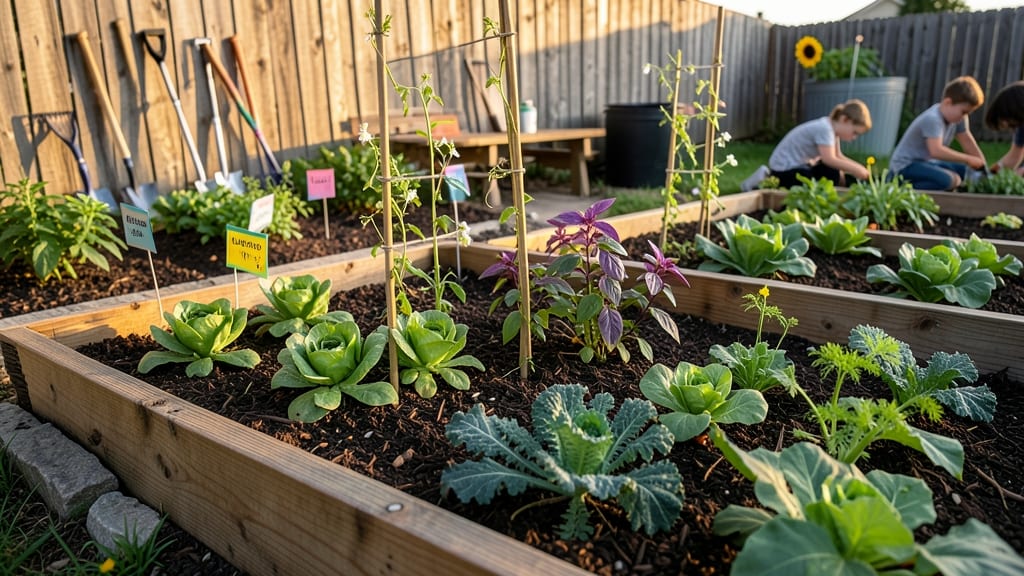
Community garden pics reveal how urban plots, schoolyard gardens, and raised-bed designs turn empty spaces into thriving green areas filled with vegetables, flowers, and communal gathering spots. These images serve as powerful inspiration for anyone planning a shared gardening project.
Looking at real community garden pics helps you see what works in practice. 🌱 The best images show how thoughtful layouts—like separating high-maintenance crops from low-maintenance ones—keep gardens productive year-round. You'll also notice how seating areas and pathways are designed to encourage interaction without trampling plants.
These visuals often include seasonal variations, proving that even small plots can yield impressive harvests with the right planning.
What makes these photos particularly useful is how they highlight accessibility features, such as wheelchair-friendly paths or raised beds for children. Many successful gardens incorporate vertical growing spaces to maximize limited square footage, while others use natural materials like stone borders to create a welcoming atmosphere.
The most inspiring images don't just show plants—they capture the community spirit that makes these spaces so special.
💡 In This Article
- Design Elements in Successful Community Garden Photos
- How to Photograph Your Community Garden for Inspiration
Design elements in successful community garden photos
Successful community garden photos often reveal a deliberate balance between functionality and aesthetics. The most productive plots organize space by plant needs, grouping high-water crops like lettuce near irrigation sources while placing drought-tolerant herbs in sunniest spots.
This zoning isn't just practical—it creates visual harmony in photos, where orderly rows and color-blocked sections make the garden look intentionally designed rather than haphazard. 🌿 For example, a 4' x 8' raised bed might dedicate one side to leafy greens (needing shade) and the opposite side to tomatoes (requiring full sun), creating a striking contrast in both yield and appearance.
Plant diversity is another key element that stands out in inspiring images. Gardens that feature a mix of vegetables, herbs, and flowers—like marigolds interplanted with tomatoes—demonstrate companion planting principles while adding visual interest.
The color palette matters too: deep purples, vibrant greens, and bright yellows create photographs that feel lively and inviting. Many successful gardens also incorporate vertical elements, such as trellises or pallet gardens, which maximize growing space in photos by drawing the eye upward and showcasing three-dimensional growth patterns.
Communal seating areas are frequently captured in the most engaging garden photos because they tell the story of shared use. Benches made from reclaimed wood or stone circles create natural focal points that photograph beautifully while serving practical purposes.
Pathways—often made from gravel, mulch, or stepping stones—should be wide enough (2-3 feet) to accommodate wheelchairs and strollers without encroaching on planting areas. These thoughtful details make gardens not just productive, but welcoming spaces that people want to spend time in and photograph.
Accessibility features often become the defining characteristics in standout community garden images. Raised beds at varying heights (from 12" to 36") allow people of all ages and abilities to participate, while ramps and smooth surfaces ensure the space is inclusive.
Many photos highlight how these features blend seamlessly with the garden's natural elements, proving that functionality doesn't have to sacrifice aesthetics. For instance, a curved wooden ramp might double as a trellis for climbing beans, creating a multi-purpose structure that tells a story in photographs.
The most inspiring garden photos also capture seasonal changes, showing how the same space transforms throughout the year. A winter image might feature bare raised beds topped with protective mulch, while summer photos showcase lush vines and blooming flowers.
This progression demonstrates the garden's year-round utility and makes the space feel dynamic. The best photographers use these seasonal contrasts to tell a complete story about the garden's lifecycle and the community's investment in it.
Finally, the materials used in garden construction often become visual anchors in photographs. Natural elements like stone borders, wooden trellises, and recycled bricks create textures that photograph beautifully while blending with the environment.
These materials not only enhance the visual appeal but also contribute to the garden's durability and sustainability. When chosen thoughtfully, they become signature elements that make each garden instantly recognizable in photos.