
Vegetables
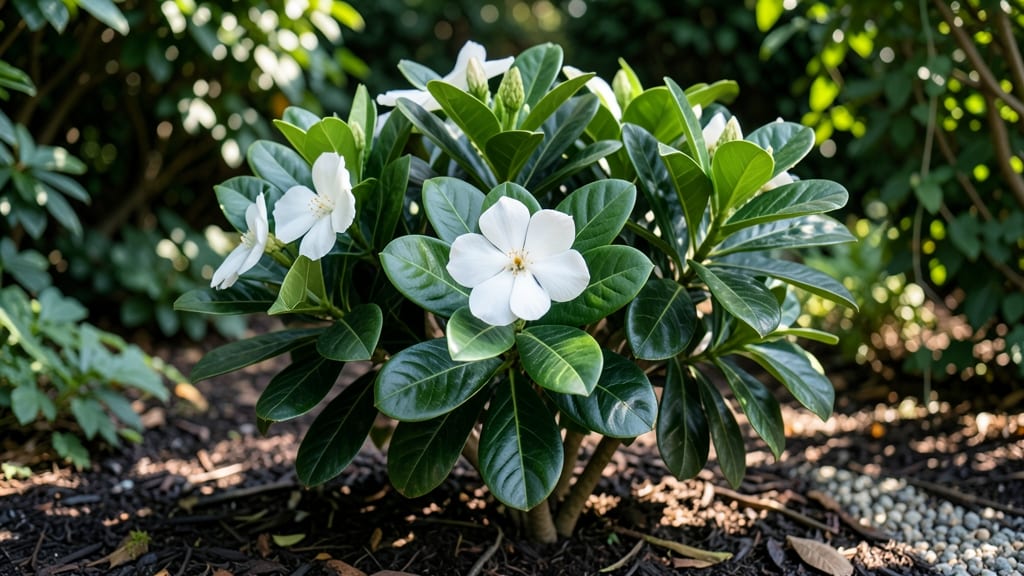
Gardenias stay green all year in warm climates but may drop leaves when exposed to cold weather or dormancy periods. With the right care—consistent moisture, partial shade, and seasonal protection—you can keep their lush foliage vibrant year-round in most growing zones.
Gardenias thrive as evergreens in their native tropical environments, but their leaf retention depends heavily on temperature and care routines. 🌿 In colder regions, gardenias often enter a semi-dormant state, causing leaf drop—a natural survival mechanism to conserve energy.
The key to preventing this is creating a microclimate: use thick mulch around the base, group plants together for shared warmth, and bring container gardenias indoors before the first frost.
Even in mild climates, sudden temperature swings or underwatering can trigger stress-induced leaf loss, so monitoring soil moisture and providing afternoon shade during peak summer heat helps maintain that glossy green appearance.
For container gardenias, the transition between seasons is critical. 💫 Move potted plants to a sheltered spot before winter, and reduce watering slightly once growth slows. In spring, resume regular watering and fertilizing with an acid-loving plant formula to encourage new foliage.
The secret to year-round gardenia success lies in mimicking their natural tropical conditions—consistent moisture, humidity, and protection from extreme temperatures—so they never feel the need to shed leaves.
💡 In This Article
- Why Gardenias Lose Leaves in Winter
- Year-Round Gardenia Care for Lush Green Foliage
Why gardenias lose leaves in winter
Gardenias shed leaves in winter primarily due to their tropical origins and sensitivity to temperatures below 50°F. When exposed to cold, their metabolic processes slow dramatically, triggering a survival response called dormancy.
This isn't true dormancy like bulbs, but a semi-dormant state where the plant conserves energy by dropping older leaves first. The roots, which thrive in USDA zones 8-11, become stressed when soil temperatures drop below 60°F, disrupting nutrient uptake and causing leaf yellowing or abscission.
The botanical mechanism involves ethylene gas production, a plant hormone that signals leaf drop during stress. Cold snaps below 40°F can cause cellular damage in leaves, making them crisp and brown at the edges before falling.
In warmer zones (8-9), gardenias maintain evergreen foliage because they experience minimal temperature fluctuations, while colder zones (10+) may see seasonal leaf loss even with protection. The key threshold is 28°F—any colder can kill branches outright.
Root health plays a surprising role in leaf retention. Gardenias have shallow, fibrous roots that absorb moisture and nutrients efficiently in warm, humid conditions. When winter chills the soil, root activity slows by 50-70%, starving the foliage.
This is why mulching with 4-6 inches of organic matter (like pine bark) is critical—it insulates roots and maintains 55-60°F soil temps, even when air temps drop. Without this protection, roots can't support the existing leaves, leading to premature shedding.
Another factor is light intensity. Gardenias in winter often receive weaker sunlight, which reduces photosynthesis. While they don't need full sun in winter, 4-6 hours of bright indirect light daily helps maintain chlorophyll production.
The combination of cold stress, reduced root function, and weaker light creates a perfect storm for leaf drop. Understanding these interconnected factors helps explain why even well-watered gardenias may lose leaves when temperatures dip.
What most gardeners overlook is the role of humidity. Tropical gardenias thrive in 50-70% humidity, but winter air often drops to 30% or lower, causing leaf edges to dry and brown—a condition called desiccation. This mimics the plant's natural environment where high humidity prevents moisture loss.
In dry climates, adding a pebble tray with water beneath pots or using a humidifier nearby can make a dramatic difference in leaf retention during colder months.
For container gardenias, the risk is even higher because pots lack the thermal mass of garden soil. A 10°F temperature drop can occur overnight in a potted gardenia compared to just 5°F in the ground. This rapid change stresses the plant more quickly, often leading to sudden leaf drop.
The solution is moving containers to sheltered spots or wrapping them in burlap or frost cloth before temperatures fall below 55°F.
Remember: gardenias don't lose leaves because they're "dying"—they're adapting to survive. The goal is to minimize this stress response by creating a stable microclimate that mimics their tropical home, even in winter. 🌿