
Tools
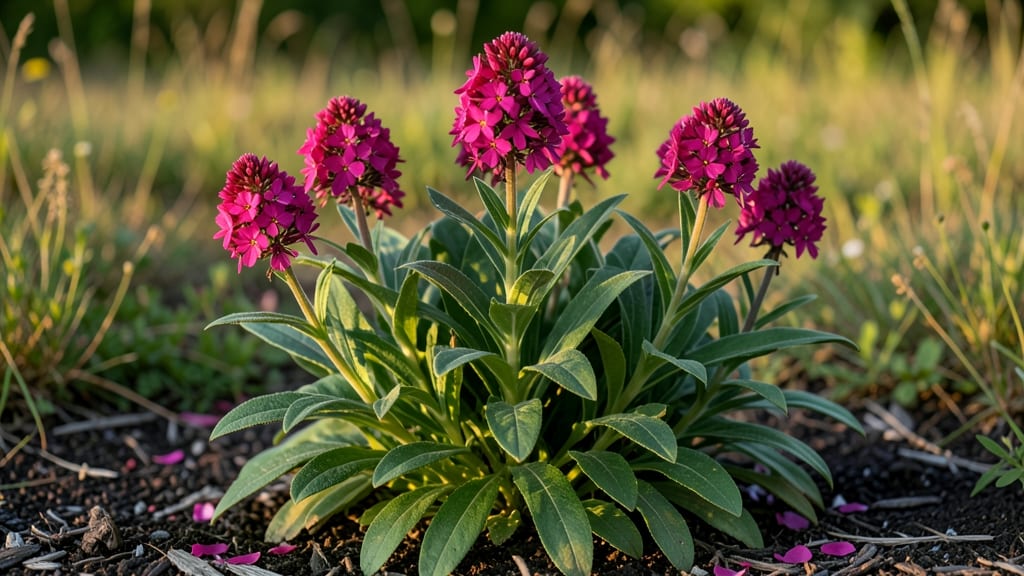
Garden phlox does spread, but it grows gradually through underground stems and self-seeding, typically expanding 12-18 inches per year under ideal conditions. Clumping varieties spread less aggressively than wild types, making them better for controlled garden beds.
This slow but steady growth happens because phlox plants develop both underground rhizomes and produce seeds that scatter naturally. 🌱 The expansion rate depends heavily on soil quality, sunlight exposure, and how you maintain the plants—rich, moist soil with plenty of sunlight can accelerate spread, while dry conditions or shade slow it down.
Clumping varieties are specifically bred to minimize this expansion, making them ideal for gardeners who want to maintain neat borders without constant upkeep.
For those who prefer a more contained look, dividing the clumps every 2-3 years helps control spread while keeping the plants healthy. I’ve found that pruning back faded blooms in early summer also encourages bushier growth rather than letting the plant focus on spreading.
The key is balancing natural growth habits with your garden’s design goals.
💡 In This Article
- How Garden Phlox Propagates and Expands
- Controlling Garden Phlox Growth in Landscapes
How garden phlox propagates and expands
Garden phlox primarily spreads through two natural mechanisms: underground rhizomes and self-seeding. The rhizomes act like horizontal stems that grow just below the soil surface, producing new shoots at nodes spaced about 3-6 inches apart.
These rhizomes store nutrients and push out new growth points, creating a gradual outward expansion. 🌱 In wild types, this spread can reach 18-24 inches per year under optimal conditions, while cultivated clumping varieties grow more slowly at 12 inches or less annually.
The self-seeding habit adds another layer to phlox's expansion. Each flower stalk produces seed pods that release hundreds of tiny, wind-dispersed seeds. These seeds can germinate readily in well-drained soil, creating volunteer plants that pop up unexpectedly.
The combination of rhizome growth and seed dispersal means phlox can naturally fill spaces over time, though the process is slower than more aggressive spreaders like mint or creeping Charlie.
Sunlight and soil moisture dramatically influence this spread. Phlox thrives in full sun to partial shade, with 6-8 hours of direct sunlight per day producing the most vigorous growth. In moist, well-draining soil with organic matter, rhizomes grow more aggressively than in dry or compacted soil.
The plant's natural growth habit means it won't smother nearby plants but will gradually expand its territory if left unchecked.
Temperature also plays a role in phlox's expansion patterns. In cooler climates (USDA zones 3-7), phlox enters dormancy in winter and resumes growth in spring, with most expansion occurring between May and July.
In warmer regions, growth may continue year-round, though flowering peaks in late spring to early summer. This seasonal growth pattern helps gardeners predict and manage spread more effectively.
What most gardeners don't realize is how pruning affects spread. Cutting back flower stalks after the first flush of blooms (around June in most regions) encourages the plant to focus energy on root development rather than seed production.
This simple technique can reduce self-seeding by up to 70% while maintaining the plant's vigor. The rhizomes will still spread, but at a more controlled rate.
For those growing phlox in containers, the rhizomes can actually become a problem. A 5-gallon pot may only hold a phlox plant for 2-3 years before the rhizomes fill the space, requiring division.
This container constraint demonstrates how phlox's natural spread mechanisms work even in limited spaces, though at a slower pace than in garden beds.