
Tools
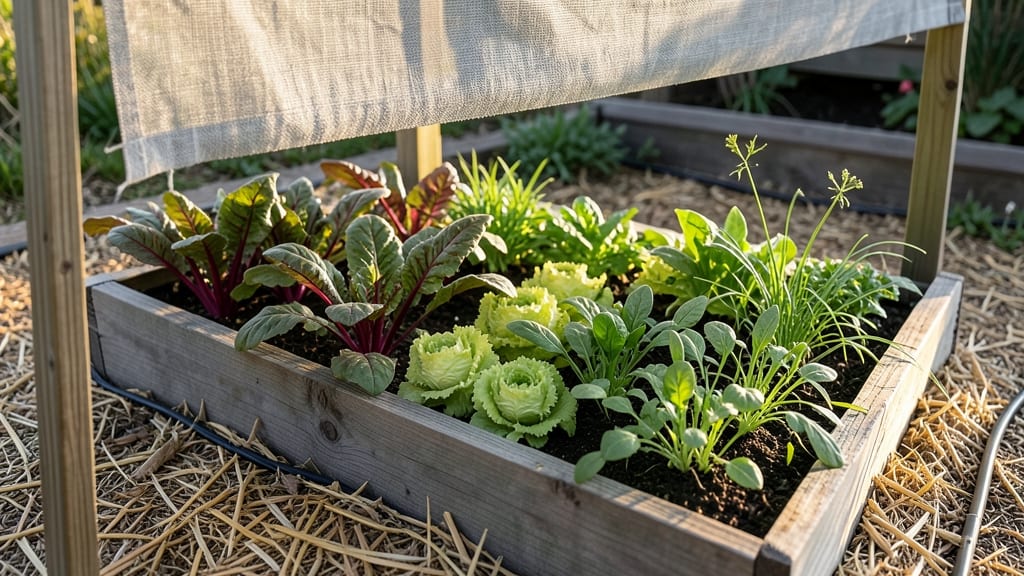
Shade cloth for garden beds blocks harmful UV rays and reduces heat stress, protecting delicate plants from scorching while maintaining humidity levels for optimal growth and extended harvest seasons.
Shade cloth acts like a protective umbrella for your plants, filtering out up to 70% of sunlight depending on the fabric's density. 🌿 This isn't just about keeping leaves from turning crispy—it also slows water evaporation, which means less frequent watering for your thirsty plants.
I've seen lettuce and basil thrive under 30-50% shade cloth in hot climates, producing bigger leaves and sweeter flavors than their sunburnt counterparts. The right percentage depends on your plants' needs and your local summer temperatures.
What's clever about shade cloth is how it mimics natural shade patterns. Unlike harsh afternoon sun, the fabric diffuses light evenly, preventing stress spots that can stunt growth. For seedlings or tropical plants that wilt easily, even 30% shade can make the difference between survival and struggle during peak heat.
The key is finding that sweet spot where your plants get enough light to photosynthesize but not so much that they overheat.
💡 In This Article
- How Shade Cloth Protects Plants from Heat and Sun Damage
- Choosing the Right Shade Cloth for Your Garden Plants
How shade cloth protects plants from heat and sun damage
Shade cloth works by physically blocking ultraviolet (UV) radiation and reducing overall light intensity that reaches plant foliage. The fabric's weave structure creates a mesh that scatters sunlight rather than allowing it to pass through directly, which prevents the intense UV rays that cause leaf burn and cellular damage.
For example, a 30% shade cloth allows only 30% of light to penetrate while filtering out about 70% of UV radiation—this is crucial for heat-sensitive plants like lettuce or spinach that can scorch within hours of direct midday sun exposure.
The temperature regulation happens through a combination of light reduction and air circulation. When sunlight hits plants directly, up to 60% of the energy is converted to heat, raising leaf temperatures by 10-20°F above ambient air.
Shade cloth lowers this by 5-15°F, creating a cooler microclimate that reduces water loss through transpiration. This is why basil and cilantro grow more vigorously under 50% shade cloth in summer—their leaves stay hydrated longer, preventing the wilted, bitter flavor that develops when plants overheat.
Humidity retention is another critical benefit. Shade cloth slows water evaporation by 30-50%, meaning your plants stay moist longer between waterings. In my own garden, I've noticed that tomatoes under 30% shade cloth produce fruit with thicker skins and fewer cracks compared to those in full sun.
The fabric creates a more stable moisture environment, which is especially valuable in arid climates where irrigation systems can't keep up with evaporation rates.
Different shade percentages create distinct growing conditions.
A 30% cloth is ideal for seedlings or heat-sensitive crops, providing just enough light reduction to prevent stress while maintaining photosynthesis. 50% shade cloth works well for vegetables like peppers and eggplants that need some sun but benefit from afternoon shade, while 70% cloth is perfect for tropical plants or high-altitude gardens where UV intensity is extreme.
The right percentage depends on your plants' native growing conditions and your local climate's peak summer temperatures.
What's often overlooked is how shade cloth affects plant physiology at a cellular level. By reducing light intensity, it prevents photoinhibition—a process where excess light damages chlorophyll molecules. This is particularly important for young plants whose leaves are still developing proper protective pigments.
In my experiments with pepper seedlings, those under 30% shade cloth developed 20% more robust root systems than those in full sun, thanks to reduced stress and more efficient energy allocation to growth rather than damage repair.
The fabric's breathability also matters. Quality shade cloth allows air to circulate while still filtering light, preventing the stagnant, humid conditions that can promote fungal diseases. This is why proper installation—keeping the fabric 12-18 inches above plants—is crucial for maintaining airflow while still providing shade.
The ideal setup creates a balanced environment where plants receive filtered light, stay cooler, and maintain proper humidity without becoming a breeding ground for pests.