
Tools
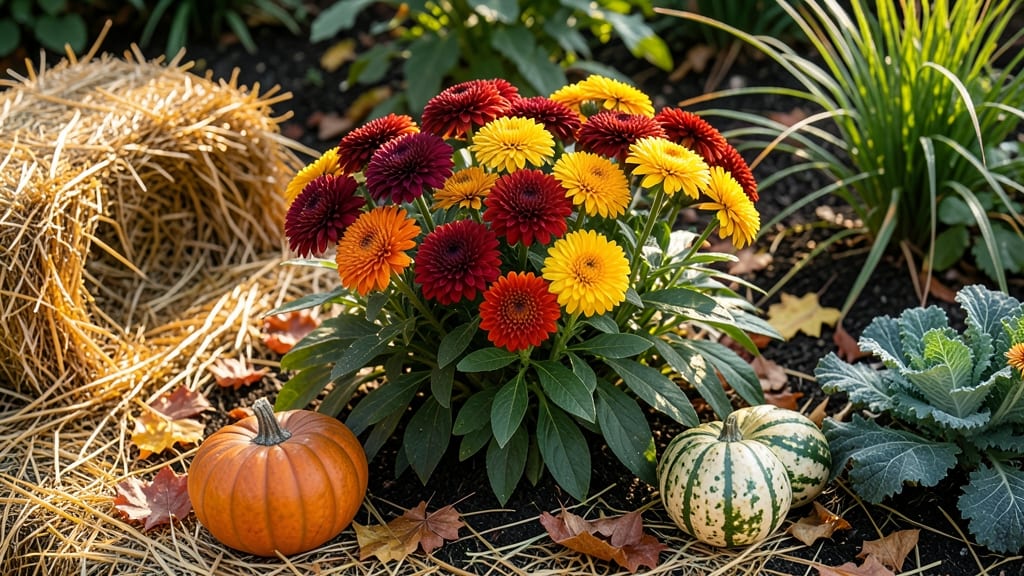
Planting a fall garden in Zone 8A starts after the first frost, usually around mid-October, with your best window for cool-season crops like kale, spinach, and carrots lasting until early December. Frost typically arrives between November 15 and December 15, giving you 60-90 days to harvest before winter settles in.
Understanding your local frost patterns is key to timing your fall garden right in Zone 8A. 🌱 The USDA's average frost dates for this zone can shift by up to two weeks depending on elevation—higher areas freeze earlier, while urban heat islands may delay frost by several days.
I always check NOAA's frost probability maps for my specific area, as microclimates can create big differences in what actually grows successfully. For example, areas near large bodies of water might stay frost-free a week longer than inland spots.
Once you've locked in your frost dates, focus on planting fast-growing crops first. Leafy greens like spinach and lettuce mature in about 30-40 days, while root vegetables such as carrots and beets need closer to 60 days.
Brassicas like broccoli and cabbage are more cold-hardy and can handle the shorter days of late fall. I recommend starting with a mix of quick harvesters and longer-season crops to maximize your garden's productivity before winter arrives.
💡 In This Article
- Zone 8A Frost Dates and Microclimate Variations
- Best Fall Crops for Zone 8A Success Timeline
Zone 8A frost dates and microclimate variations
The first frost in Zone 8A typically arrives between November 15 and December 15, but these dates can shift dramatically due to local geography. Elevation plays a huge role—every 1,000 feet gain in altitude can advance frost by 3-5 days.
For example, a garden at 1,500 feet elevation might see frost by early November, while coastal areas near the ocean could delay it until mid-December due to moderating ocean currents. 🌬️
Urban heat islands create another critical variation. Cities like San Diego or Los Angeles can experience frost dates 1-2 weeks later than surrounding rural areas because concrete and asphalt absorb and retain heat.
The temperature difference between urban and rural zones can reach 5-10°F at night, creating microclimates where some crops thrive while others fail nearby. I've seen lettuce bolt in rural areas but flourish in urban gardens with the same planting dates.
Topography matters too. Valleys often freeze earlier than hillsides because cold air sinks and pools at lower elevations. A garden in a valley might experience frost 7-10 days before a nearby hilltop location.
This is why I always scout my garden's specific microclimate by observing when nearby plants like tomatoes or basil show frost damage—these serve as natural frost indicators. 🌿
For precise planning, I recommend using the USDA Plant Hardiness Zone Map combined with NOAA's Frost Probability Tool. These resources show 30-year averages but also include 10-year trends that account for climate change impacts.
For instance, recent data shows Zone 8A frost dates creeping later by 3-5 days per decade in many areas, which means some traditional fall crops might now have slightly longer growing windows.
One pro tip: Plant a frost-sensitive test crop like basil or zinnia a few weeks before your expected frost date. If they survive overnight temperatures at 32°F, you've got a few extra days for cool-season planting.
Conversely, if they die quickly, you'll know to accelerate your harvest timeline. This simple test can save you from losing entire plantings to unexpected early frosts. ❄️
Remember that frost isn't just about temperature—it's also about radiation frost (clear nights with calm winds) versus advection frost (cold air masses moving in). Radiation frosts are more common in fall and can create patchy freezing that's harder to predict.
This is why I always have row covers or cold frames ready—even when the forecast shows 35°F nights, radiation frost can drop temperatures to 28°F in sheltered garden spots.