
Tools
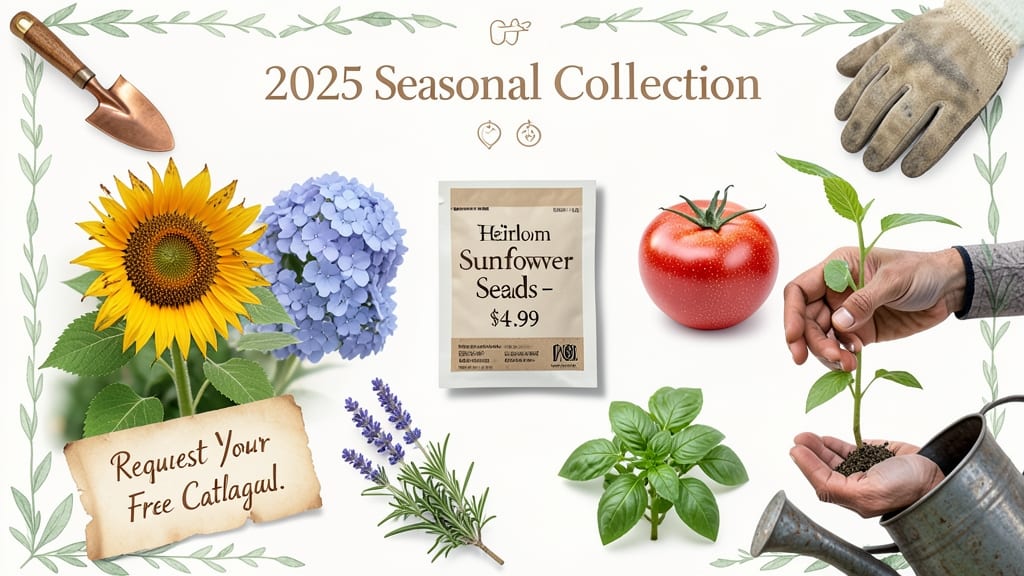
Requesting a garden catalog lets you explore free printed or digital plant guides from nurseries and seed companies, where you’ll find region-specific seed selections and expert-curated varieties tailored to your gardening needs.
Many gardeners rely on these catalogs to discover new plants, compare varieties, and access seasonal recommendations without leaving home. 🌱 The best part? Most reputable suppliers offer them for free—just provide your contact details and gardening preferences.
I’ve found that digital versions often include interactive tools like planting calendars, while printed catalogs provide tactile inspiration for sketching garden layouts.
For optimal results, check a company’s website for their catalog request page or contact form—some even offer bonus seeds or discounts with your first order. Always verify the sender’s legitimacy to avoid scams, especially when dealing with printed materials.
💡 In This Article
- Why Garden Catalogs Are Valuable for Plant Selection
- Top Seed Companies and Nurseries for Free Catalogs
Why garden catalogs are valuable for plant selection
Garden catalogs serve as curated plant libraries, offering expertly selected varieties that thrive in your specific climate zone. Companies like Burpee and Park Seed invest in regional research to recommend plants that align with your hardiness zone—something you won’t find in generic big-box store seed packets.
For example, a catalog from a supplier in Zone 5 will highlight cold-hardy varieties like Purple Majesty tomatoes (which tolerate 25°F temperatures) rather than heat-sensitive heirlooms.
The real value lies in their seasonal timing and specialized knowledge. Catalogs often include planting charts that account for your last frost date (typically April 15-May 1 in most northern regions) and first frost date, helping you avoid common mistakes like sowing frost-sensitive basil too early.
Many also feature organic-certified and heirloom varieties that mainstream retailers overlook, giving you access to unique flavors like 'Black Krim' tomatoes or 'Lavender Haze' peppers.
For beginners, these catalogs simplify decision-making with clear descriptions of plant characteristics. A catalog might note that 'Sweet 100' cherry tomatoes produce 1-2 ounces of fruit per cluster but require 6-8 feet of trellis space, while 'Roma' tomatoes yield fewer but larger 3-4 ounce fruits ideal for sauces.
This level of detail helps prevent costly mistakes like buying plants that won’t thrive in your garden’s conditions.
Experienced gardeners benefit from advanced features like companion planting guides and pest-resistant variety recommendations. For instance, a catalog might suggest planting 'Marigold' flowers near tomatoes to deter nematodes, or recommend 'Early Girl' tomatoes (which mature in 50-60 days) for short-season gardens.
These insights save time and increase yield, making catalogs a gardener’s secret weapon.
Digital catalogs add interactive tools that printed versions can’t match. Many now include planting calculators that adjust for your specific location, video tutorials on pruning techniques, and community forums where you can ask questions about specific varieties.
The tactile experience of flipping through a printed catalog, however, remains unmatched for visualizing garden layouts and sketching plant placements.
What most gardeners don’t realize is that these catalogs often come with exclusive offers. Requesting one might grant you access to limited-edition seeds or discount codes for your first order, making them a smart starting point for any gardening season.
The best part? They’re completely free—just your contact information in exchange for a wealth of gardening knowledge.