
Tools
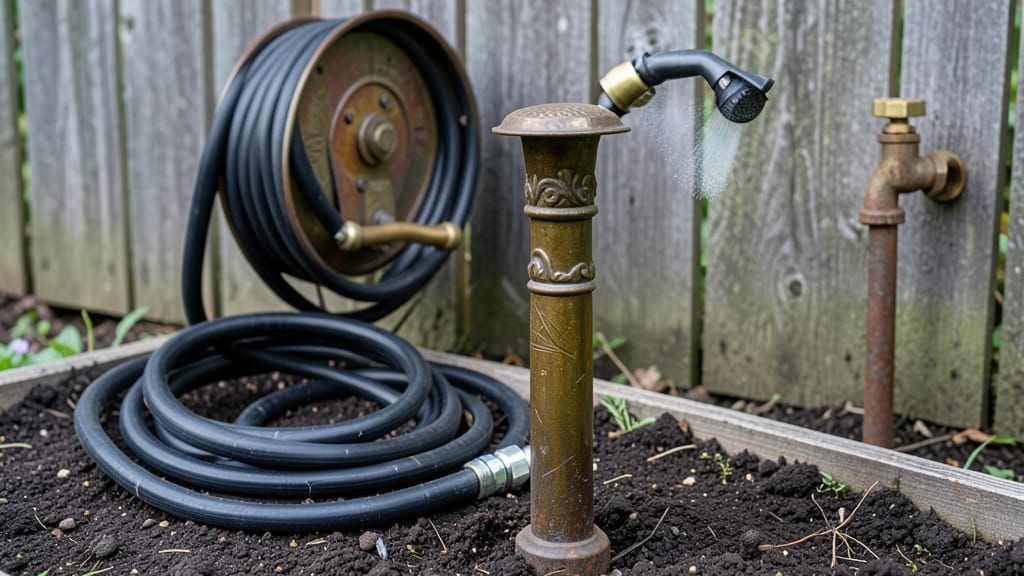
A garden hose post installation depends on anchoring it to a solid foundation, positioning it near your water source, and using the right hardware to keep it stable. This ensures it holds up through regular use and harsh weather.
A sturdy garden hose post isn't just about holding your hose—it's the backbone of your outdoor watering system. 🌱 The right post prevents leaks, reduces strain on your connections, and protects against wind or accidental tugs.
I always recommend metal posts for heavy-duty use, especially in windy areas, while plastic versions work well for lightweight setups. Proper alignment with your spigot also minimizes hose kinks and makes water flow smoother during long watering sessions.
If you're dealing with clay soil or high foot traffic, adding concrete anchors or ground stakes can make all the difference in longevity.
Don't overlook the small details like weatherproofing or rust-resistant coatings—they can extend your post's life by years. For extra convenience, consider installing a hose reel attachment directly to the post. This keeps your hose organized and prevents tangles, making yard work a breeze.
Whether you're setting up a new irrigation system or replacing an old post, taking these steps ensures your setup stays functional and frustration-free for seasons to come.
💡 In This Article
- Choosing the Right Garden Hose Post for Your Yard
- Tools and Materials Needed for a Secure Hose Post Installation
Choosing the right garden hose post for your yard
The material of your garden hose post directly impacts its durability and performance. Metal posts, typically made from galvanized steel or aluminum, offer the highest weight capacity and resistance to wind—ideal for heavy-duty hoses or large gardens.
Their rigidity prevents bending under pressure, which is critical when connecting to high-flow spigots or using hoses with 5/8-inch or larger diameters. For example, a 3-foot galvanized steel post can support up to 50 pounds of hose weight without sagging, making it perfect for professional-grade setups.
Plastic posts, often made from UV-resistant polyethylene, are lighter and easier to install but lack the structural integrity of metal. They're best suited for lightweight hoses (3/8-inch to 1/2-inch) in low-wind areas or small gardens. The trade-off?
Plastic posts may warp over time when exposed to prolonged sunlight unless they're coated with UV inhibitors. Composite posts blend the benefits of both—durability like metal with the lightweight ease of plastic—but they cost significantly more and are harder to find in standard hardware stores.
Your garden layout also dictates the post's design. For tight spaces near walls or fences, consider a wall-mounted bracket that attaches directly to the structure, eliminating the need for a freestanding post. These brackets distribute weight evenly and reduce the risk of wobbling during use.
In open areas, freestanding posts with ground stakes or concrete footings provide the most stability, especially in clay soil where roots can loosen shallow anchors over time.
Don’t overlook the hose connection type either. Posts with threaded female connectors (for male-threaded spigots) or quick-connect fittings (for push-on hoses) ensure a leak-free seal. The wrong fitting can lead to drips, wasted water, and even hose damage.
For instance, a post with a 3/4-inch threaded connector won’t work with a 5/8-inch hose—you’d need an adapter, which adds complexity and potential failure points.
Weather resistance is another critical factor. Galvanized steel posts resist rust for 5-10 years in moderate climates, while aluminum posts last even longer but at a higher cost. If you live in a coastal area, salt spray can accelerate corrosion, so opt for stainless steel or coated aluminum.
For plastic posts, look for those labeled "UV-stabilized" to prevent brittle cracking in sunny regions. The right material choice can extend your post’s lifespan by 30-50%, saving you money and hassle in the long run.
Pro tip: If you’re unsure about the post’s weight capacity, test it with your heaviest hose before full installation. Fill the hose with water and let it hang for 5 minutes—if the post doesn’t bend or shift, it’s ready for permanent setup.
This simple check can prevent costly mistakes down the line.