
Diseases
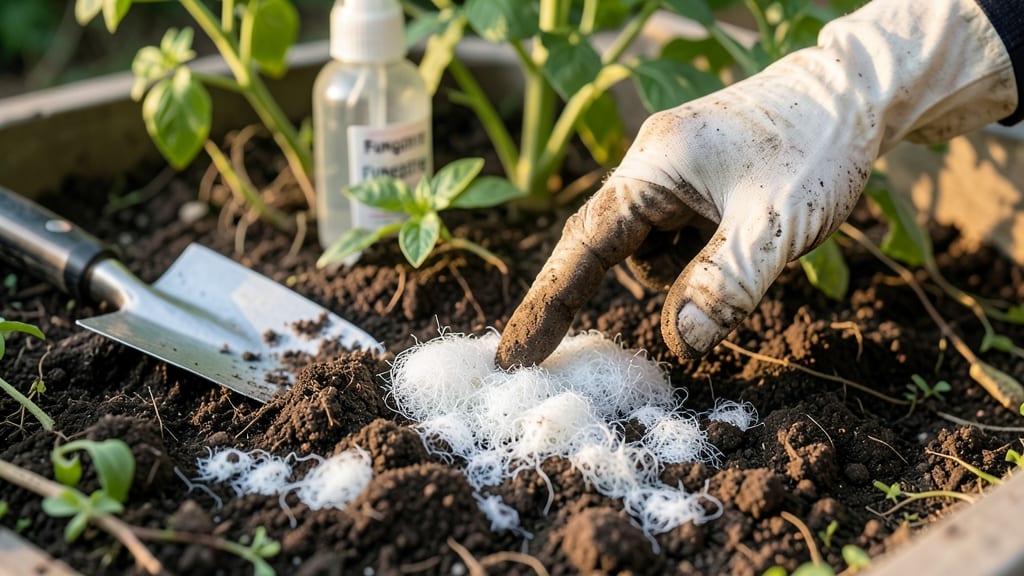
If your garden soil has white fungus, you're likely dealing with powdery mildew, mold, or mycorrhizal fungi. Check the texture—fluffy patches mean mildew, while thread-like strands suggest mycorrhizal networks—and treat accordingly with baking soda, vinegar, or leave beneficial fungi untouched to support root growth.
White fungal growth in garden soil isn't always a red flag—some types actually help plants thrive. 🔥 Powdery mildew, the most common offender, appears as chalky white dust and can weaken plant health if left unchecked.
Mold, on the other hand, tends to look fuzzy and often signals excess moisture or decaying organic matter. Mycorrhizal fungi, though, form delicate white threads that boost nutrient absorption for your plants.
For quick fixes, baking soda mixed with water works wonders against mildew, while vinegar solutions tackle mold by disrupting its growth cycle. The key is acting fast—once these fungi spread, they can become harder to control.
I always recommend testing a small patch first to avoid over-treating beneficial organisms that keep your garden flourishing.
💡 In This Article
- Identifying White Fungus in Soil: Types and What They Mean
- Natural Remedies to Remove or Manage White Fungus in Garden Soil
Identifying white fungus in soil: types and what they mean
White fungal growth in soil isn't one-size-fits-all—it can range from harmless mycorrhizal networks to problematic pathogens like powdery mildew.
The first step is examining the texture: powdery mildew appears as a chalky, dusty coating on soil surfaces or plant leaves, caused by the fungus Erysiphe that thrives in humid conditions (60-80% humidity).
Under a magnifying glass, you'll see these spores resemble fine powder or flour sprinkled across surfaces, often accompanied by yellowing leaves as the fungus steals nutrients from plants.
Mold, another common culprit, looks fuzzy or cottony with a slightly darker base than the white surface layer. This type often indicates excess moisture or decaying organic matter, as mold spores like Rhizopus feed on decomposing materials. The key difference?
Mold tends to grow in clumps or patches rather than spreading uniformly like mildew. Mycorrhizal fungi, however, form intricate white threads or strands that resemble spider webs—these beneficial fungi actually help plants absorb water and nutrients, so disturbing them can harm your garden rather than help.
The science behind these differences lies in their growth patterns and ecological roles. Powdery mildew spreads via windborne spores that land on plant surfaces, while mold spores hitch rides on water droplets or organic debris.
Mycorrhizal fungi, on the other hand, form symbiotic relationships with plant roots, creating a network that extends the root system's reach. This is why they appear as delicate, thread-like structures rather than powdery coatings—think of them as nature's underground internet for plants.
Visual identification is crucial because treatment varies dramatically. Powdery mildew requires fungicidal action (like baking soda solutions), mold needs moisture control, and mycorrhizal fungi should be left undisturbed.
For example, I once had a tomato bed with white powder that turned out to be mildew—after treating with a baking soda spray, the plants recovered within two weeks.
But in another garden, similar white growth turned out to be mycorrhizal networks, and disturbing it caused root stress in my peppers.
Here's a quick visual guide to help you tell them apart:
- Powdery Mildew: Chalky white dust, often on leaves or soil surface (like baby powder)
- Mold: Fuzzy patches with possible dark spots at base (like cotton balls)
- Mycorrhizal Fungi: Delicate white threads/webs in soil (like spider silk)
Remember, the soil's moisture level is your first clue—dry soil with powdery growth? Likely mildew. Damp soil with fuzzy patches? Probably mold. And if you see those thread-like structures, congratulations—your plants have natural allies working underground! 🌱