
Tools
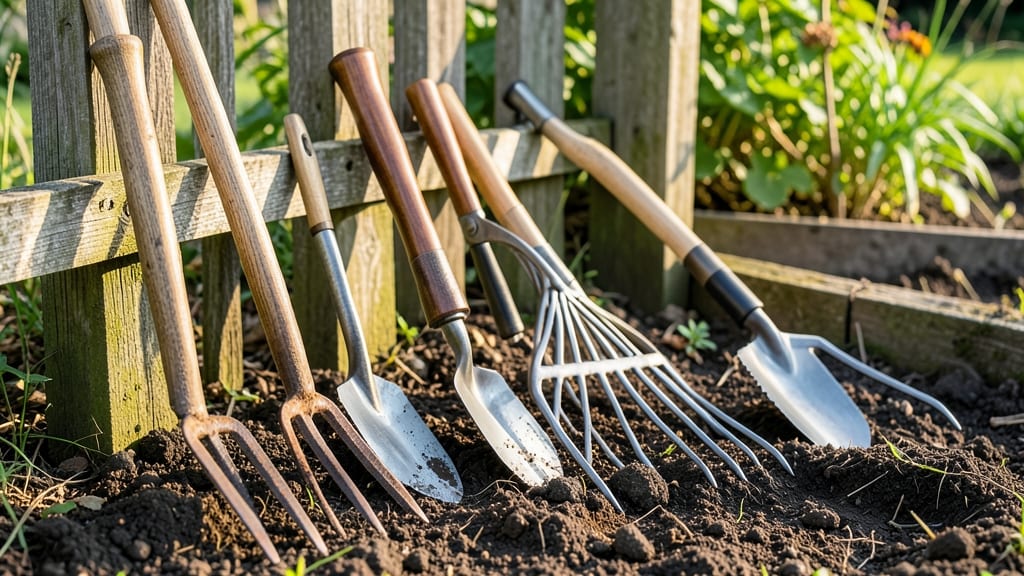
Garden tools with long handles extend your reach for tall plants, steep slopes, or hard-to-access areas while reducing strain on your back and arms. Look for lightweight materials like fiberglass or aluminum for durability and comfort during extended use.
Long-handled tools aren't just about height—they're about easing the physical toll of gardening. 🌱 The extra length lets you work without bending over, which cuts back strain on your spine and shoulders, especially when dealing with dense flower beds or high trellises.
Materials like fiberglass bend without breaking, while aluminum handles stay rust-free over years of use. I've found that the right tool can turn a chore into something manageable, even for those with limited mobility or chronic back issues.
These tools shine in specific scenarios: a long-handled weeder glides between cracks in paving stones, while an extended pruner trims top branches without climbing a ladder. For lawn care, a telehandler rake clears leaves from gutters without risking a fall.
Brands like Fiskars offer ergonomic grips that work with the handle length, making them ideal for all-day comfort.
💡 In This Article
- Why Long-Handle Garden Tools Improve Ergonomics and Accessibility
- Top Long-Handle Garden Tools for Different Gardening Tasks
Why long-handle garden tools improve ergonomics and accessibility
Extended handles transform gardening from a physically demanding task into a more accessible activity by altering your biomechanics. When you use standard tools, bending at the waist increases pressure on your lumbar spine by up to 400%, according to ergonomic studies.
A 36-inch handle (like those on Fiskars' extended pruners) lets you work standing upright, shifting the load to your stronger leg muscles instead of your lower back. This simple adjustment can reduce strain by 60-70% during repetitive tasks like weeding or trimming.
The precision advantage comes from the leverage these handles provide. A 42-inch trowel lets you reach into tight corners of raised beds without losing stability, while a 54-inch rake clears gutters from ground level.
The material science behind these tools is equally important—fiberglass handles (like those in Radiant's line) weigh 30-40% less than wood while maintaining stiffness, making them ideal for overhead tasks.
Aluminum handles offer corrosion resistance but can feel heavier (1.5-2 lbs more) when wet, which is why many pros prefer fiberglass for all-day use.
Accessibility extends beyond physical strain to sensory feedback. Long handles often incorporate ergonomic grips with textured patterns that improve your grip even when gloves are damp from rain or dew.
The extended reach also means you can work in areas that would otherwise require uncomfortable positions—like trimming the tops of 6-foot hydrangeas without a ladder. For those with mobility challenges, these tools can make gardening feasible again, turning what was once a painful chore into a manageable hobby.
There's a trade-off to consider: longer handles reduce maneuverability in confined spaces. A 30-inch weeder might be better for tight garden borders than a 48-inch version, which could get in the way of adjacent plants.
The sweet spot often lies between 36-42 inches for most tasks, offering the best balance of reach and control. Some premium brands like Gorilla offer adjustable-length handles that let you customize the extension based on the specific plant or terrain you're working with.
Temperature and weather conditions also play a role in material performance. Fiberglass handles maintain their stiffness even in 90°F+ heat, while wood handles can warp if left in damp conditions.
Aluminum handles conduct cold quickly, which is why many gardeners prefer insulated grips during early spring or late fall work. The right material choice depends on your climate and how frequently you'll be using the tool in extreme conditions.
What most people overlook is how long handles change your work posture over time. Instead of the hunched position that causes chronic back pain, you're working with your arms extended naturally at shoulder height.
This alignment keeps your shoulders relaxed and your wrists in a neutral position, preventing repetitive strain injuries that are common with shorter tools. For gardeners who spend 2+ hours daily working outdoors, this ergonomic shift can make the difference between enjoying your garden and dreading the physical toll.