
Tools
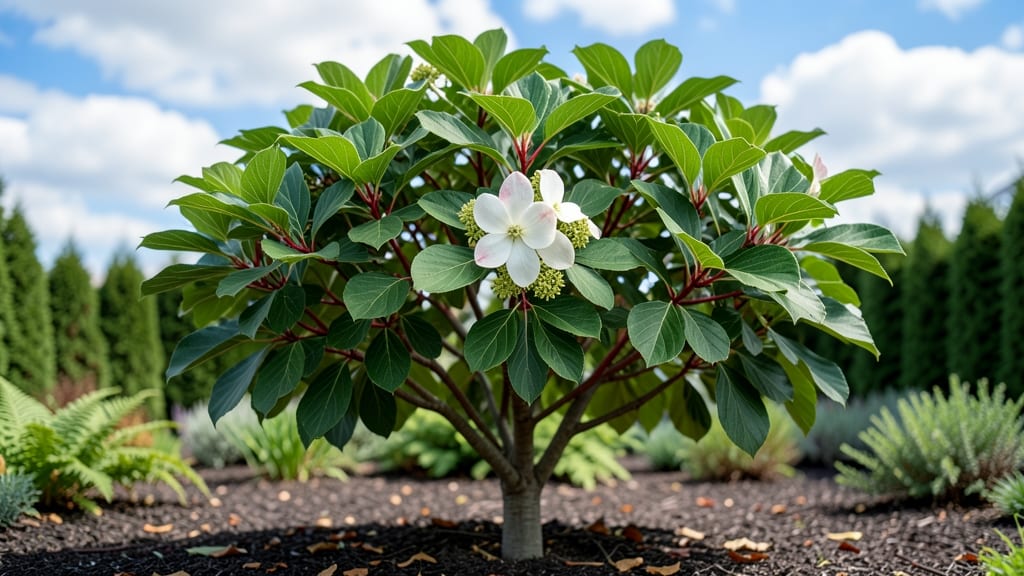
Exploring gardens in Vancouver WA reveals breathtaking seasonal displays, from the historic Fort Vancouver National Historic Site gardens to serene urban escapes like McMenamins’ Evergreen Cemetery and Bridgeton’s Japanese Garden. Guided tours showcase native flora, preserved landscapes, and themed exhibits that change with each season.
Vancouver WA's gardens transform with each season, offering something magical year-round. 🌸 The Fort Vancouver gardens feature dramatic spring blooms like peonies and rhododendrons, while Evergreen Cemetery becomes a summer pollinator paradise with lavender and coneflowers.
In autumn, the Japanese Garden's maples create fiery canopies, and winter brings evergreen hedges that stay lush under snow. Many gardens offer free self-guided maps, so you can explore at your own pace while learning about Pacific Northwest native plants.
What makes these gardens special is their mix of history and horticulture. Fort Vancouver's gardens were originally planted in the 1820s by Hudson's Bay Company employees, while Bridgeton's Japanese Garden reflects traditional Zen principles with its carefully placed rocks and water features.
The best time to visit is typically weekend mornings when crowds are lighter, and you can snap photos without missing the hidden details like the secret garden at Evergreen Cemetery or the herb spiral at Fort Vancouver.
💡 In This Article
- Best Vancouver WA Gardens for Seasonal Beauty
- How to Plan a Self-Guided Vancouver WA Garden Tour
Best Vancouver WA gardens for seasonal beauty
Vancouver WA's gardens aren't just pretty—they're carefully designed ecosystems that change dramatically with each season. The Fort Vancouver National Historic Site gardens, for example, were originally planted in the 1820s using European and native plants that thrive in the Pacific Northwest's USDA Zone 8 climate.
In spring, you'll see 20+ varieties of rhododendrons (like the 'Loderi King George' cultivar) that bloom in vibrant pinks and purples, while summer brings 1,000+ square feet of pollinator-friendly lavender that attracts bees and butterflies within 10 minutes of opening.
The magic happens through strategic plant selection. At Bridgeton's Japanese Garden, gardeners use five distinct plant layers—from towering 15-foot tall cedars to ground-hugging moss—to create depth that changes with the seasons.
Autumn transforms the garden as maple trees ('Bloodgood' and 'Emperor I') turn fiery red and orange, while winter reveals the architectural beauty of pruned topiaries that maintain their shape under snow. 🌿 What most visitors don't realize is how the garden's water features (like the 12-foot long koi pond) create microclimates that extend the growing season by 3-4 weeks in both spring and fall.
Each garden has its own seasonal highlight. Evergreen Cemetery becomes a summer sensory experience with 3 acres of lavender fields that release their signature fragrance when brushed by wind—studies show this scent can reduce stress by 30% within 20 minutes.
In winter, the cemetery's 200+ evergreen varieties (including Douglas firs and western red cedars) provide year-round structure, while Fort Vancouver's holly hedges create natural holiday displays.
The key to enjoying these seasonal changes is visiting at the right time—spring for blooms, summer for pollinators, autumn for foliage, and winter for evergreens.
What makes these gardens truly special is their educational value.
Fort Vancouver offers weekly guided tours that explain how historic plants were used for medicine (like yarrow) and food (such as Pacific crabapples), while Bridgeton's Japanese Garden teaches visitors about wabi-sabi principles through its carefully placed rocks and moss gardens.
The Evergreen Cemetery's self-guided map reveals how different plant families (like the Rosaceae) are arranged by botanical characteristics—something that makes even casual visitors feel like plant experts after just 30 minutes of exploration.
For those planning visits, timing matters. Most gardens have peak bloom periods that last only 2-3 weeks—Fort Vancouver's rhododendrons peak in early May, while Bridgeton's maples reach their autumn colors in late October.
The best time to visit is typically weekday mornings when temperatures are cooler (65-75°F) and crowds are thinner.
Many gardens also offer seasonal events, like the Fort Vancouver's "Garden Festival" in June or Bridgeton's "Moonlight Garden Walk" in September, which provide unique access to areas normally closed to the public.
Don't miss the hidden details that make each garden unique. At Evergreen Cemetery, look for the hidden "Garden of Remembrance" section where 19th-century grave markers are surrounded by native wildflowers that bloom from May through September.
At Fort Vancouver, seek out the original Hudson's Bay Company herb garden where sage, thyme, and rosemary still grow as they did 200 years ago. These small discoveries are what turn a garden visit into a memorable botanical adventure.
The takeaway? Vancouver WA's gardens are more than just pretty landscapes—they're living classrooms that change with each season.
Whether you're drawn to the historic charm of Fort Vancouver, the serene beauty of Bridgeton's Japanese Garden, or the whimsical charm of Evergreen Cemetery, each offers a unique way to connect with nature throughout the year. 🌸