
Planting
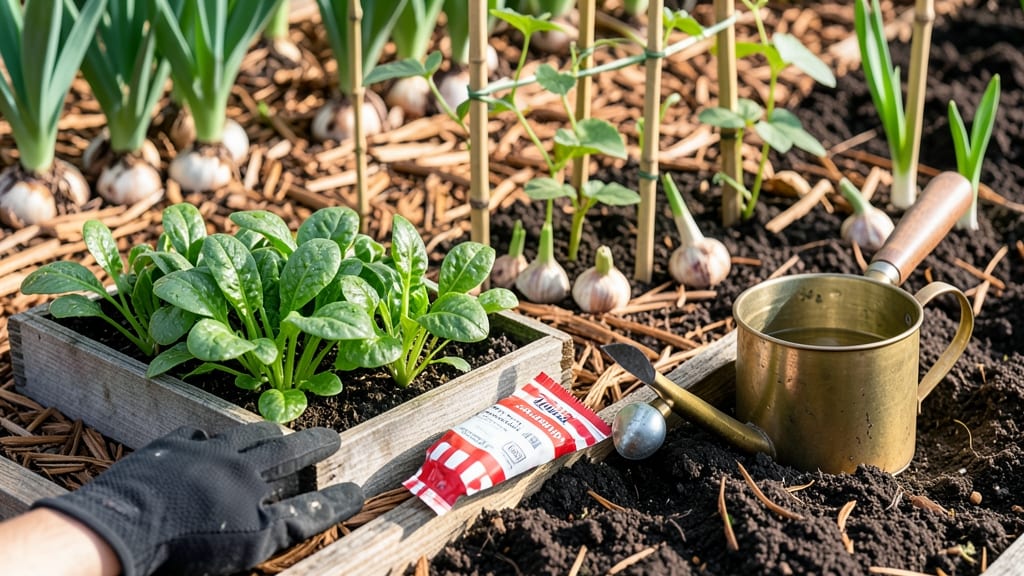
Now is the time for gardeners to start planting seeds and bulbs in most regions, with frost-free dates ranging from late February to early April depending on your location. Verify your USDA zone to pinpoint the ideal window and select hardy varieties for optimal growth.
Timing is everything when it comes to planting, and your local climate plays a huge role. 🌱 Coastal areas often warm up faster than inland spots, which can shift your planting window by weeks.
For example, gardeners in Zone 5 might start peas in early March, while those in Zone 8 could begin as early as February. I always recommend testing soil temperature with a simple thermometer—most seeds need at least 40°F to sprout reliably.
The key is balancing warmth with frost risk, so don't rush if nighttime temps still dip below freezing.
Cold-hardy varieties like lettuce, spinach, and tulip bulbs are perfect for early planting, while frost-sensitive plants should wait until after the last expected frost. Mulching with straw or leaves can extend your planting window by protecting tender shoots.
Pro tip: Mark your calendar with the average frost date for your area—this simple step prevents overplanting too early and wasting seeds.
💡 In This Article
- Understanding Frost-Free Deadlines by USDA Plant Hardiness Zones
- Best Early-Season Seeds and Bulbs for Cold Climates
Understanding frost-free deadlines by USDA plant hardiness zones
The USDA Plant Hardiness Zone Map divides North America into 13 zones based on average annual minimum temperatures, which directly influences when you can safely plant seeds and bulbs.
Each zone represents a 10°F difference in cold tolerance—Zone 3 (below -40°F) has the harshest winters, while Zone 10 (above 30°F) rarely sees frost. This system helps gardeners predict when soil temperatures will consistently stay above 40°F, the threshold most seeds need to germinate.
Your planting window shifts dramatically depending on your zone. For example, gardeners in Zone 5 (common in the Midwest) typically see their last frost around April 15th, while those in Zone 9 (Southern California) can start as early as February 1st.
Coastal areas often warm up faster due to ocean currents, creating microclimates where you might plant 2-3 weeks earlier than inland neighbors just 50 miles away.
To find your zone, use the USDA's interactive map and enter your ZIP code—this precision prevents costly mistakes like planting too early when a late frost could kill tender seedlings.
Soil temperature matters more than air temperature for planting success. A simple soil thermometer (available for $10) reveals whether your garden bed has reached the ideal range—most cool-season crops thrive when soil stays between 45-65°F.
For instance, peas and lettuce can handle 40°F soil, but tomatoes need at least 60°F to avoid stunted growth. I’ve learned the hard way that rushing into planting warm-season seeds (like beans or cucumbers) before the soil warms enough leads to poor germination rates, even if the air feels spring-like.
Nighttime temperatures are the real villain for early plantings. Even if daytime highs reach 65°F, a 32°F dip can devastate young plants. This is why gardeners in Zones 3-6 often wait until after the average last frost date (not the earliest possible date) to plant frost-sensitive crops.
For bulbs like tulips or daffodils, however, the timing is different—they need to be planted in fall (6-8 weeks before ground freezes) to establish roots before winter dormancy.
Don’t overlook the role of elevation in your planting schedule. Areas 1,000 feet above sea level can experience 3-5°F colder temperatures than nearby valleys, delaying your frost-free date by 1-2 weeks.
For instance, Denver (Zone 5) might have a last frost around May 1st, while nearby Boulder (Zone 4) could see frost until May 15th. Always check local weather records for the past 5 years—unpredictable weather patterns mean your "average" frost date might not hold true every year.
For container gardeners or those with limited space, microclimates become even more critical. A south-facing wall can create a 5°F warmer zone than the rest of your yard, allowing you to plant 1-2 weeks earlier.
Similarly, raised beds warm up faster than in-ground soil because they’re exposed to more sunlight and air circulation.
If you’re unsure about your microclimate, try the frost cloth test: Lay a piece of frost protection fabric over a test plot overnight—if it survives without damage, your plants are likely safe to emerge.
Here’s a quick reference for common zones and their typical planting windows:
- Zones 3-4 (Northern U.S./Canada): Start seeds indoors 8-10 weeks before last frost (late March–early April)
- Zones 5-6 (Midwest/Northeast): Direct sow hardy crops by mid-April, wait until May 1st for warm-season seeds
- Zones 7-8 (Southeast/Southwest): Plant cool crops by February 15th, warm crops after March 15th
- Zones 9-10 (California/Southern Florida): Year-round planting possible; focus on seasonal rotations