
Aphids
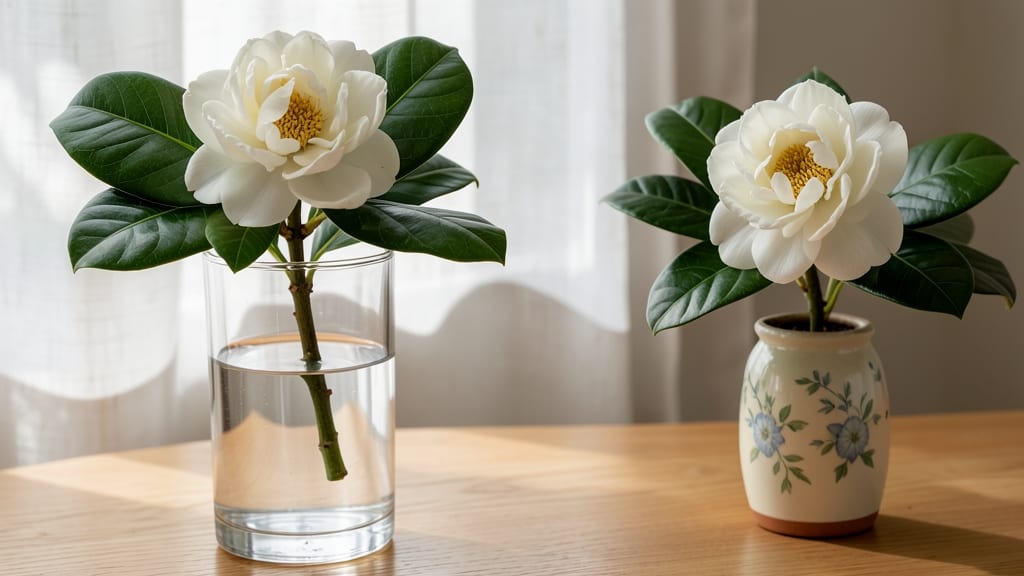
Gardenia vase life ranges from 3 to 5 days when properly cared for, but with ideal conditions—like fresh water, diagonal stem cuts, and regular water changes—you can push it to 7 to 10 days. These steps slow moisture loss and prevent bacterial buildup, keeping your blooms vibrant longer.
Gardenias are famously finicky because their thick, waxy petals and ethylene-sensitive nature make them prone to wilting faster than roses or lilies.
Unlike orchids, which thrive in humidity, gardenias actually prefer moderate air circulation to prevent mold. 🌸 The key to extending their vase life lies in mimicking their natural environment—cool temperatures (around 65°F), indirect light, and avoiding direct airflow from vents or fans.
Even a slight temperature swing can accelerate petal drop, so consistency is everything.
Once you’ve got the basics down, small tweaks make a big difference. For example, adding a splash of white vinegar to the water (1 part vinegar to 4 parts water) lowers the pH, which gardenias prefer.
A pinch of sugar (1 teaspoon per quart) provides quick energy, while a drop of bleach (1/8 teaspoon) keeps bacteria at bay. I’ve seen gardenias last nearly twice as long when I combine these tricks with daily trimming of faded blooms to redirect the plant’s energy to fresh flowers.
💡 In This Article
- Why Gardenia Flowers Wilt Faster Than Other Blooms
- Step-by-Step Guide to Extending Gardenia Vase Life
Why gardenia flowers wilt faster than other blooms
Gardenia flowers have a natural defense mechanism that works against them in vase arrangements: their thick, waxy petals. This protective layer prevents water absorption through the petals, forcing the flower to rely entirely on the stem for hydration.
Unlike roses or lilies, which can absorb moisture through their petal surfaces, gardenias depend on a steady water supply through their stems—making them far more sensitive to dehydration. 🌸
The waxy coating also creates a barrier that traps ethylene gas, a natural plant hormone that accelerates aging. Gardenias produce ethylene at a higher rate than many other flowers, and their waxy petals don't allow it to dissipate easily.
Compare this to orchids, which have porous petals that release ethylene more efficiently, allowing them to last longer in similar conditions. Temperature swings further amplify this issue—gardenia petals can drop within hours if exposed to sudden heat or cold drafts.
Humidity plays a paradoxical role with gardenias. While they thrive in humid environments when growing on the plant, excessive moisture in a vase can promote bacterial growth in the water, clogging stems and blocking hydration.
Ideal vase humidity should mimic their natural tropical habitat—around 40-50%—but not so high that it encourages mold. This explains why gardenias often wilt faster in bathrooms (high humidity) or near air vents (low humidity and airflow disruption).
Light exposure creates another challenge. Gardenias prefer bright, indirect light to maintain their vibrant color, but direct sunlight causes their waxy petals to overheat and lose moisture rapidly. 💛 In contrast, roses can handle more direct light because their petals are less sensitive to heat.
The optimal vase placement is near a north or east-facing window where they receive gentle morning light without the intense afternoon rays that accelerate wilting.
Even the way gardenias store nutrients differs from other flowers. Their stems contain less natural preservative compounds than roses or lilies, which means they deplete their internal water reserves faster.
This is why you'll often see gardenias drooping by day 3 even with proper water changes—it's not just about hydration, but also about their biological makeup. The combination of waxy petals, ethylene sensitivity, and limited internal reserves makes gardenias particularly demanding when it comes to vase care.
What most people overlook is the role of stem anatomy. Gardenias have a thicker, more fibrous stem structure compared to delicate flowers like tulips.
This makes them harder to recut properly—if you don't make a clean, diagonal cut at a 45-degree angle (about 1-2 inches from the base), you risk sealing the stem's vascular bundles, preventing water uptake entirely. This anatomical quirk explains why even "properly cut" gardenias sometimes fail to thrive in vases.